Palmes Up
Palmes Up
For Nikolaj Hansson of Palmes Tennis Society, the Converse Jack Purcell is personal.
For Nikolaj Hansson of Palmes Tennis Society, the Converse Jack Purcell is personal.
By Tim NewcombSeptember 8, 2026
Palmes Up
For Nikolaj Hansson of Palmes Tennis Society, the Converse Jack Purcell is personal.
By Tim NewcombSeptember 8, 2026
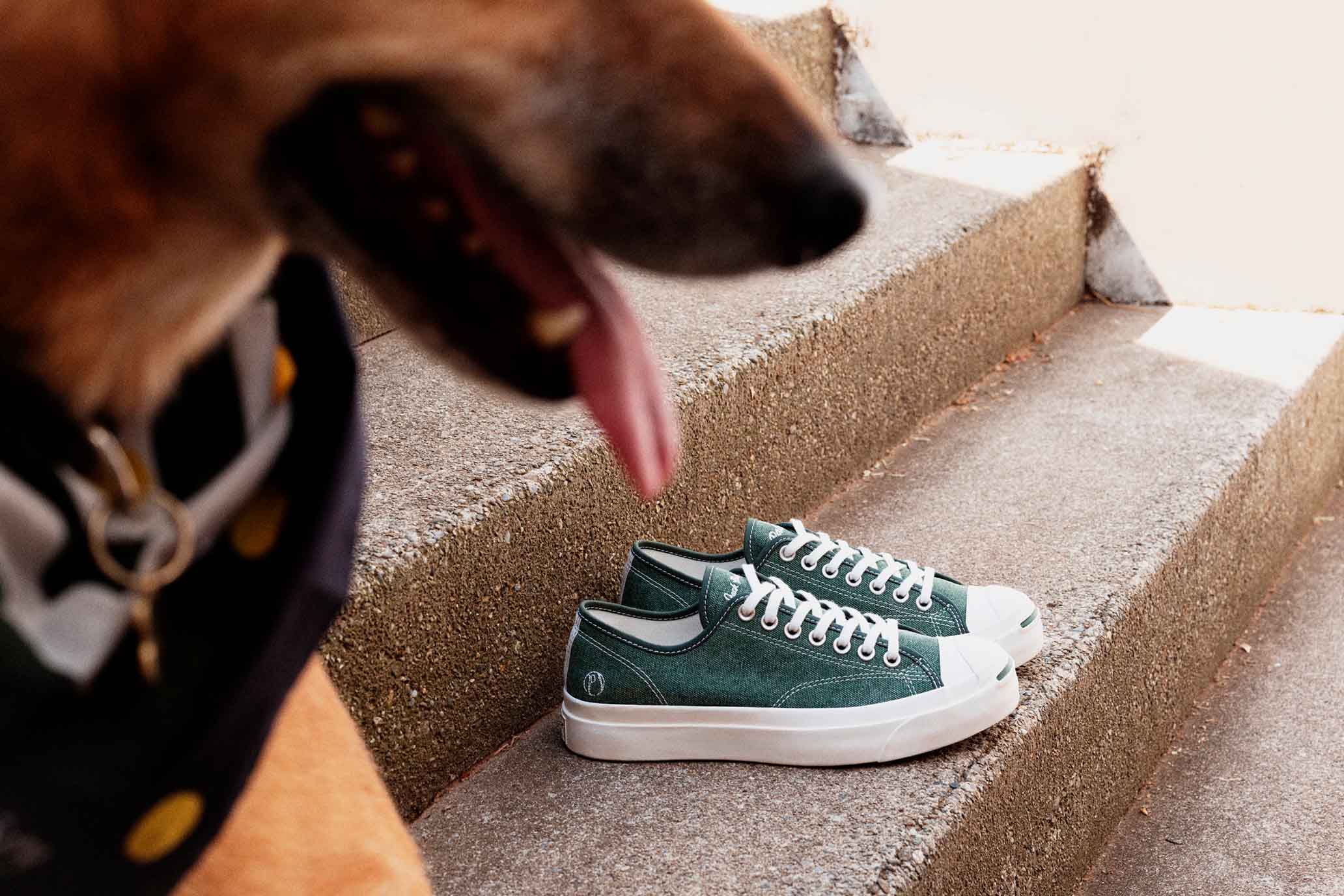
All photography courtesy of Converse and Palmes.
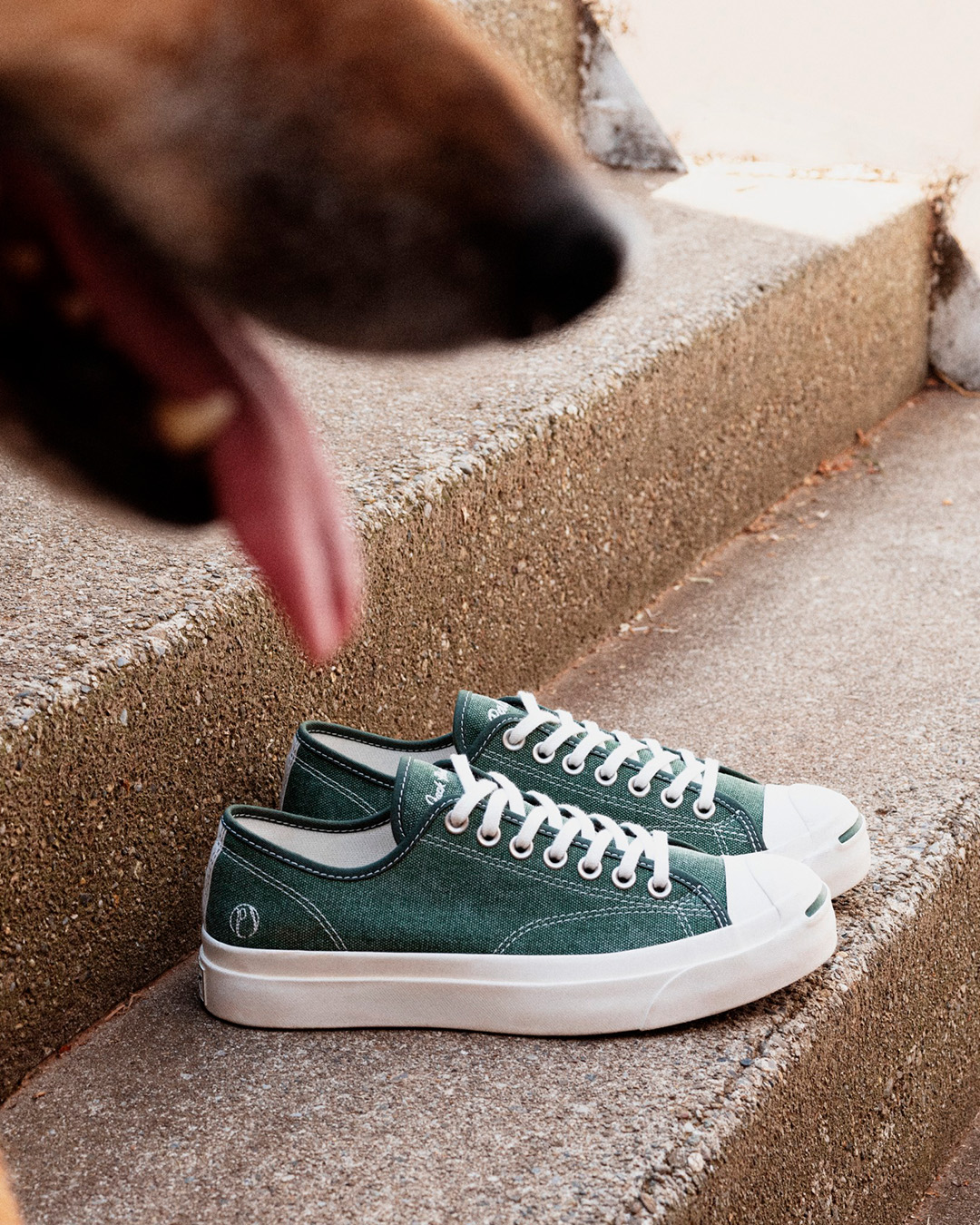
All photography courtesy of Converse and Palmes.

For someone who skated in the Jack Purcell as a teenager, Nikolaj Hansson gravitated toward the shoe because it didn’t fit skating with its “elegance, its subtlety, its longstanding history in racquet sports.” Still, it worked, he tells The Second Serve: “I find very few shoes can feel equally at home at the tennis club and in the skate park, worn with worn-out jeans and a washed-out tee, or with a linen suit and polo shirt.”
Hansson, the founder of the Copenhagen-based sportswear brand Palmes, partnered with Converse on the brand’s latest rollout of the new-look Jack Purcell, this time with a Jack Purcell PDM x Palmes in two distinct designs, both embracing a duality of function that distinguishes the original tennis-adjacent signature sneaker.
Converse owns the rights to the famed silhouette featuring a curved “smile” across the toe box, releasing varying versions off and on over decades. But 2026 marks a major turning point, Converse having emptied the brand’s shelves of the model before remaking and relaunching the shoe in a Jack Purcell First String treatment, the brand’s premier level of design and materials reserved for the Chuck Taylor.
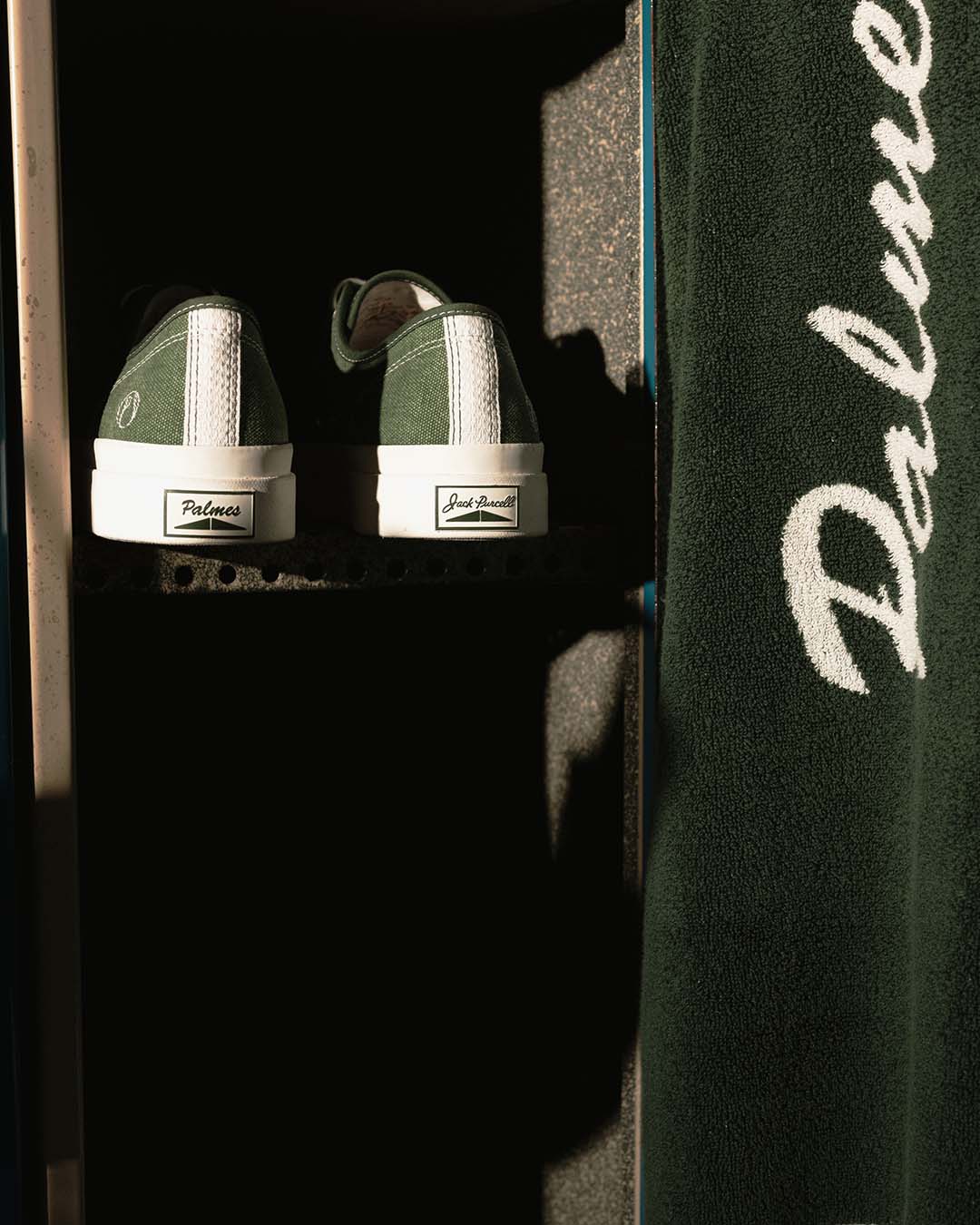
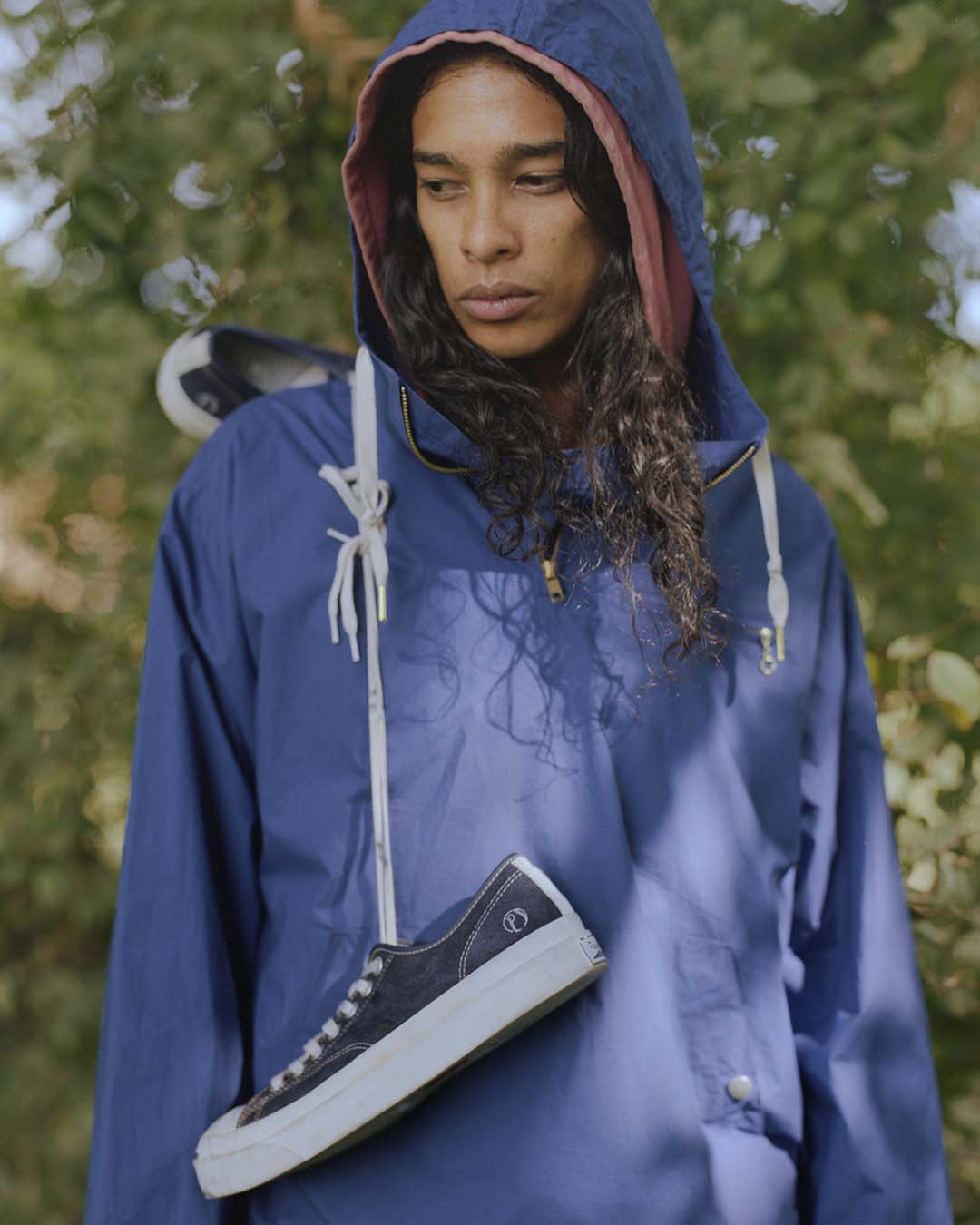
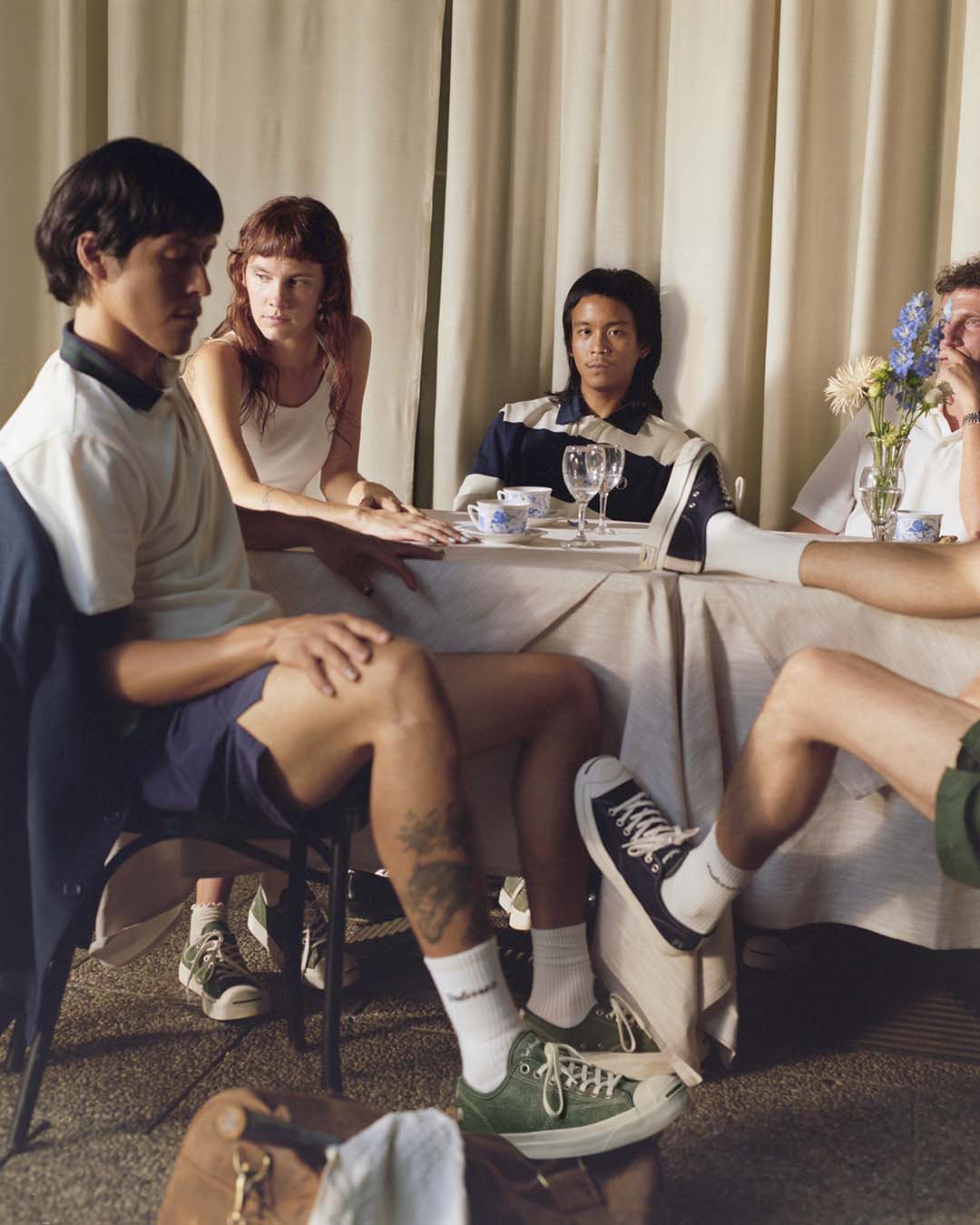
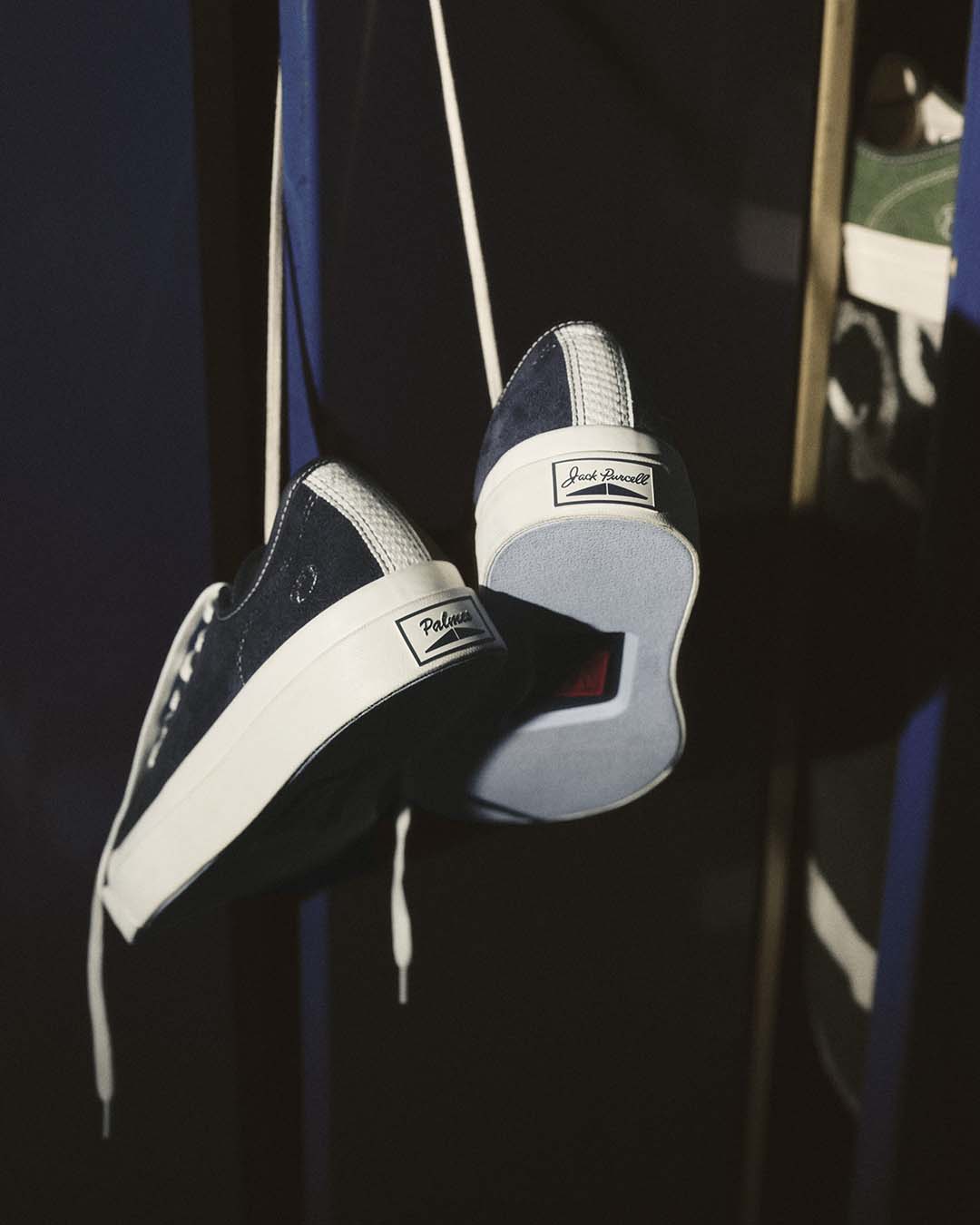
Now comes the second release in the reimagined silhouette, the Palmes partnership, launching today (Sept. 8), with the Jack Purcell PDM (podium) in the Palmes-designed Parisian Night and Mountain View colorways.
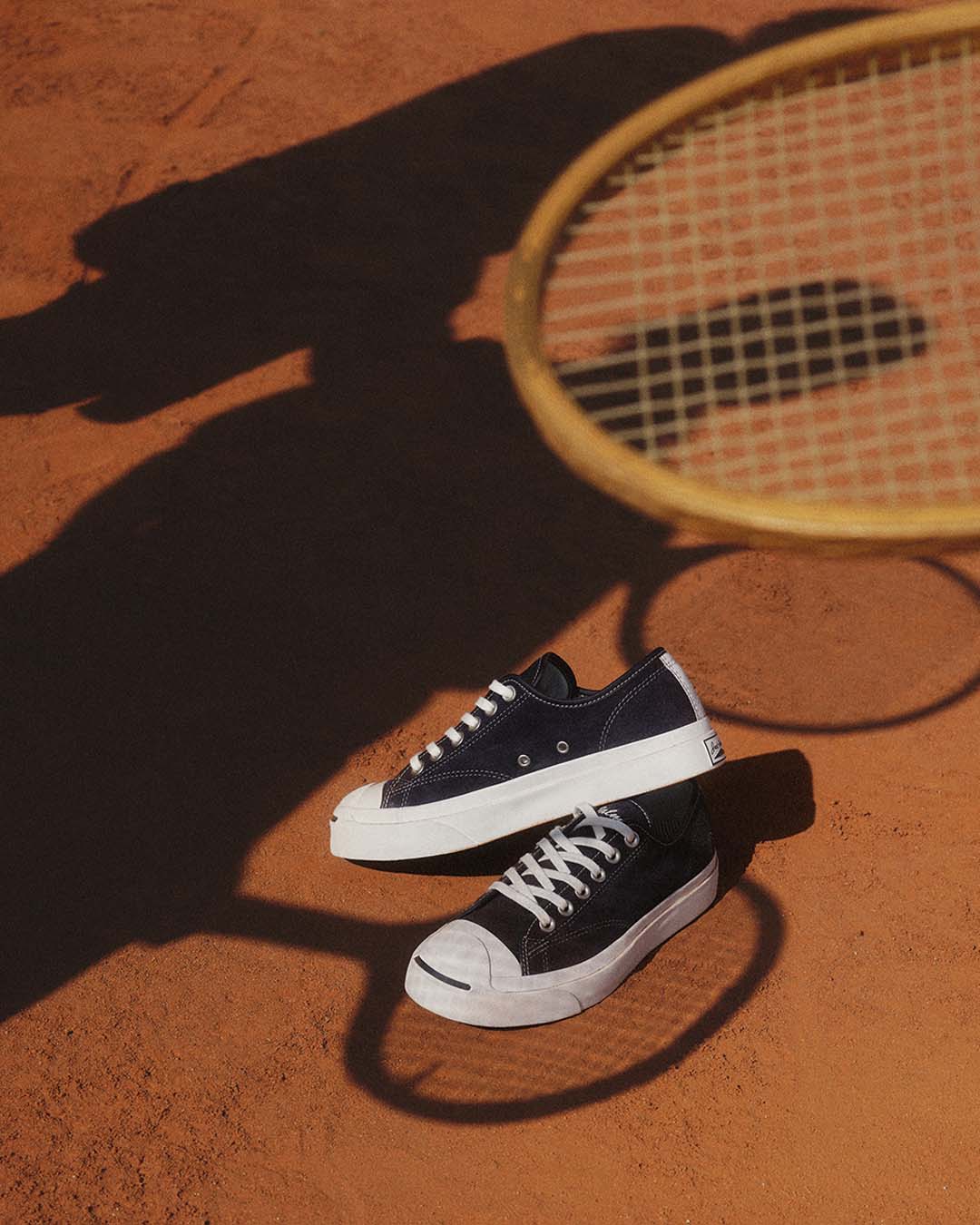
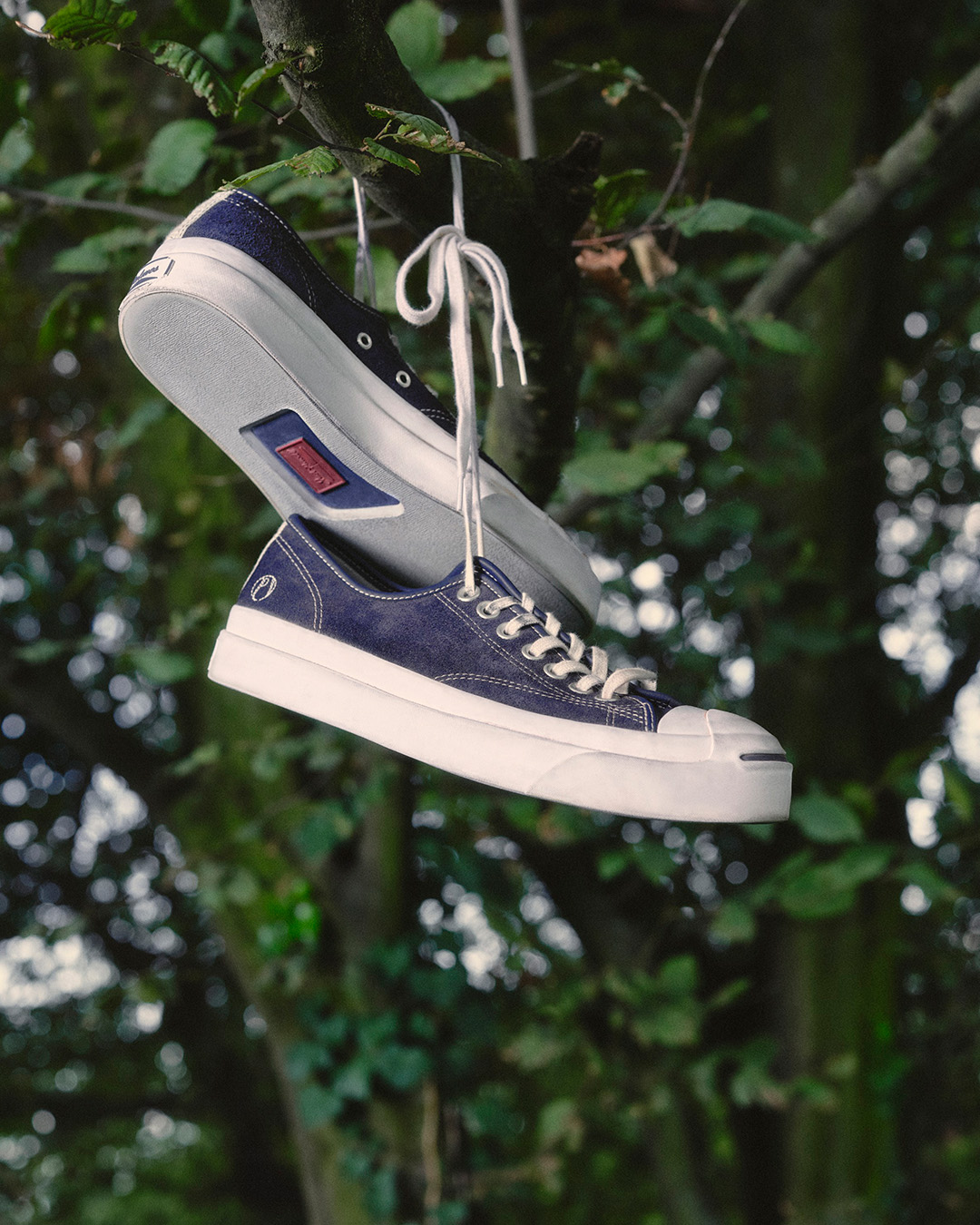
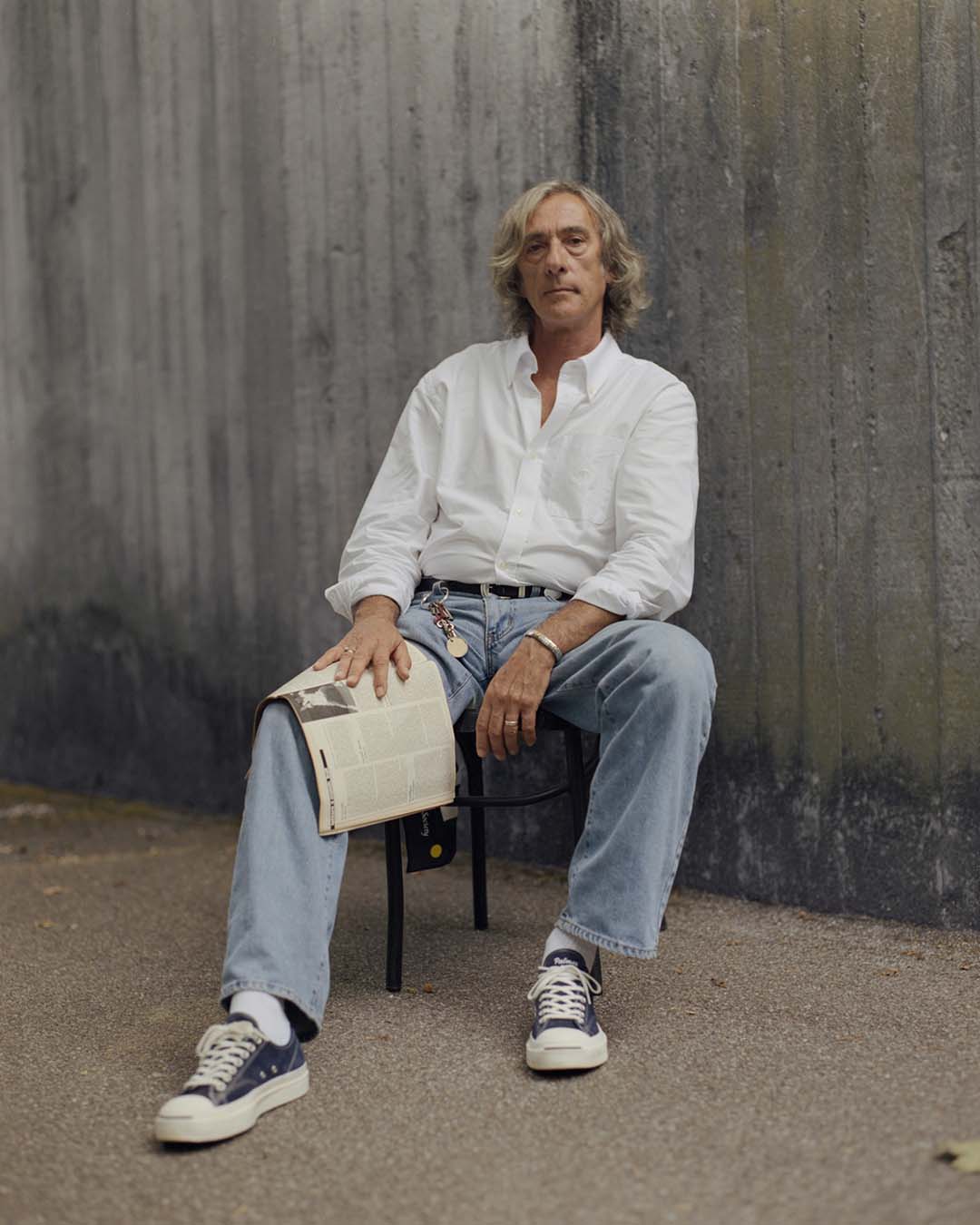
Hansson says both color treatments improve the more they’re worn. The blue-based Parisian Night edition features suede, meant to soften and wear over time. Contrast stitching highlights the navy, and the leather collar edge accents the material. Hansson opted for a coarse off-white canvas heel webbing to reference a 1930s pair from the brand’s archives, with a light blue and red outsole taken directly from the shoe’s history. The famed smile on the toe box features blue.
“I like how the navy suede feels elegant while changing in its surface over time,” Hansson says. “I’ve worn mine for weeks now and find that they become better with every scuff and scrape, adding small signs of life to the suede, which makes them more and more mine after each wear.”
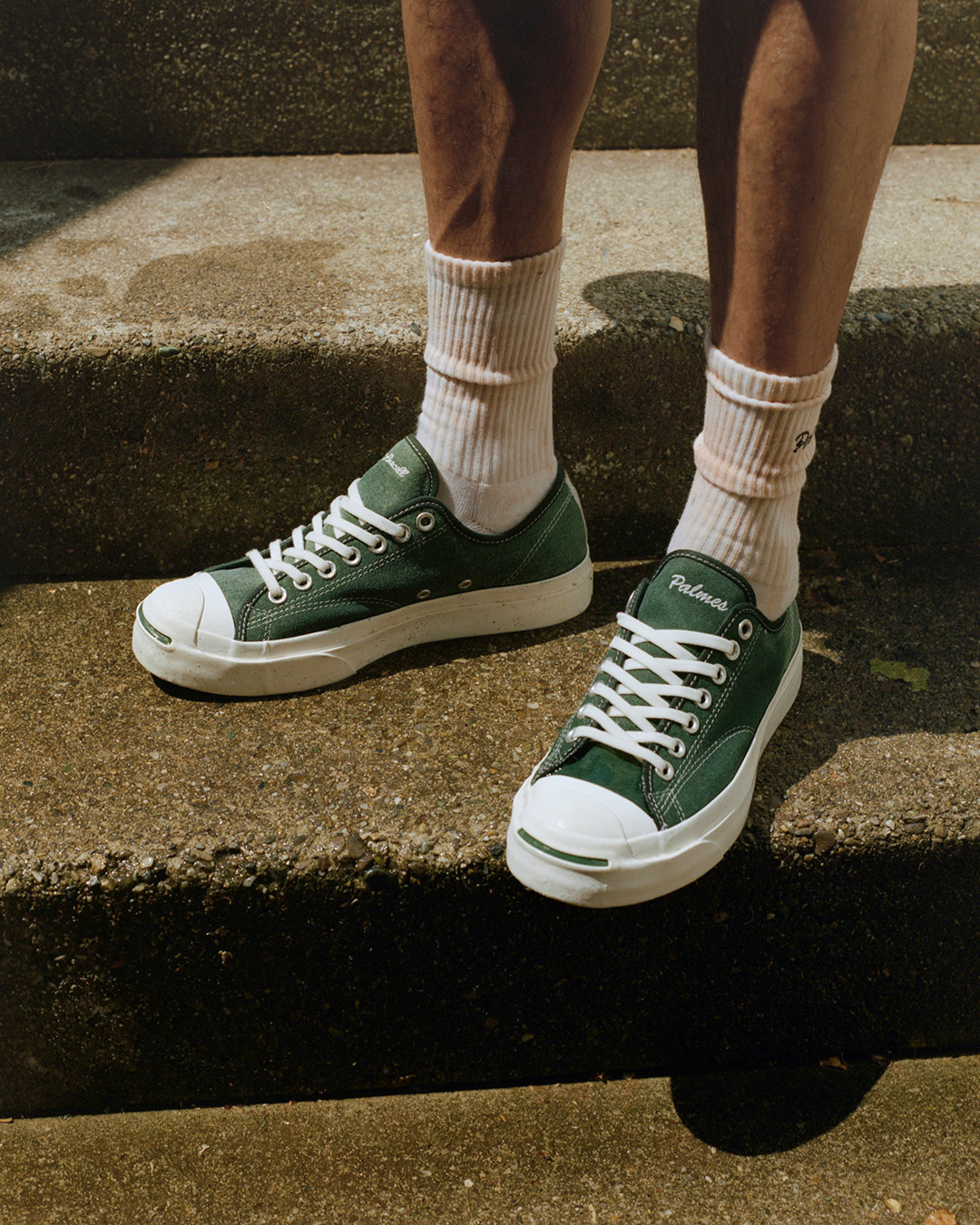
The Mountain View model opts for both a different color perspective and a meaningful material choice. Using faded canvas, the green represents Hansson’s Palmes design and comes dyed to feel pre-worn. Additional Palmes touches include the brand’s abstract tennis ball mark with a subtle “P” on the heel in a vintage-looking chain-stitch embroidery and the Palmes name appearing on the license plate wedge.
Hansson loves things that feel lived-in, and he wanted the duck canvas of the Mountain View to have that sense of “lived-in-ness from the first time you wear them. They look like something I’d wear as a kid on endless summers, the sun fading out the green hues of the canvas with every passing day.”
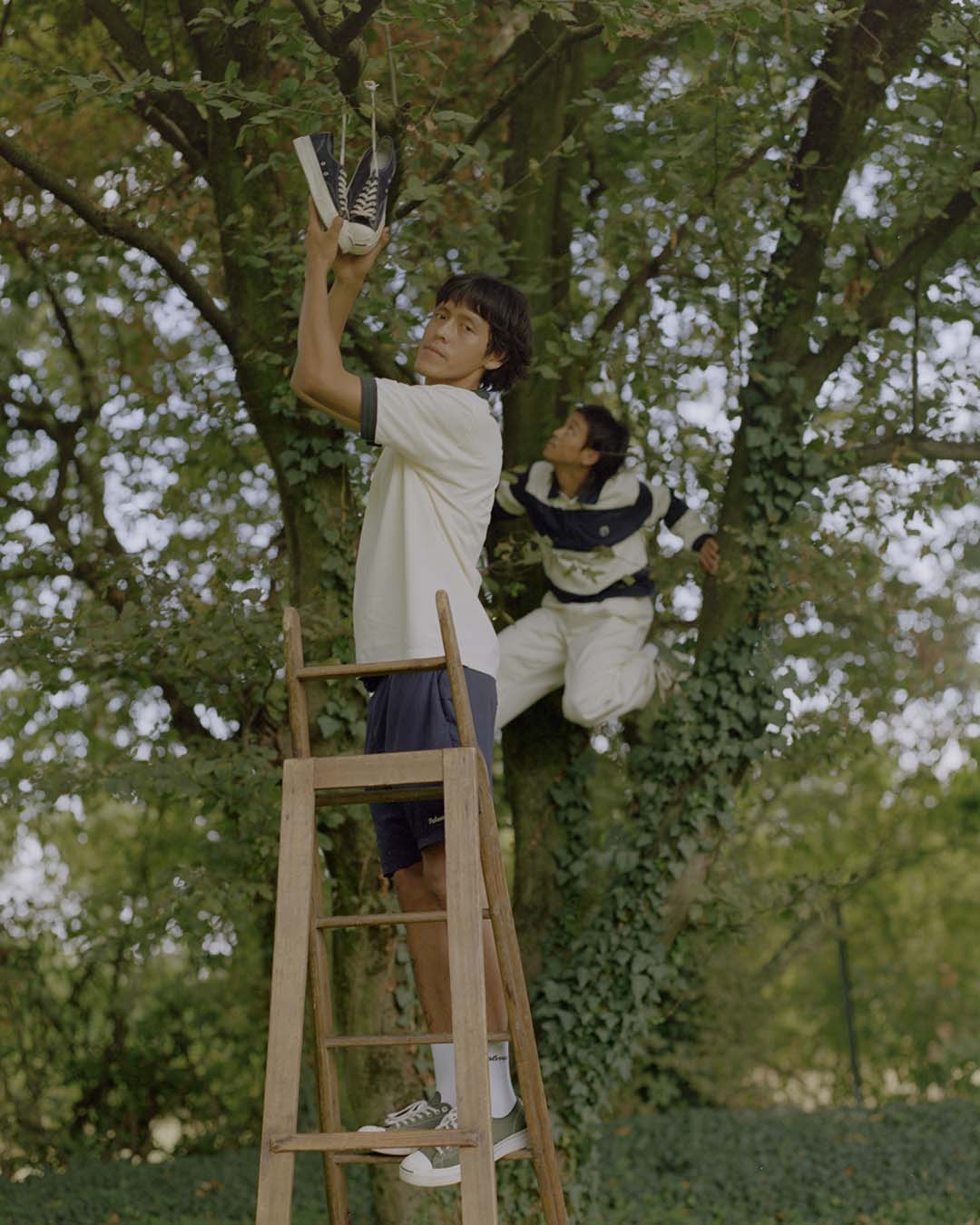
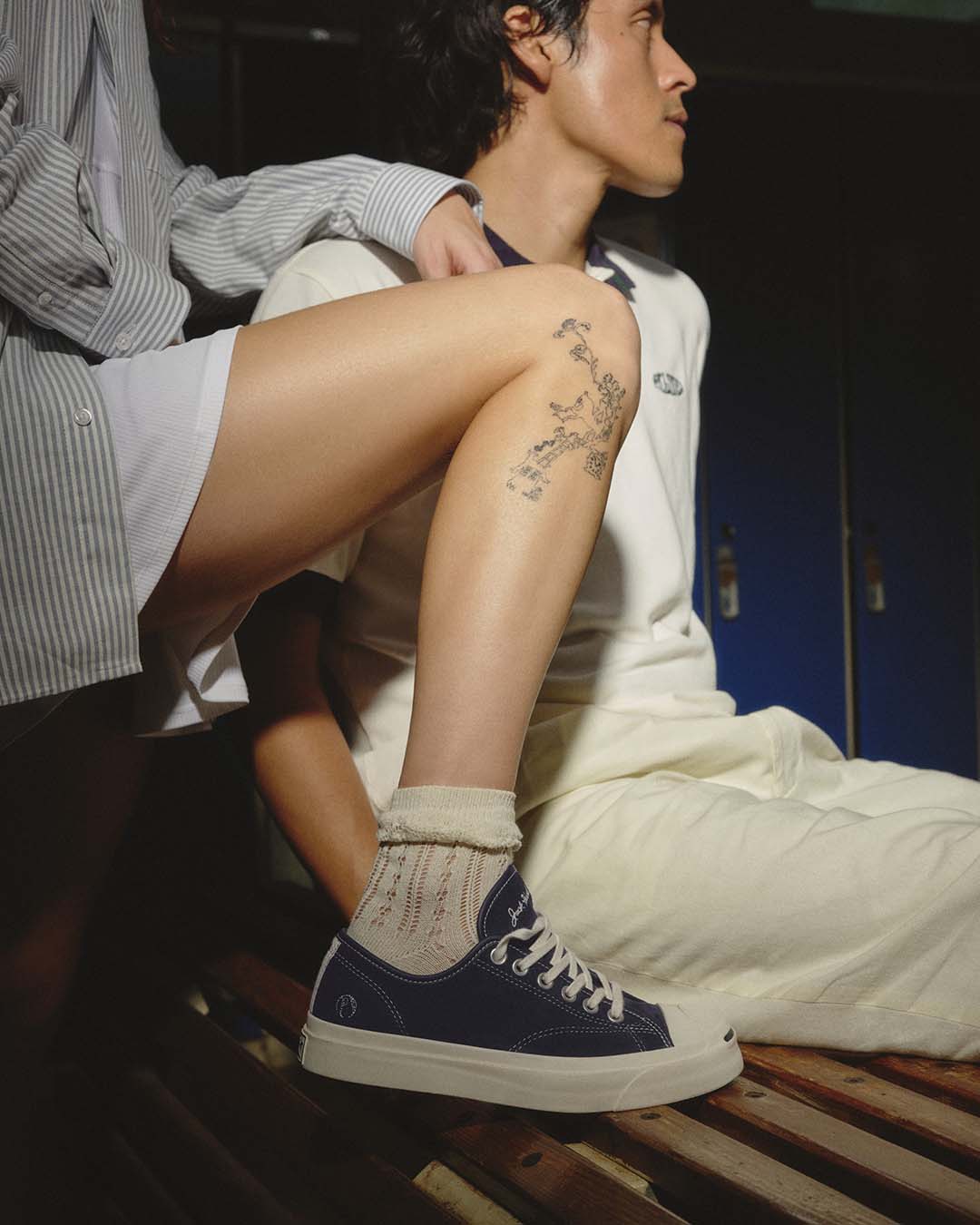

The Palmes tie to tennis started when the brand formed in 2021. The name comes from jeu de paume, a 15th-century French antecedent to tennis. Hansson built the sportswear brand based on his connections to both skate and tennis, founding Palmes to infuse individuality in a sport focused on either prep or performance. He believes the Jack Purcell fits this mold, having always lived a double life, both in the clubhouse and at the skate park.
“Palmes came from an idea of showing how there is not an ultimate truth to what tennis is as a sport and culture, and I wanted to show the different personalities of the Jack Purcell here as well,” Hansson says. “I love the shoe’s simplicity and quiet elegance. I didn’t want to add too much to it. It was more about making a quiet noise. I like things that have a sense of permanence to them and wanted to use suede and canvas to communicate this.”
Originally created as a signature badminton shoe in 1935 by Canadian world champion Jack Purcell and the B.F. Goodrich Company of Canada, the model was soon usurped by tennis players as it captured key market share through the 1960s as a performance tennis shoe. Converse bought the rights to the shoe in 1972 and reissued it multiple times over the decades.
The complete rethinking of the model started with the First String and moved to the PDM (there’s more coming), using versions from the 1970s and ’80s as the muse. With that we get a new signature smile built into the toe cap—Purcell’s nickname was “the smiler,” so that was his personal touch from 1935 onward—more in line from the early 1980s. Other pieces taken from the past include a higher collar, a wider heel stay with updated stitching details, sunken vent eyelets, the design of the license plate on the heel, and additional stitching patterns. New for the premium experience is a fresh last to accommodate a wider foot, a Vibram outsole, premium leather uppers, and Nike foams and air technology for comfort.
If nothing else, the smile defines a Jack Purcell. When Purcell worked with the rubber company to craft the shoe in the 1930s, he personally created the rubber toe cap to add durability during drag. Purcell highlighted his nickname by embedding a smile within the toe’s rubber.
“I was a kid, skating in the Jack Purcell, dreaming of one day having my own skate shoe,” Hansson says. “Now I have a tennis-inspired clothing brand with its name on the Jack Purcell. It feels very surreal and humbling.”
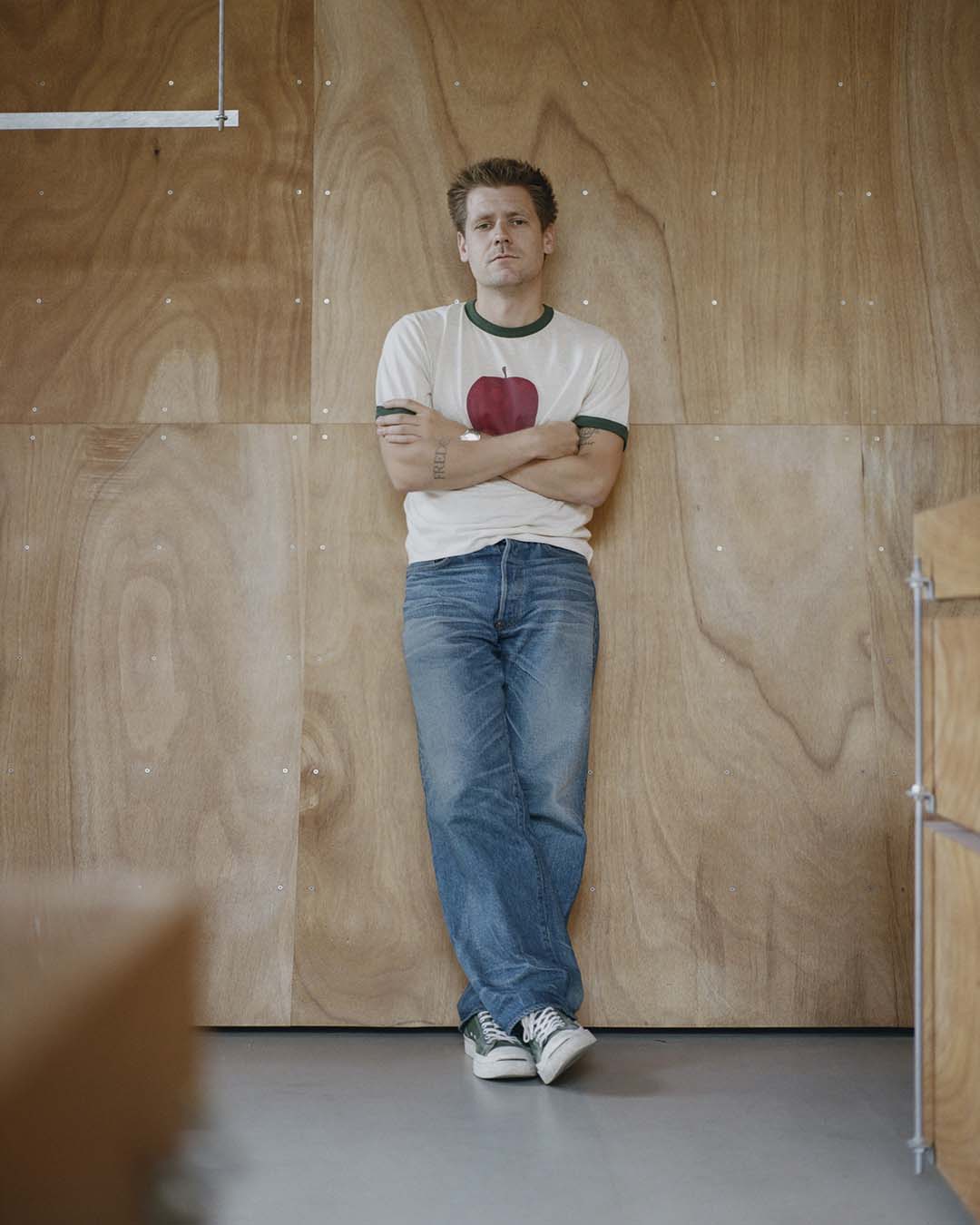
Palmes founder Nikolaj Hansson.
Palmes founder Nikolaj Hansson.