Charming Tennis
Charming Tennis
Maja Chwalinska backs it up.
Maja Chwalinska backs it up.
By Giri NathanOctober 23, 2026
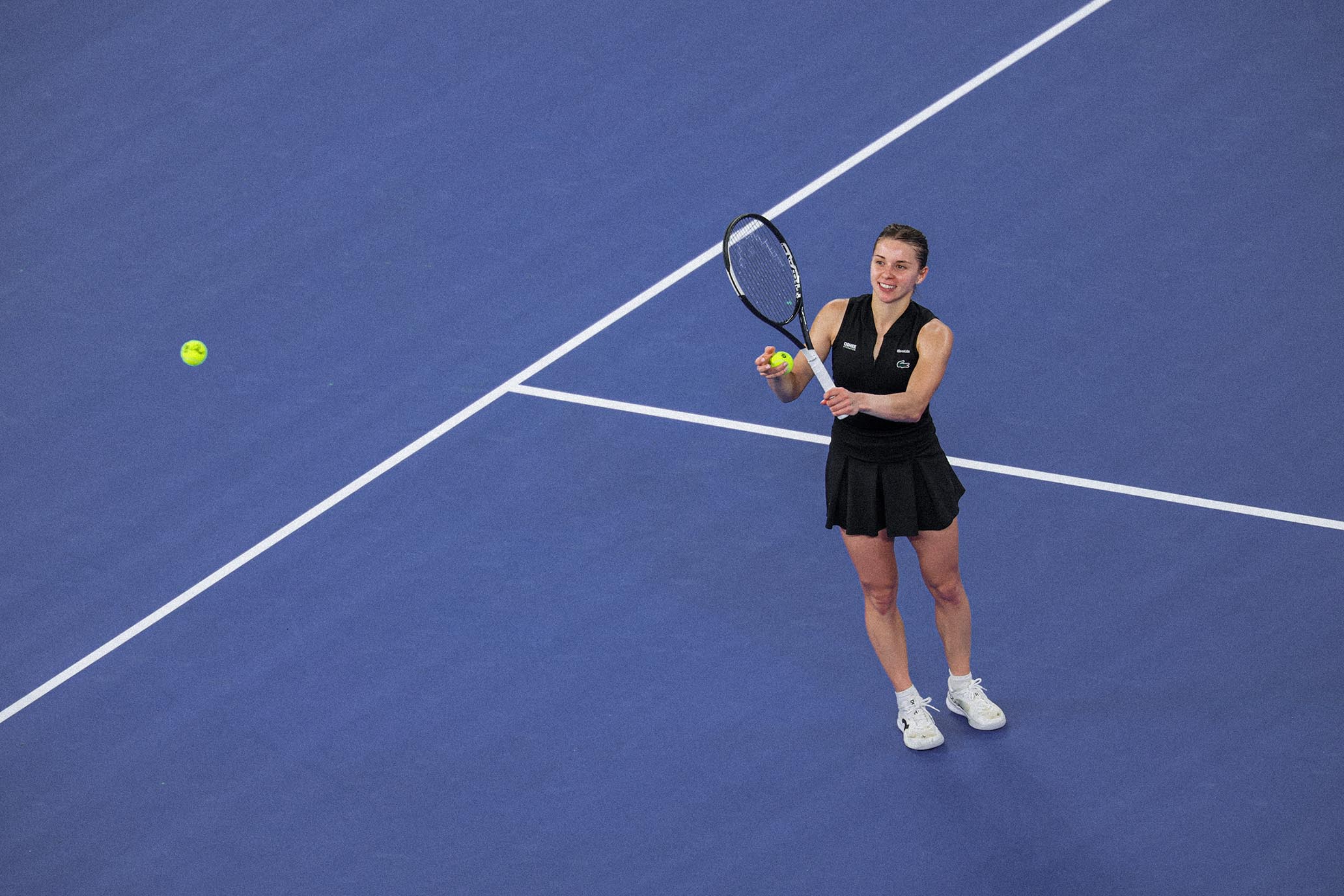
Maja Chwalinksa is not a clay court specialist. // GETTY
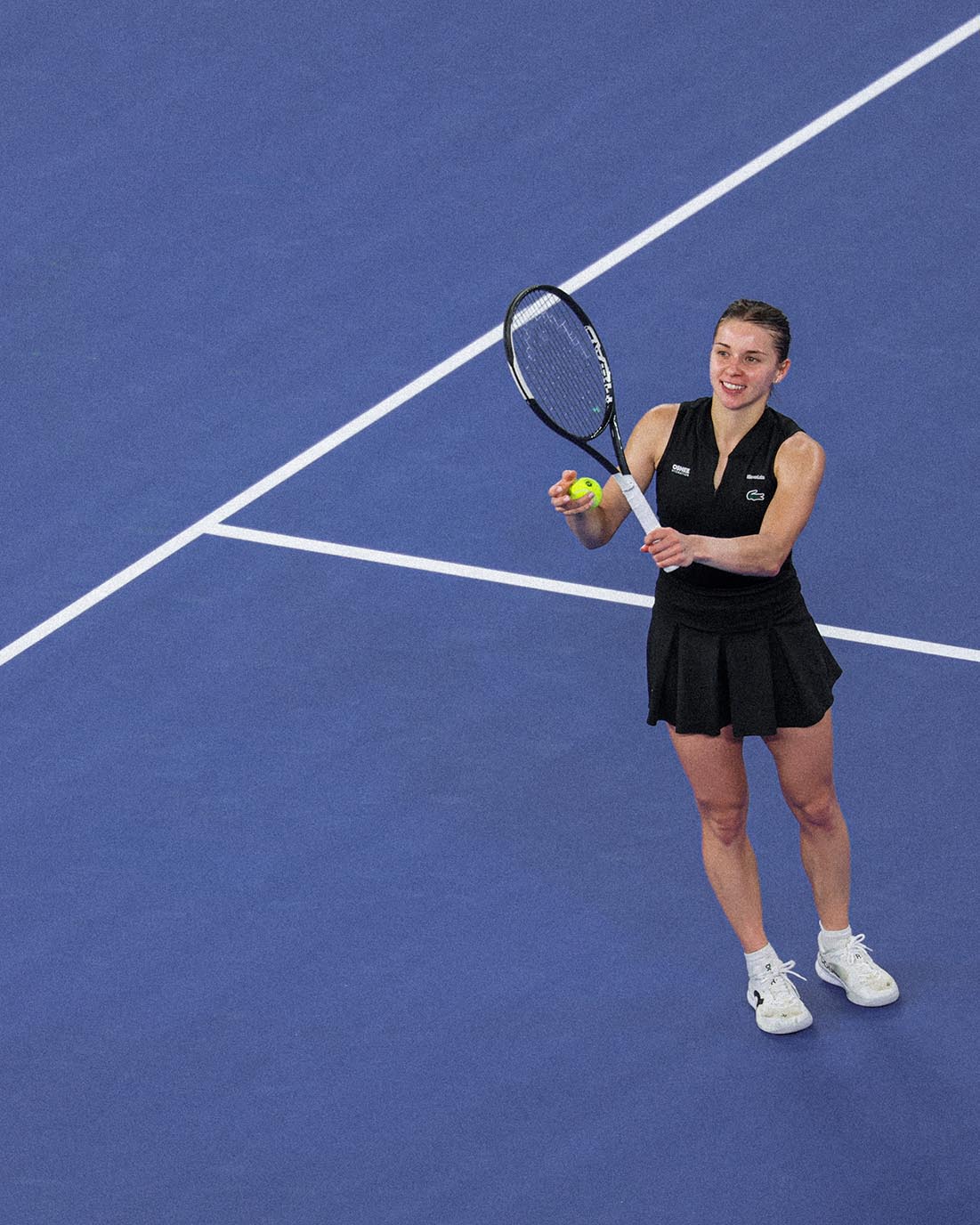
Maja Chwalinksa is not a clay court specialist. // GETTY. // Getty
Gun to your head: Name the runner-up in women’s singles at Roland-Garros this year. Wow! Congrats. Despite a direct physical threat, you summoned a memory of the moonballing gameplay of Polish qualifier Maja Chwalinska. I’m impressed by your calm in this moment of panic. You should be proud of yourself—now you’re batting away the gun to inform me that she was ranked No. 114 heading into the tournament, and that she had played only two Grand Slam main draws before that one? And, even more shocking still, she had played only three total tour-level matches since the start of 2025 up to the start of Roland-Garros? This is all fascinating context. I’m very sorry. Let’s put away the weapons and have a more constructive conversation. I have a lot to learn.
As thrilling as it was to see Maja Chwalinska upset four seeded players en route to the final in Paris, it also, even within the category of Cinderella runs, felt a bit fragile and fluky. Mostly because Chwalinska had no previous track record of even competing against top 50 players, let alone beating a slew of them in a single fortnight. But also because of the way she was winning those matches: with the deep guile of a diminutive lefty. These were hard-won points, built on her flawless anticipation of the opponent’s next shot, her unpredictable changes in depth and height, her choppy two-handed backhand drop shots, her drop-shot-lob combos, her moonballs, her defensive squash shots, and her willingness to expend lots and lots of effort chasing down the shots hit by much bigger hitters. This is a charming way to play tennis—maybe my favorite kind of tennis to watch these days—but, as I found myself thinking in June, perhaps it is also a brand of tennis that only wins on a clay court, when your opponents have no scouting report on you, and you’re ambushing everyone with junky style. Nothing about her performance, for all its brilliance, screamed “repeatable.”
Well, I was still eager to see if she could go out and repeat it. In a bizarre sign of her abrupt rise, Chwalinska needed a wild card to enter Wimbledon a few weeks later—and once she got in, she was the No. 20 seed. She was very close to acting the part and assembling a routine first-round win. She led 6–2, 5–2, holding a match point on return, only to twist her ankle. After losing that return game and failing to serve out the match, she took a medical time-out to get the ankle wrapped, but, with her movement severely compromised, she lost in three sets to qualifier Mananchaya Sawangkaew. Her grass major was as cursed as her clay major had been blessed. Then came the North American hard courts: only one win in five matches, while feeling “miserable” all the while, due to the increased pressure and attention on her, she later revealed.
Maybe she just needed some time to adjust to her new reality. Late September brought the first signs of life since Paris: a semifinal appearance in Singapore, on indoor hard courts, which are theoretically less friendly to her style of play than the clay where she made her name. But the real triumph was in Wuhan, where Chwalinska turned 25 years old and won her first-ever WTA title, at the 1000 level, no less. I could see how she adapted her style to the hard courts. Her game is still built on tenacity, variety, and rally tolerance—you’ll still see plenty of squash shots and lobs—but she also found ways to apply her own pressure. To wit: Even though she can’t hit a big ball like a Sabalenka or Rybakina, she can instead hug the baseline and take the ball on the rise, rushing opponents in her own style. If you don’t have power, it helps to have impeccable timing and ball control. And she seemed to get a little more comfortable finishing points as the tournament went on. The forehand gets surprisingly heavy when she wants to dial it up, the backhand flattens out nicely, and she has all of her old change-of-pace tricks to rely on when she needs them. Maybe she won’t be confined to clay after all. In Wuhan she routed Iva Jovic, another peer who wins without top-end pace, and she even defeated her countrywoman Iga Swiatek. I watched the six-time Slam champ try to blast through her compatriot’s defenses and fail, though she was clearly bothered by a left leg injury, too, and took the loss to her old friend graciously. A compelling three-set win over Sonay Kartal in the final ensured that the Roland-Garros final was no one-off feat. Chwalinska is now up to No. 11 in the world. As she said in an interview with the WTA in the aftermath of Wuhan: “I could hear the voices of others that I’m only good on clay, but I feel people sometimes are just trolls, and they just want to speak because no one listens to them.” That one shut me up.