An October Surprise
An October Surprise
Nobody told Vicky Mboko and Alex Eala they should be phoning it in.
Nobody told Vicky Mboko and Alex Eala they should be phoning it in.
By Giri NathanOctober 31, 2025
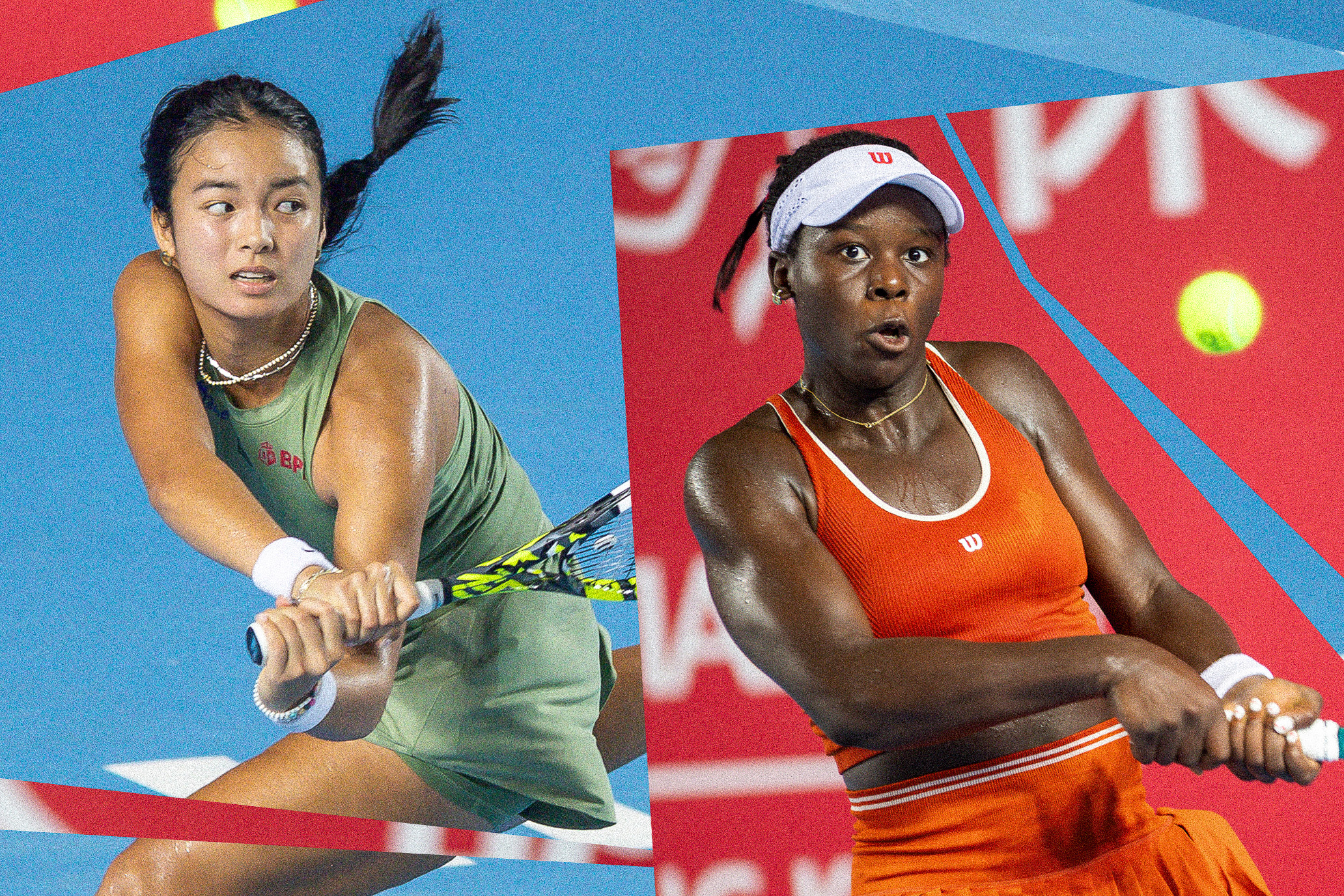
Vicky Mboko and Alex Eala during their corker in Hong Kong. // Getty
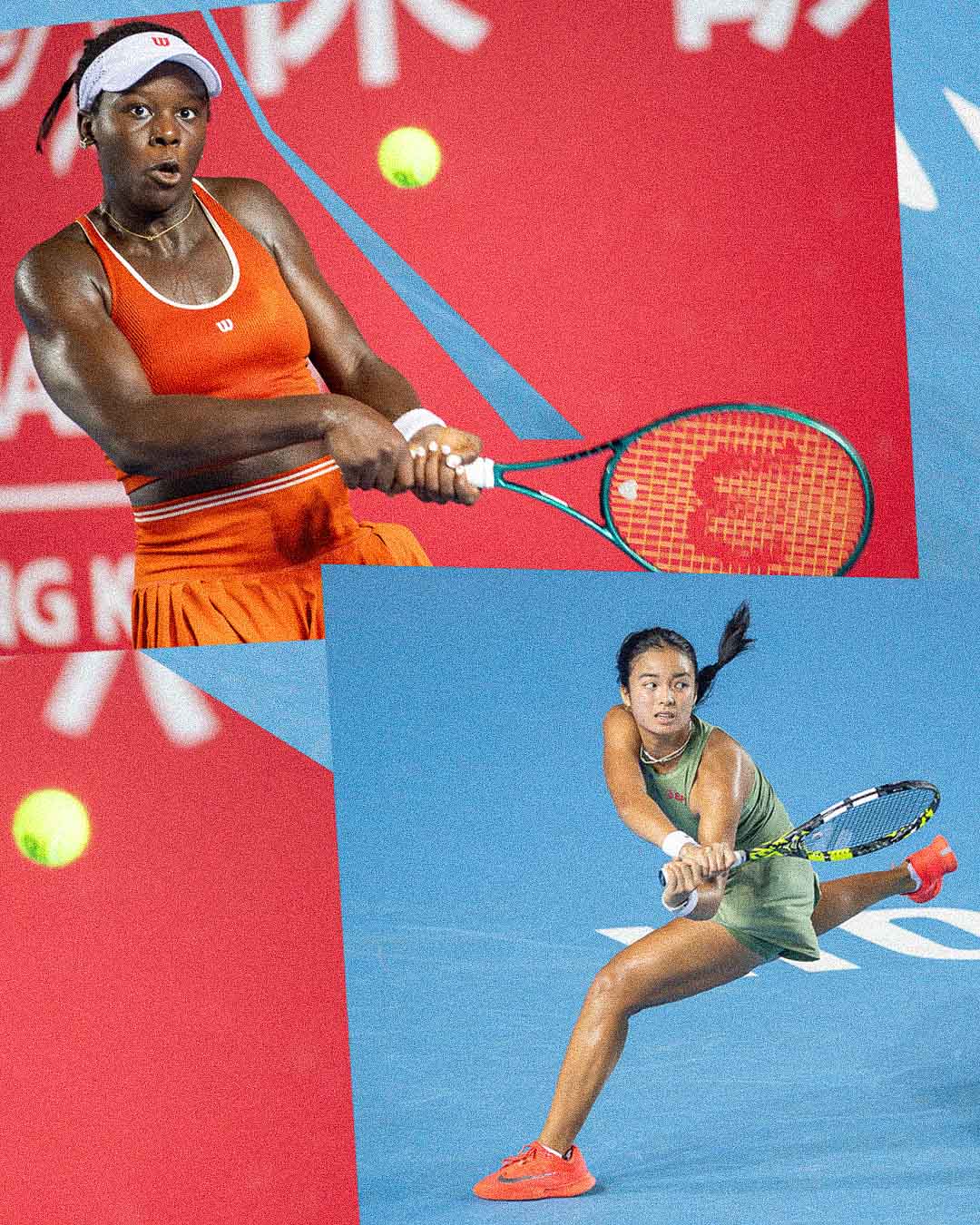
Vicky Mboko and Alex Eala during their corker in Hong Kong. // Getty
Just like many professional tennis players, I don’t care all that much about the end of season, but I do love a good narrative coda. Victoria Mboko and Alex Eala were two of the WTA’s youngest and most thrilling breakout players in 2025, and on Thursday they battled in Hong Kong for the right to prolong that season just a little longer. Although Mboko, 19, and Eala, 20, are longtime friends who “get bubble tea together,” as the eventual victor explained after the match, they had never played each other at the pro level. At least they started this potential rivalry with a genuine classic.
Both players had similar triumphs this season, breaking out at 1000-level tournaments. They’d entered as wild cards with little experience and left them as known entities. Eala went first. In Miami, the then 19-year-old reached the semifinals by clearing three former Slam champs: Jelena Ostapenko, Madison Keys, and, notably, Iga Swiatek, who just two years prior had been the guest speaker at Eala’s graduation from the Rafa Nadal Academy. Most remarkable was the fact that the lefty Eala was beating all these players in spite of her rather vulnerable serve, all on the strength of her ground strokes, struck hard from right on top of the baseline. She nearly beat Jessica Pegula in the semifinals, too. That was the high point of the season—it’d be a high point of many careers—but Eala also went on to pick up a WTA 250 runner-up trophy in Eastbourne and a WTA 125 title in Guadalajara, and, at the US Open, she became the first player from the Philippines ever to win a main-draw match at the majors.
For Mboko, there had been some sparks beforehand. A three-setter in Rome against Coco Gauff raised many eyebrows, mine included. But it all came together all at once, in Montreal, in front of the Canadian home crowds. Like her friend, she also dismissed a horde of Slam champs: Sofia Kenin, Coco Gauff, Elena Rybakina, and Naomi Osaka. But unlike Eala, Mboko won the whole title, then just 18 years old. Her tennis was mysteriously well-rounded, blending power, counterpunching, and great hands, but I mainly remember this title as one of the most startling examples of mental fortitude I’d seen in a young player. So many comeback wins, and so many cases where she looked like the more poised one in the face of opponents years older and more accomplished. Incredibly, her Montreal win meant she’d be seeded at the upcoming US Open, despite starting the season outside the top 300. She seemed like a new fixture on tour. In reality, these things are always more complicated. She went on to lose four consecutive first-round matches after her title.
But by the time they met at the WTA 250 in Hong Kong on Thursday, Mboko had stabilized again. Heading into the match, she was ranked No. 21 to Eala’s No. 51. By the time they’d split sets, they looked dead even, and the rally level was getting a little absurd.
My working theory is that the most thrilling tennis matches involve future stars whose serves are still quite dubious. No service hold is taken for granted. And you have no idea what shot they might opt for next, because their ambitions sometimes outpace their present abilities. That roughly describes the back half of this match. There were five breaks of serve in the deciding set. First Eala moved ahead. Once her legs tired, she closed down the net to finish points and excelled there, seizing a 4–1 lead. The Hong Kong crowd thrummed for her. But Mboko, the comeback artist, won every remaining game in the match. Returning at 4–4, 40–30, she clocked a backhand return winner right off the baseline, and that was the last time her victory was ever in question. Mboko won, 3–6, 6–3, 6–4, and the two hugged, with unusual joy. It was a match fought with genuine energy and minimal cynicism between two players who did not seem to accept the notion that October was a time for coasting and burnout, and instead saw their entire careers unfurling ahead of them. Pretty decent recipe for tennis, as it turns out.

PURE, ORIGINAL TENNIS — SIGN UP!
RECOMMENDED
The Long Rally
The Hobby