That's a Wrap
That's a Wrap
Six Takeaways from the WTA Tour Finals
Six Takeaways from the WTA Tour Finals
By Joel DruckerPhotos by David BartholowNovember 15, 2026
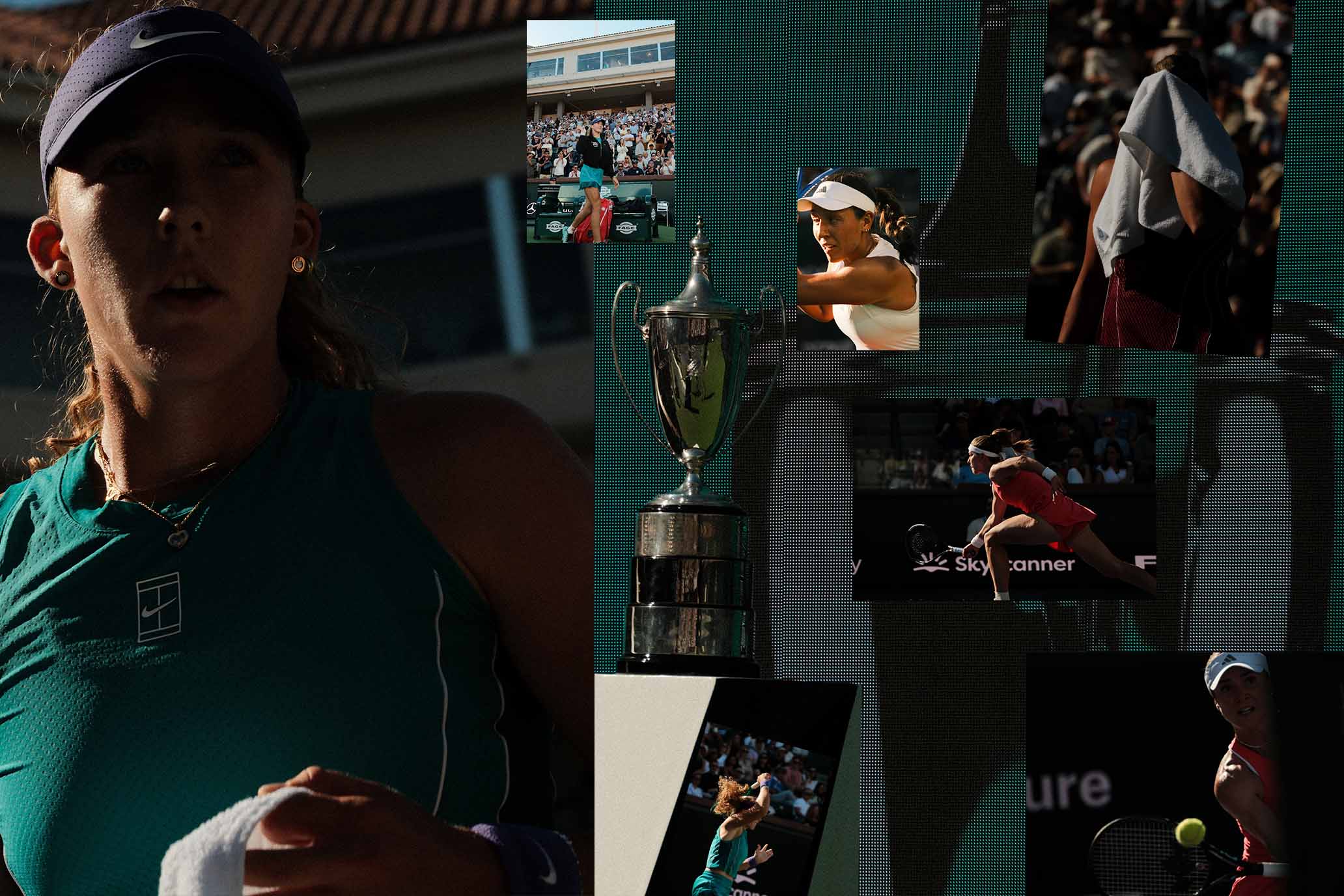
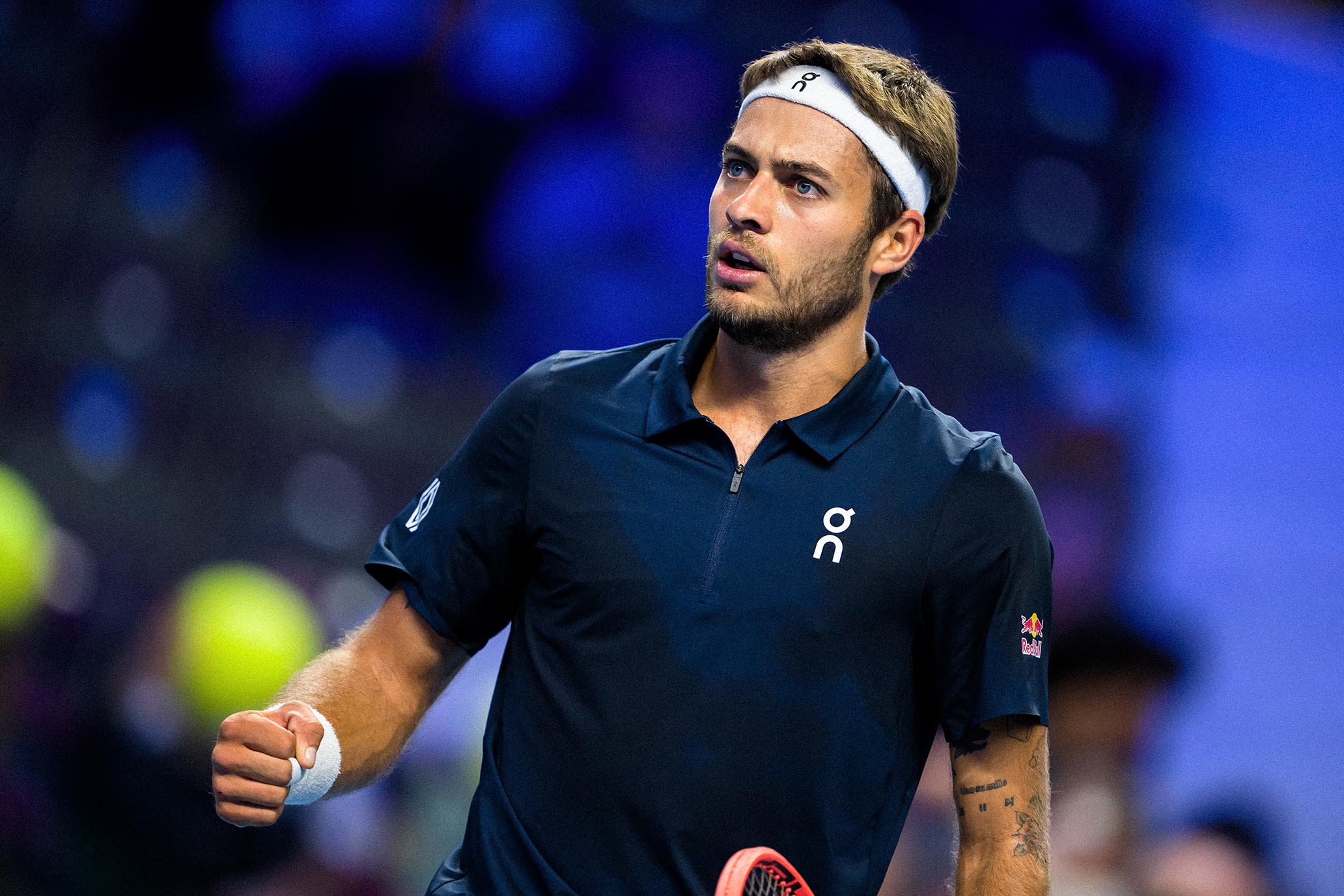
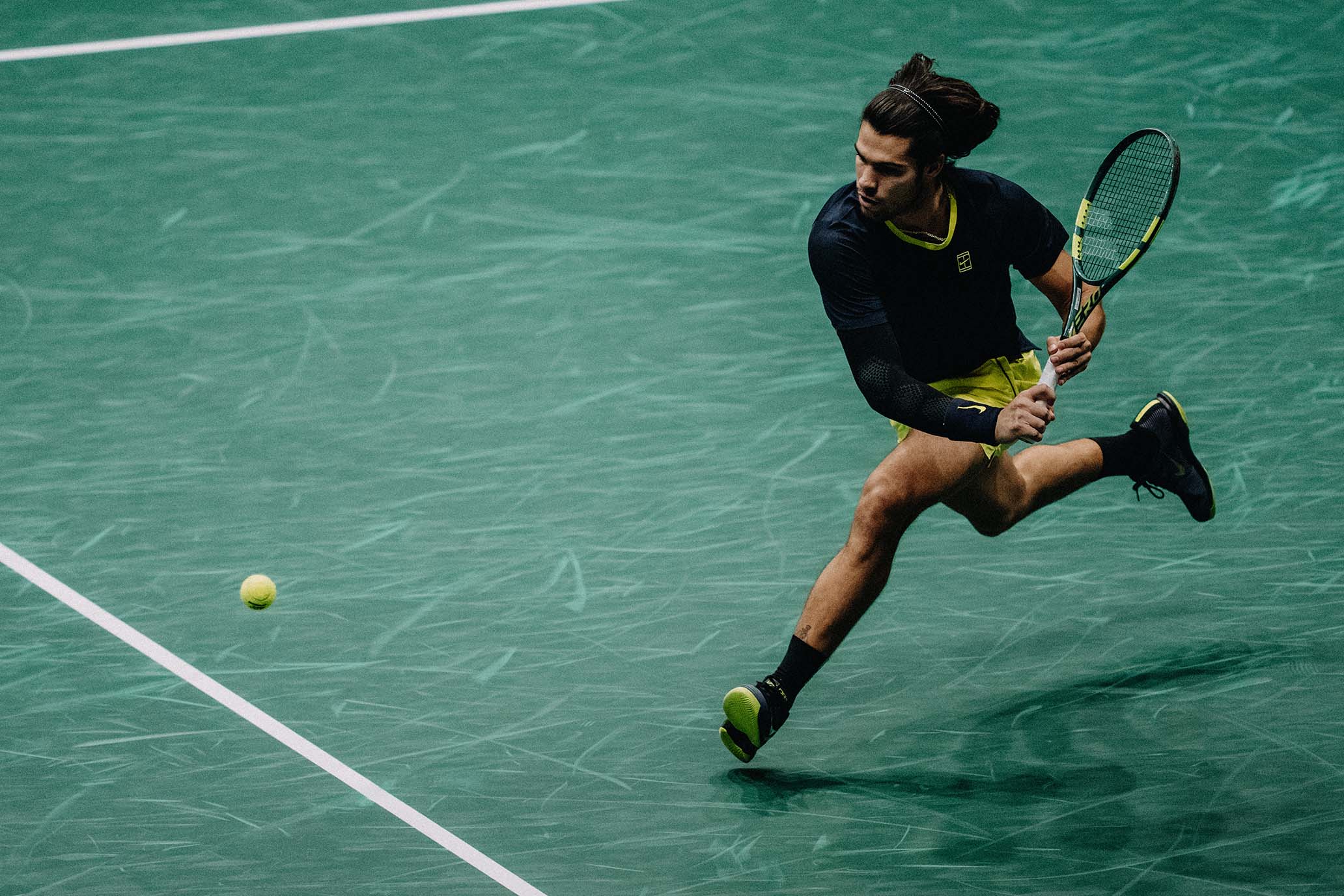
That's a wrap on 2026. / David Bartholow
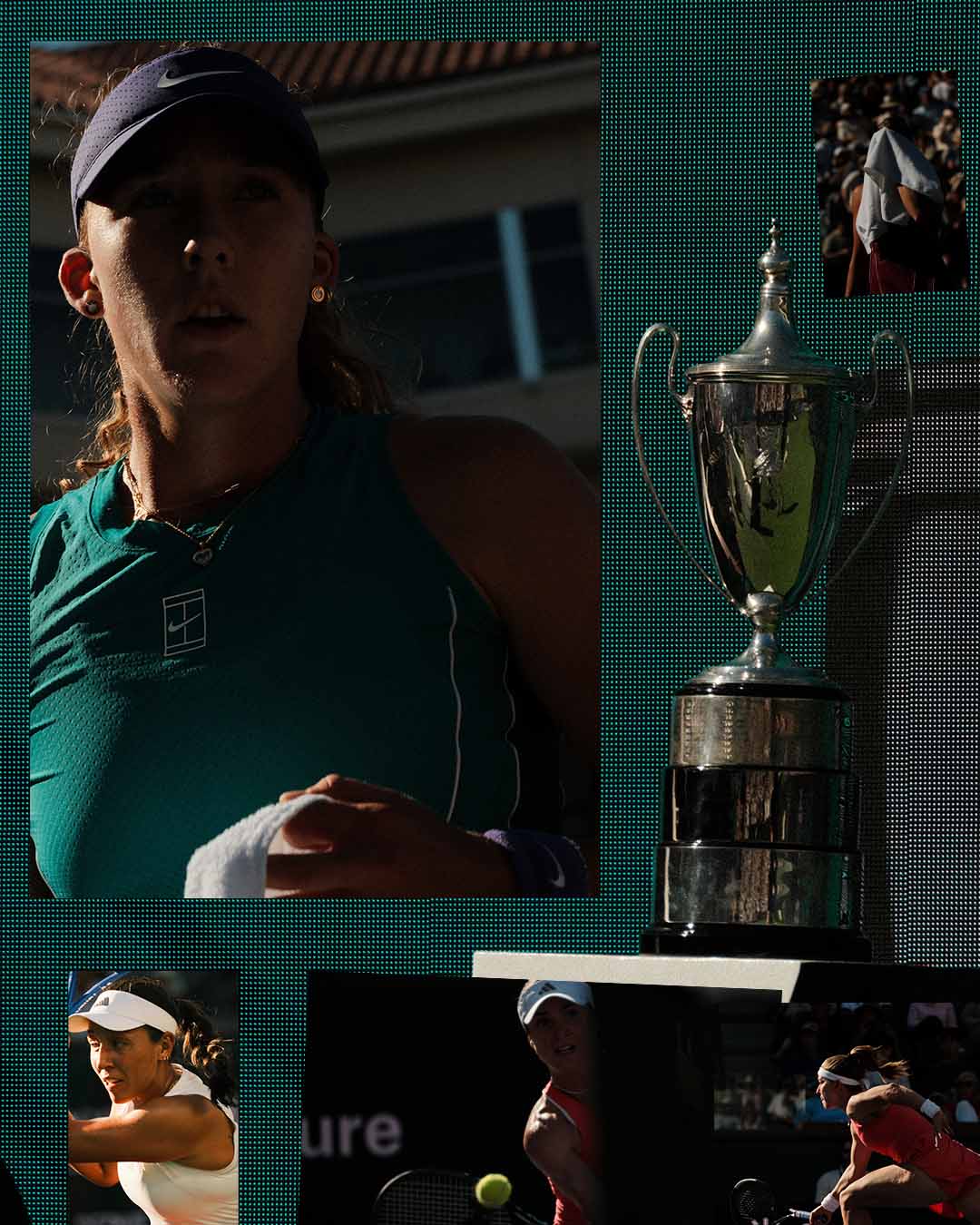
That's a wrap on 2026. / David Bartholow
Though theoretically intended as a year-ending Super Bowl—the big showdown—events such as the WTA Finals can also be viewed as an All-Star game and even a high-level scouting combine. Fresh off time on-site at last week’s FAGE WTA Finals held at the Indian Wells Tennis Garden, Joel Drucker looks back and forward.
Mirra Andreeva: Stylistic Game Changer?
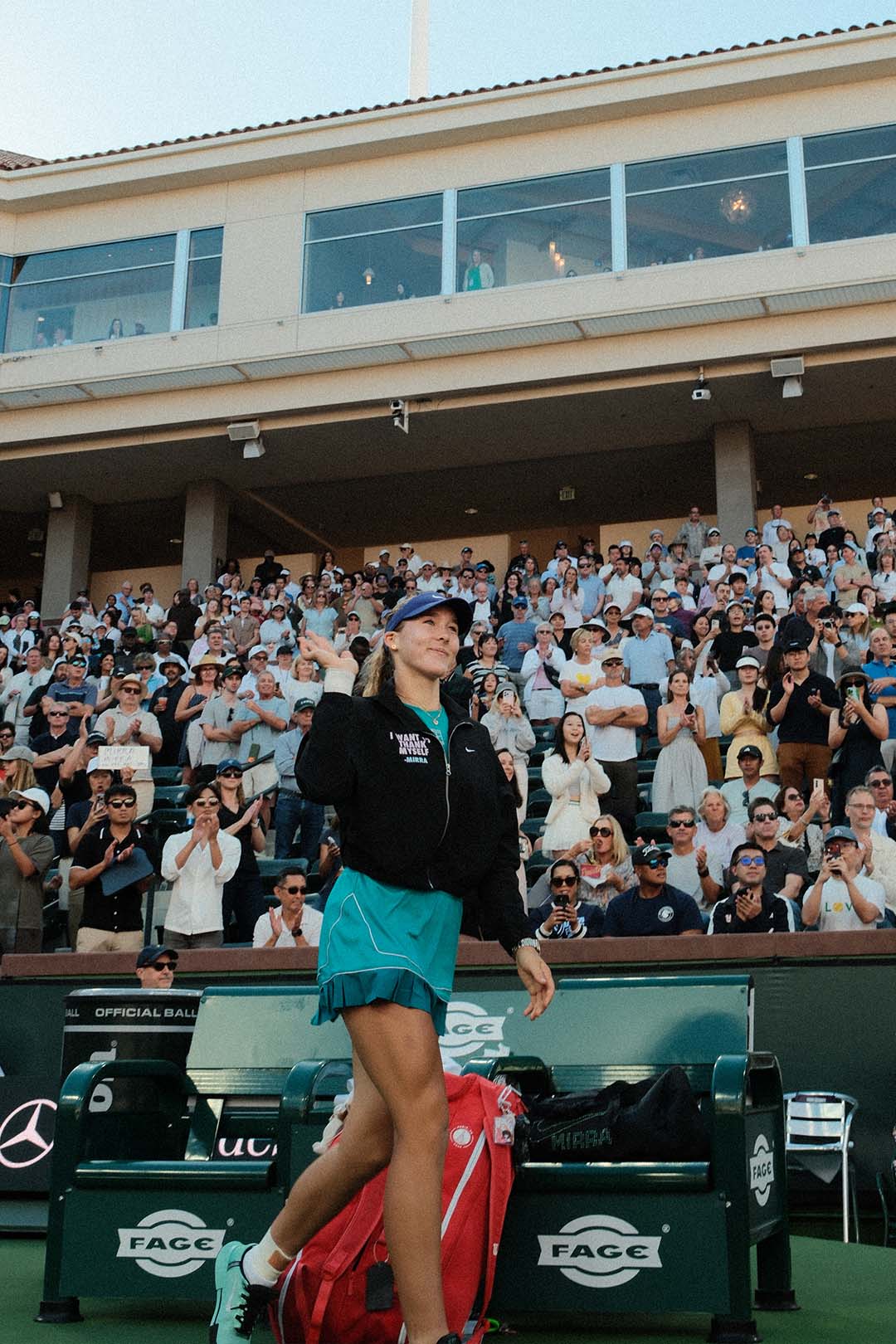
Ranked 9th in the world a year ago, 19-year-old Mirra Andreeva has finished ’26 at No. 2, her ascent validated by winning the WTA Finals without the loss of a set, an effort capped off with a 7–5, 6–3 win over Elina Svitolina in the final. So goes the storytelling machinery that much Andreeva does outside the lines will generate attention, ranging from her open admission of temper tantrums to the implications of life as a Russian to the perils of precocity. But study Andreeva’s matches closely and you will see a superb tennis IQ; on the order of Martina Hingis, but with a better forehand and a bigger serve. Opponents speak frequently of Andreeva’s ability not just to anticipate but also to read the court, a rare asset when it comes to constructing points—and also pleasing fans. Savor and learn.
Elena Rybakina: Missing in Action—How Will She Return to Duty?
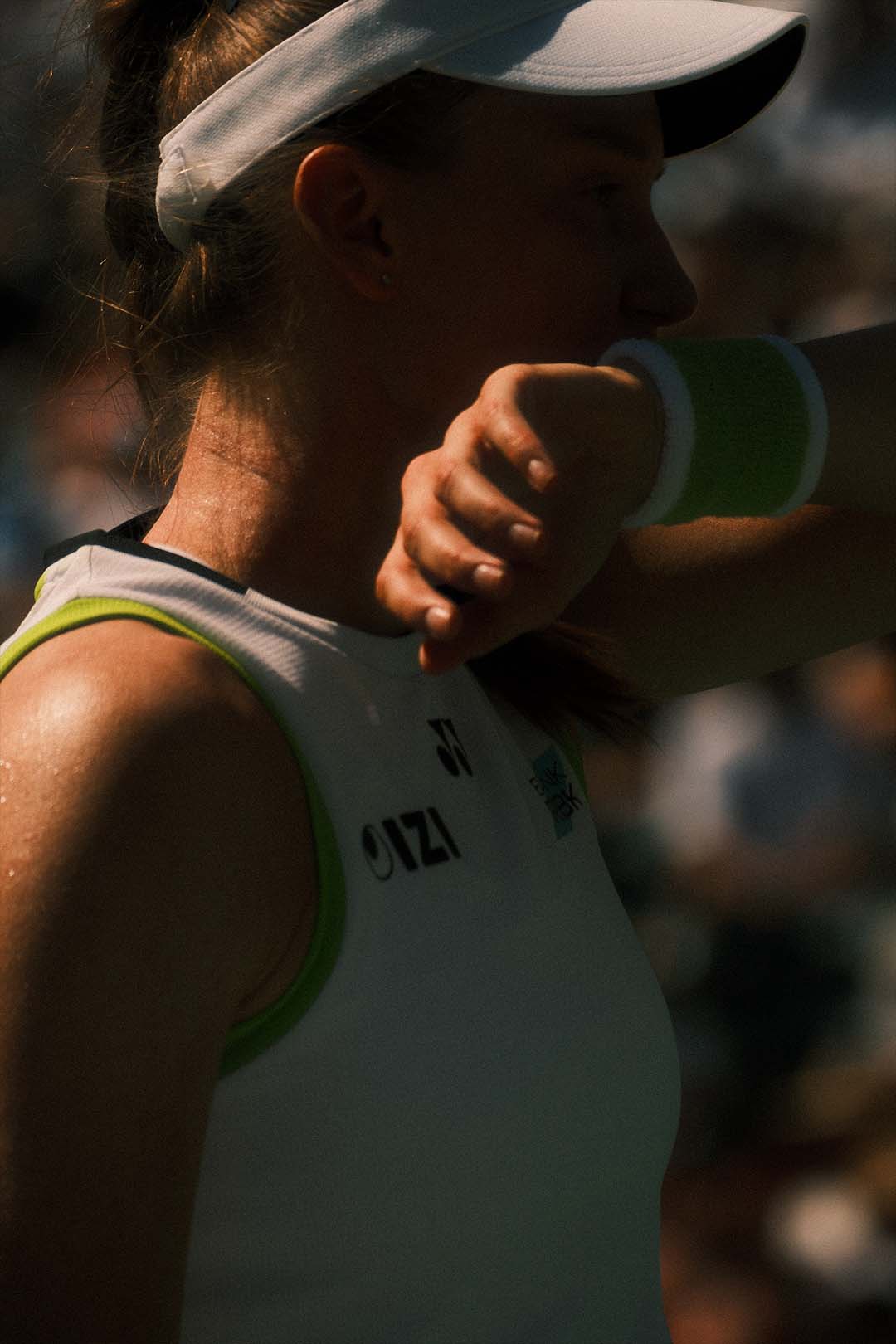
Many times, the WTA Finals have served as an unofficial coronation of the woman ranked No. 1 in the world.
But visibility has never been newly minted No. 1 Elena Rybakina’s style. Last year, she qualified for the WTA Finals with a late-season push and quietly took the title. Alas, this year, Rybakina withdrew from the event due to a viral illness.
Rybakina has mimicked the Graf-Sampras playbook: Spare me the marketing machinery and let’s make it all about performance. Also recall how, following last year’s win, Rybakina declined to pose for a photo with then WTA CEO Portia Archer due to the tour’s suspension of her coach. Sunday morning in Indian Wells, WTA founder Billie Jean King recalled how she demanded a new No. 1 named Chris Evert become the WTA’s president—a post Evert held for 11 years while also conducting a great many interviews and attending oodles of sponsor events. At a time when the financially challenged WTA Tour motto is ostensibly “All hands on deck,” how will the reticent Rybakina embrace the various responsibilities that accompany the No. 1 ranking?
Swiatek and Sabalenka: Twilight or a New Sunrise?
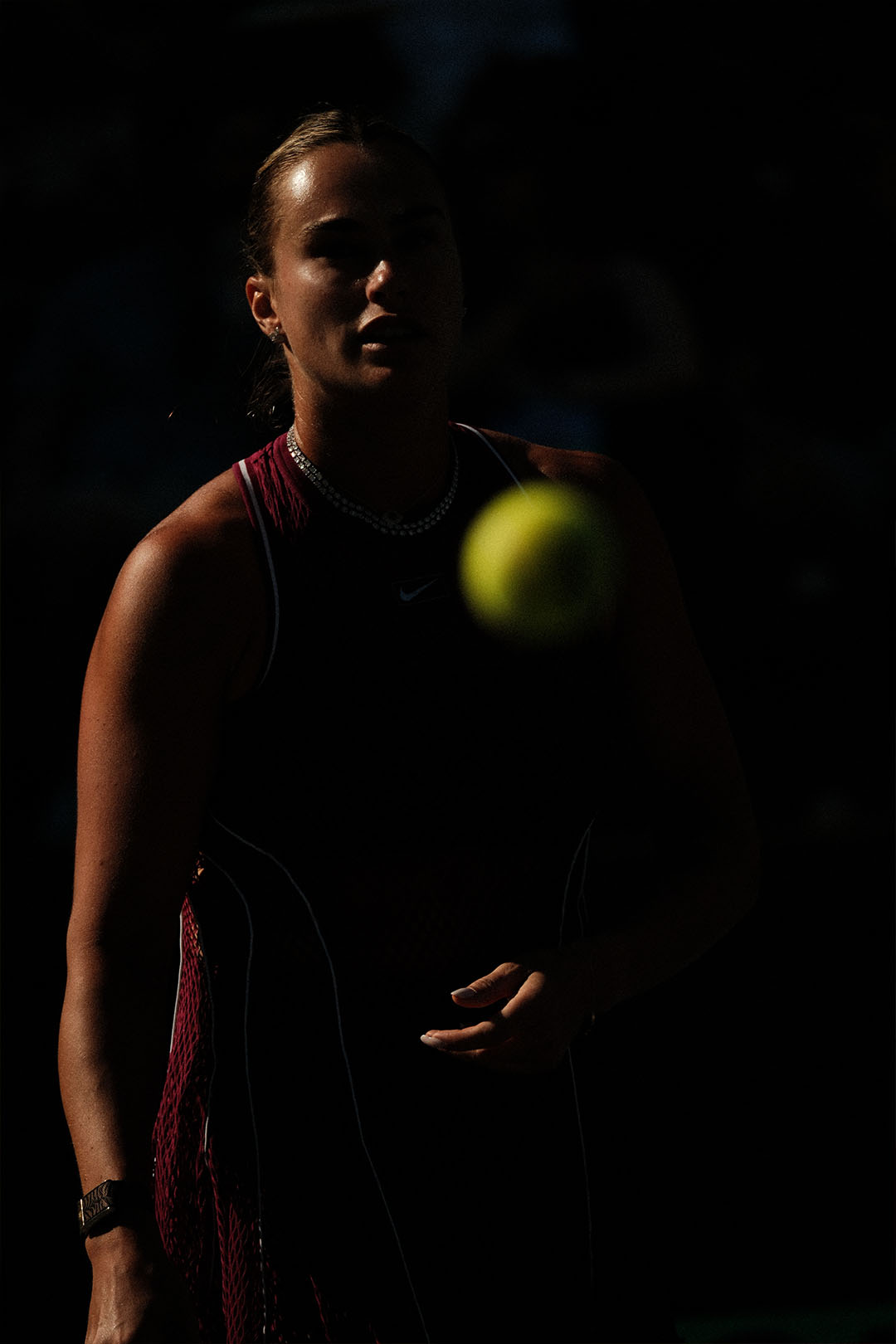
Of the 28 Grand Slam events played this decade, Iga Swiatek and Aryna Sabalenka have collectively won 10. You’d think that those achievements would generate a strong aura of confidence. Not so. What began for each as ripples of doubt in ’25 turned into a torn seam in ’26. For the first time since 2019, Swiatek missed the WTA Finals. Hopefully, Swiatek will take solace that her one title run, in Toronto prior to the US Open, included a win in the final over Rybakina. But quite often this year, Swiatek came off as one world-weary 25-year-old.
And what to make of Sabalenka in her volatile, candid, engaging, and dysfunctional emotional glory? You needn’t hold a doctorate in psychology to know that if Sabalenka wishes to compete more effectively, she needs to improve her body language, reduce negative self-talk, and, as happened Friday in the desert, cease to make regrettable public comments. The WTA Finals were a microcosm of Sabalenka’s frustrating ’26. Following an impressive opening win over Karolina Muchova, Sabalenka dropped 11 straight games versus Andreeva in a 6–4, 6–0 defeat, and then, seeking a spot in the semis, was beaten 6–1 in the third by Svitolina, skipped her post-match press conference, and the next day issued yet another apology via social media.
The question regarding these two future Hall of Famers: More ahead or most behind?
Praising the Eternal Diligence of Jessica Pegula and Elina Svitolina
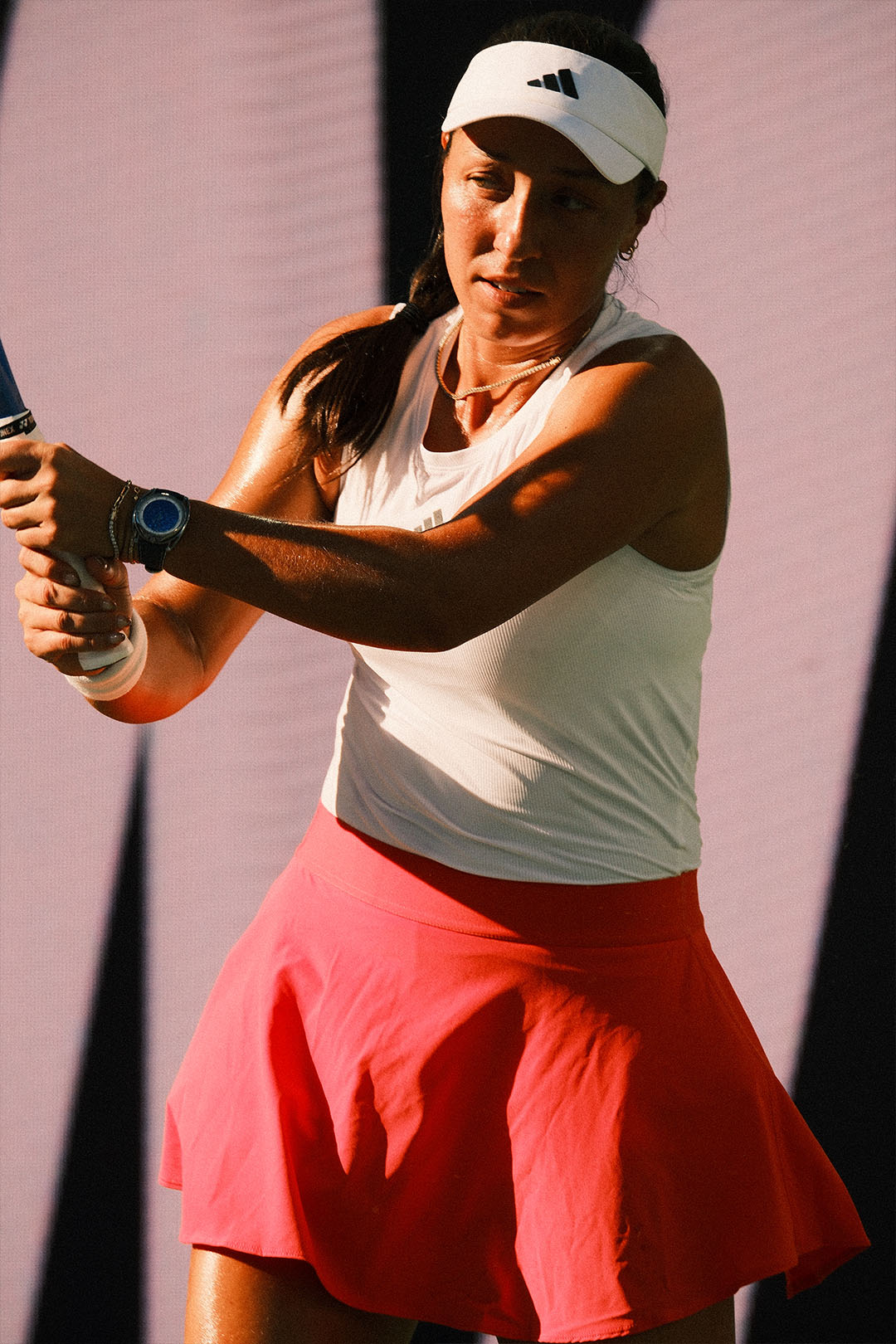
Enduring veterans Jessica Pegula and Elina Svitolina provide maximum miles per gallon. True to form, each scrapped her way into the semis of the WTA Finals with gutty three-set wins on their respective group’s final day of round-robin competition. Crisp ball-striking and excellent movement have taken them far—though only once to a Grand Slam singles final (Pegula losing to Sabalenka at the ’24 US Open). And then, alas, each lost on the final weekend to Andreeva; Pegula in Saturday’s semi, Svitolina Sunday in the final. It’s intriguing and refreshing that while twentysomething Slam winners Swiatek and Sabalenka currently appear jaded, Pegula and Svitolina are 32 and remain fit and hungry.
So what’s the path to greater results? Double down on what works or pursue innovation? Asked about this following her loss to Andreeva, Pegula said, “I think I want to be able to come into the net more.” It will be fascinating to see how this plays out in 2027.
Karolina Muchova, Heartbreaker
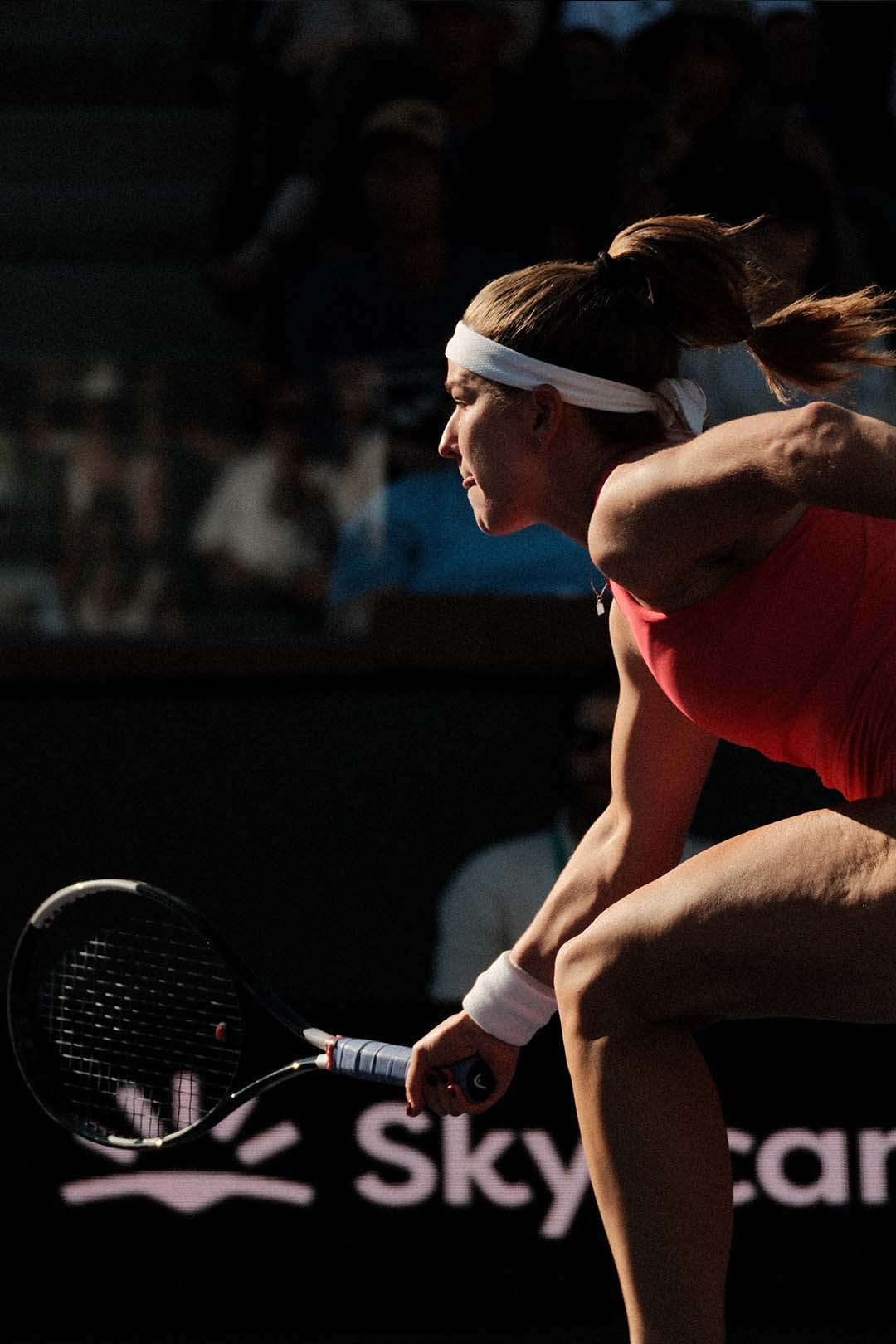
It’s plausible to compare Karolina Muchova’s sparkling all-court game to stylists Ash Barty and Roger Federer. At her best, Muchova shows off a rainbow of possibilities. Twice she has lost three-set Grand Slam singles finals, most recently this year at Wimbledon to her compatriot Linda Noskova. And yet, for all her versatility, I’m wondering if the now-30-year-old Muchova will end up more heartbreaker than dream maker. I’d be delighted to be proved wrong.
Memo to Doubles Players: Take Charge of Your Destiny
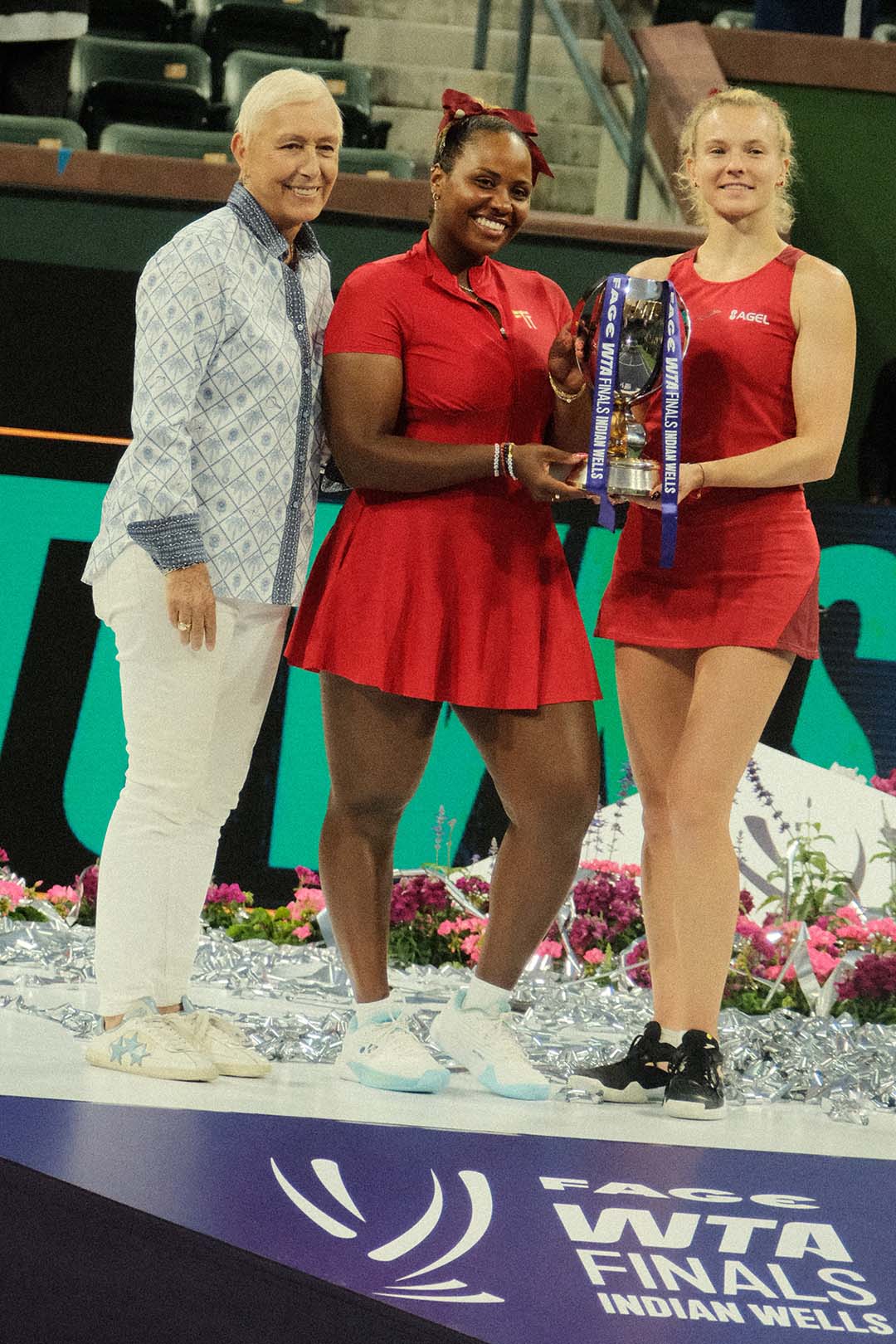
Past 4 p.m. on a 72-degree desert Saturday afternoon, with more than 7,000 fans paying close attention, four of the WTA’s best doubles players—Katerina Siniakova–Taylor Townsend vs. Gabriela Dabrowski–Luisa Stefani—revealed yet again why professional women’s doubles is highly engaging. Teams like Hsieh Su-wei–Jelena Ostapenko also spice up the mix. The strategic recommendation for pro doubles players: Create a “Doubles Promotional Council.” Devote ample time and even 2 percent of prize money into a promotional budget and several innovations: names on the back of shirts, at least three fan-facing events per tournament (tour doubles matches feature labor-light no-ad scoring), and engaging web content about the players and their backgrounds, styles, and tactics.