
Q&A: Marta Kostyuk
Q&A: Marta Kostyuk
“People who never experienced war can never comprehend what it is.”
“People who never experienced war can never comprehend what it is.”
By Klaus BellstedtPhotography by David BartholowMay 6, 2026
Q&A: Marta Kostyuk
“People who never experienced war can never comprehend what it is.”
By Klaus BellstedtPhotography by David BartholowMay 6, 2027
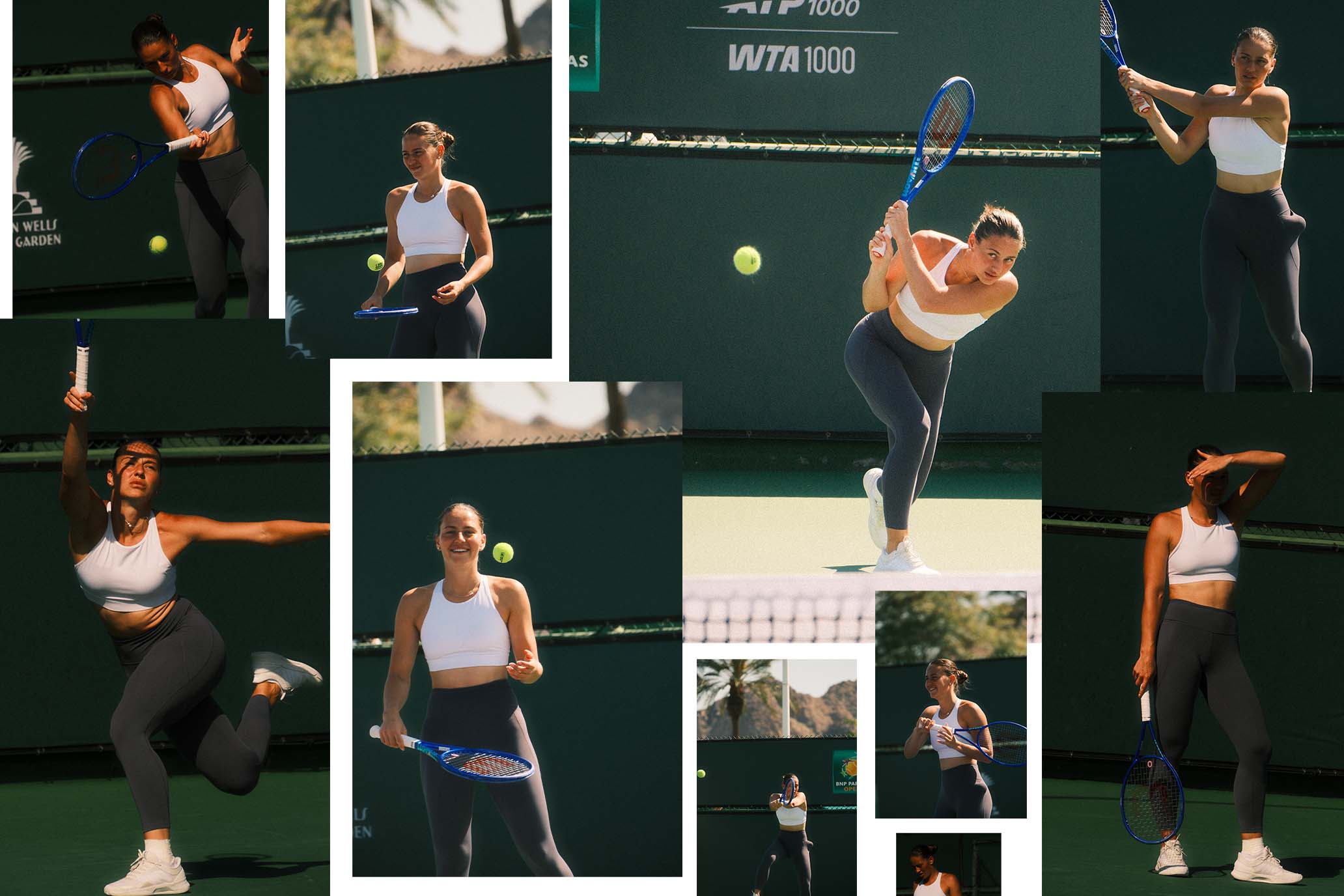
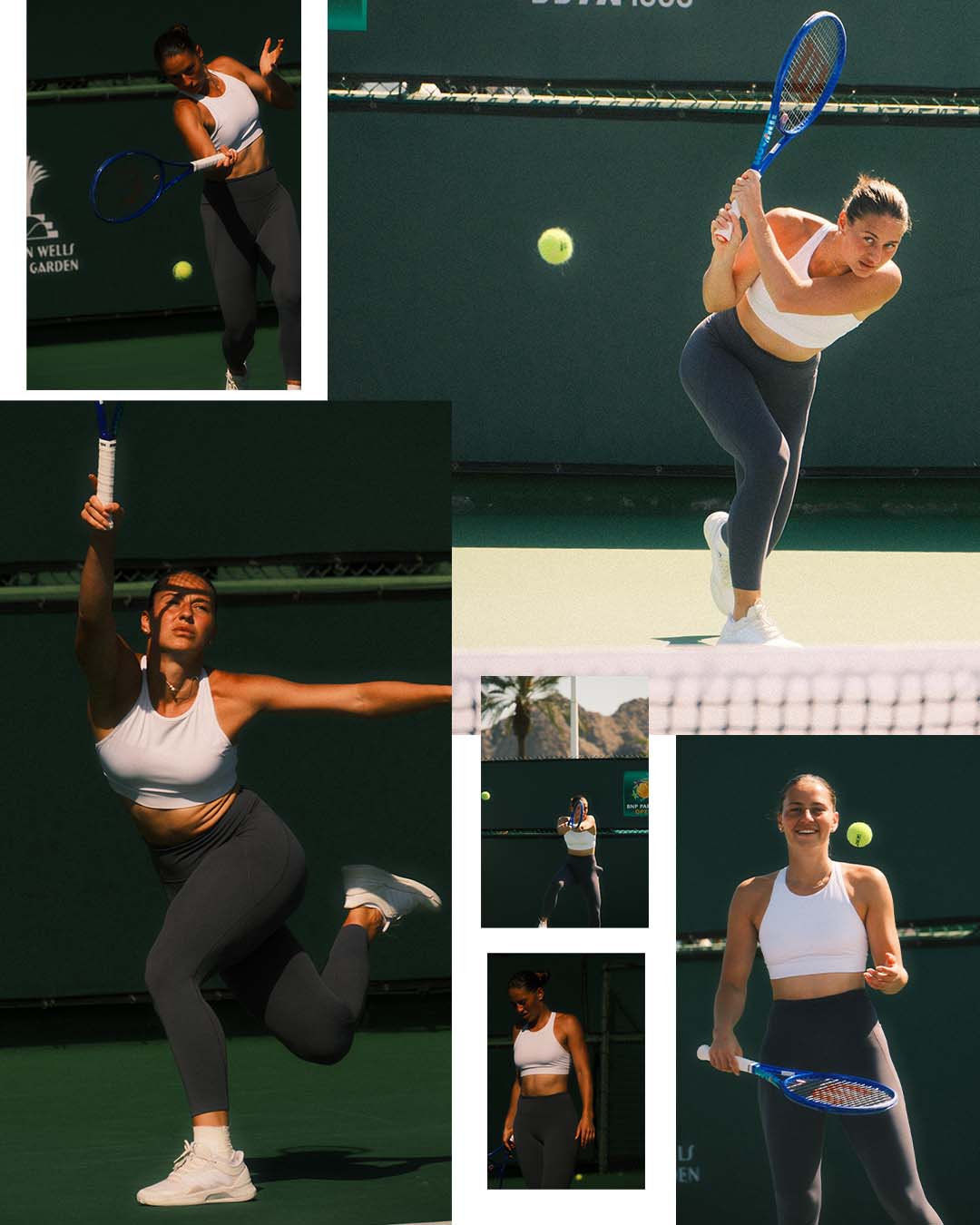
Two days after winning the biggest title of her career at the Madrid Open, Marta Kostyuk sits in a meeting room of a luxury hotel in Rome with a calmness that almost contradicts the magnitude of her breakthrough. The 23‑year‑old Ukrainian has always been more than a tennis player—a voice for her country, a sharp observer of life on tour, and someone who insists on authenticity in everything she does. In this conversation, she reflects on Madrid, the emotional weight of representing Ukraine, the strange loneliness of the WTA circuit, and the value she places on long‑term, meaningful partnerships.
You just won the Madrid Masters, the biggest title of your career. In a moment like that, what goes through your mind beyond the tennis itself?
I tried to live through these emotions as much as possible the past two days, but I was very surprised that on the day of the match I wasn’t nervous at all. Usually I’m pretty match‑nervous, but I wasn’t anxious. My biggest goal was to enjoy the moment. I had some struggles physically prior to the match, so I was more scared of the physical aspect. But when I stepped on court and realized I felt good, that freed me. Winning it was just a bonus.
Was there a moment during the week when you thought, “I can actually win this”?
The first glimpse was when I beat Caty McNally and she told me at the net, “You can seriously win this thing.” It crossed my mind for a second. From the quarterfinals on, I started thinking about it more.
Any specific moments that stand out from that run?
I was super nervous before the quarterfinal because it felt like a turning point. After that it was smoother. Before the final I tried not to think about it too much—I had a day off, I was in pain, and I needed to switch my mind off.
What about the final itself—when did it feel real?
When I started the match. I started really well and thought, “Okay, I feel good today, I can do it.” And then when I was serving for the match at 6–5, I was like, “Wow, this is really happening.”
Were you afraid in that moment?
No, I don’t think so. You can see with the way I played—I was going in, coming to the net. I wasn’t afraid. I tried not to think too much that it’s a final. It’s still another match.
You’re competing at the highest level while representing Ukraine at a very difficult time. What does that responsibility feel like today?
I felt that responsibility from 2014, when we had the big revolution in Kyiv. I was attending it almost weekly and volunteering. My family is very nationalistic in the best possible way, so I’ve had that responsibility since then. When it turned into full‑scale war in 2022, it was a different role because I was older. The responsibility didn’t go away. I focus on what messages I want to bring out there, share the pain of people, my pain. People who never experienced war can never comprehend what it is, but I’m doing my best to bring awareness.
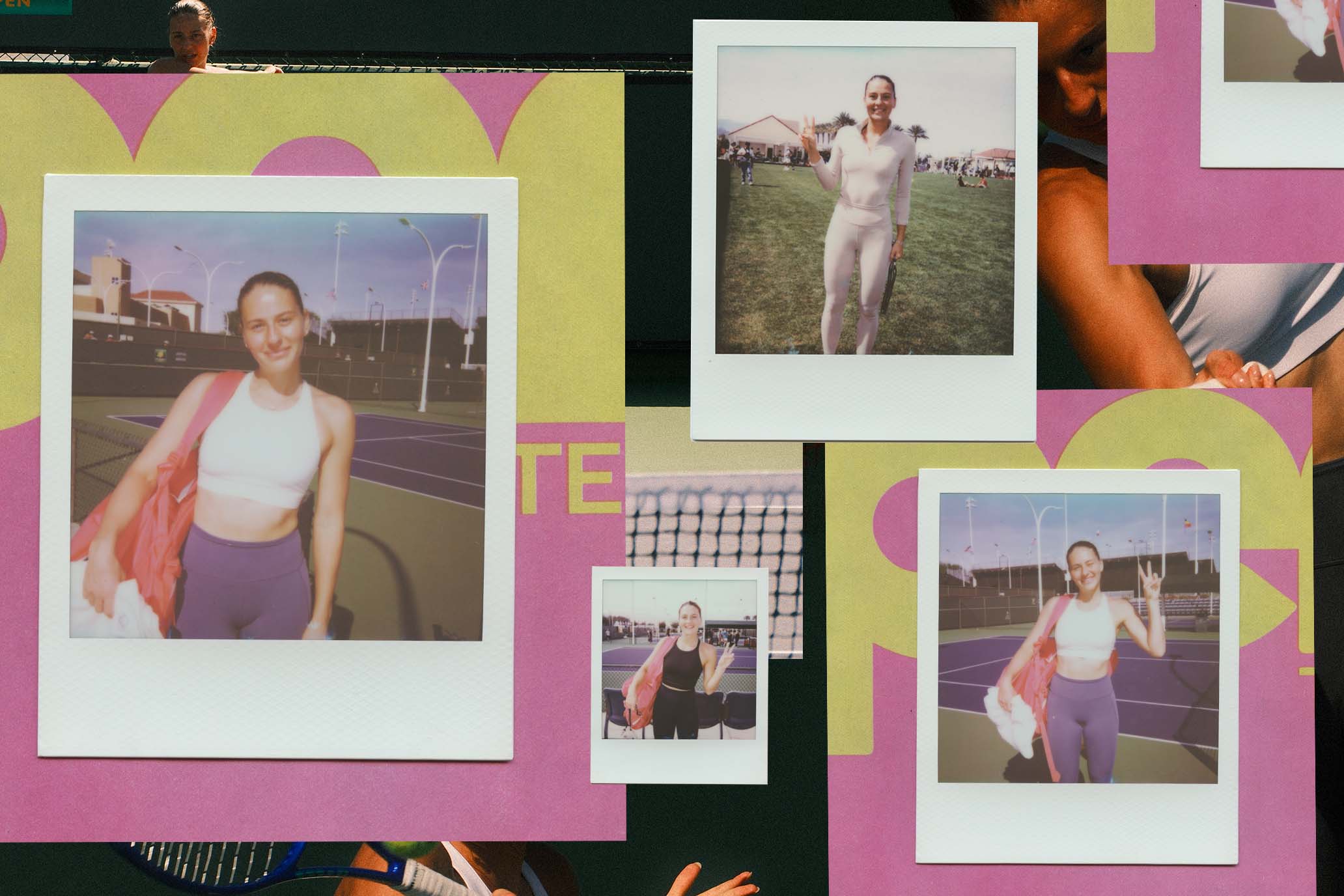
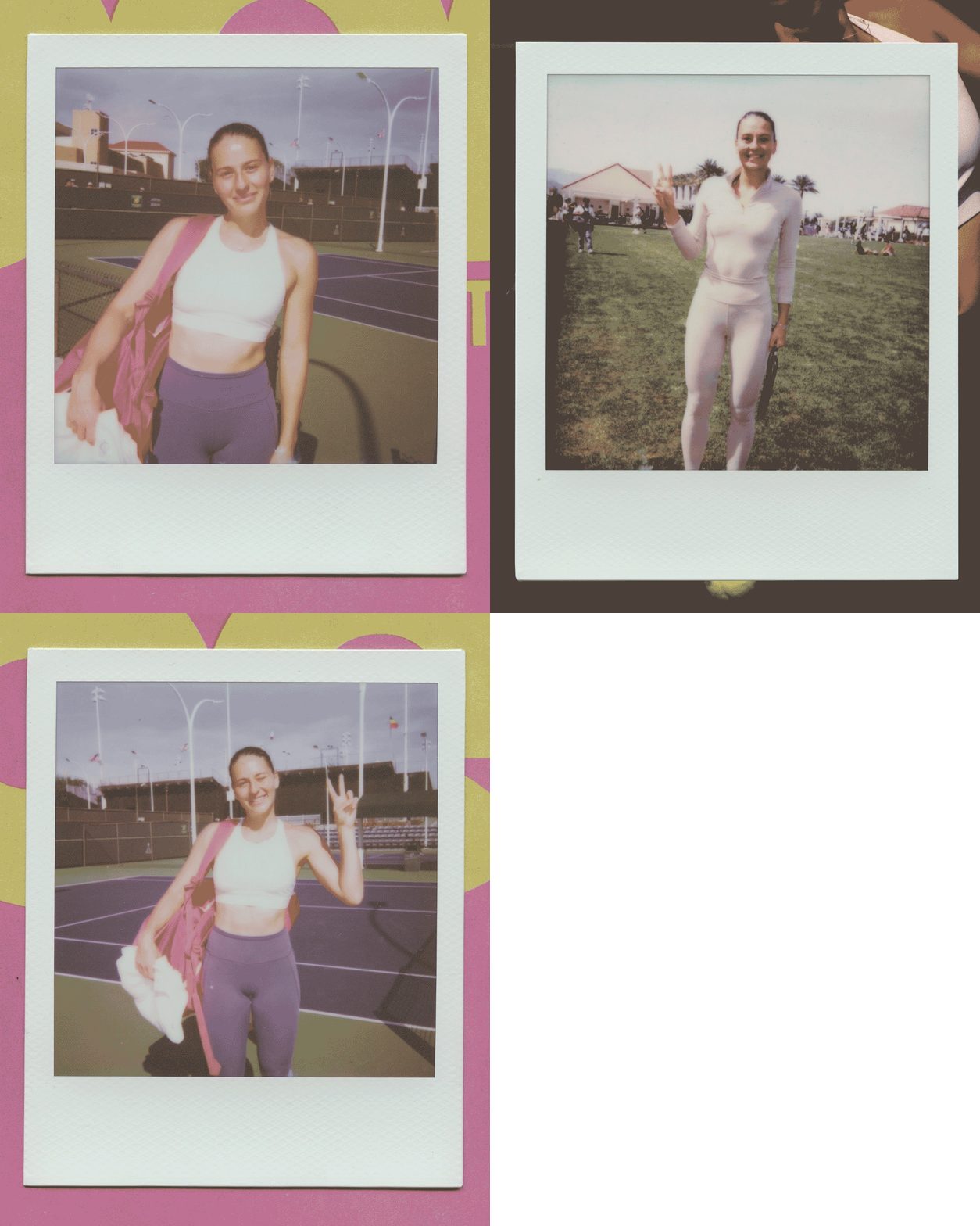
Does carrying that weight help you mentally on court?
I want to think that way because I definitely changed. Stressful moments trigger you, and there’s a lot of room to improve as a human. I learned how to navigate it. But great suffering comes with it. My goal is to have as much balance as I can. At some point I felt that if I wasn’t anxious about the war, I would betray my family. But it interfered with my daily life. I had to change. Last year I decided I’m not going to have news notifications. You cannot expose yourself to that all the time when you’re not in it.
Tennis can be lonely. What keeps you grounded during long stretches on tour?
Generally on tour it’s pretty lonely, especially for me on the WTA side. The most lonely I feel is usually the Asian swing because everyone is tired, and I never go there with my husband or my dogs. But I think it’s just the nature of the sport. If Katie Boulter or Eva Lys or Gaby Ruse isn’t at a tournament, I feel lonely even if there are hundreds of people. They’re my colleagues, but from a human perspective, it’s lonely.
How do you experience friendships on tour?
I like steady, long, healthy relationships. With Eva, I’m the closest—I can tell her anything. She once told me, “I’m jealous you got that contract, but I’m happy for you.” That honesty is important. A lot of people say bad things behind your back and then smile at you. When you get injured, you see who remembers you. Not a lot of people reached out to me when I was injured. It’s fine—but it’s the reality.
Does success make trusting people harder?
No. I’m very trustful. I usually over‑trust and end up with a broken heart, but that’s fine. I want to put attention on things that matter—friendship, relationships. I’m sensitive, so I see when people have other intentions. But I love being open with people. I would rather have too many opportunities with people than miss a big one.
With all the travel and hotel life, what does “home” mean to you right now?
My husband joked on the plane from Madrid: The whole planet is our home. You try to create home wherever you are—a little corner next to your bed, routines, rituals. I’m lucky I travel with my husband and my dogs. But sometimes you just want your own bed, your kitchen, your food. And hotels matter. In Rouen, my husband had to sleep on a mattress on the floor. Two tournaments in a row I didn’t have a bathtub—and I love taking baths. It’s my space to relax.
How do you see your identity beyond tennis?
I’m very spontaneous. I can decide something and go somewhere. I don’t like to plan. I’m very forgiving and easygoing. I can laugh at myself. And food is a big part of my identity—I love to cook, I love to taste food. It’s one of the biggest joys of my life.
What makes a partnership meaningful to you at this stage of your career?
I always want a long‑term strategy for why I have certain partnerships. You can do something for money, but if you work with someone you don’t want to work with long-term, it’s not worth it. Quality is more important than quantity. With Wilson and now also with my new partner Duravit, I hope it’s long‑term, quality relationships. I want people who work with me to be happy with who they’re represented by. I want to pay attention to what actions I take, what I can do better, how I can present them better. The world is becoming more digital and distant—for me, relationships are the most important part of any partnership.

TENNIS. ART. CULTURE. FASHION. TRAVEL. IDEAS. — SIGN UP
RECOMMENDED
Pete Sampras: Wanna Bet?
GAMBLING
Zac Farro: Life Preserver
CULTURE & ARTS