Rainbow Roll Roulette
Rainbow Roll Roulette
Ethan Quinn Gets His Card Pulled.
Ethan Quinn Gets His Card Pulled.
By Ben RothenbergJanuary 21, 2026
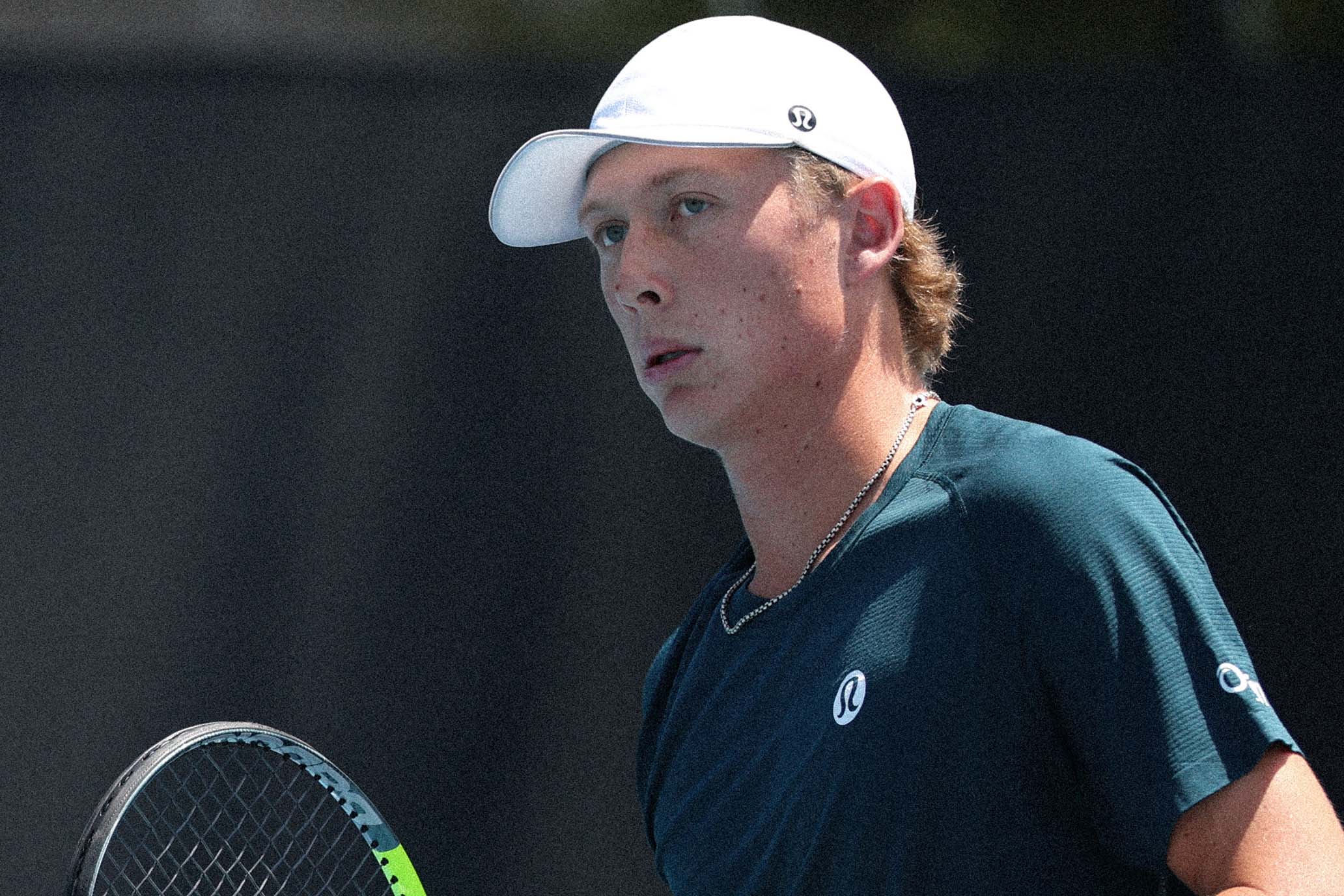
Ethan Quinn's wallet is a tad lighter. // Getty
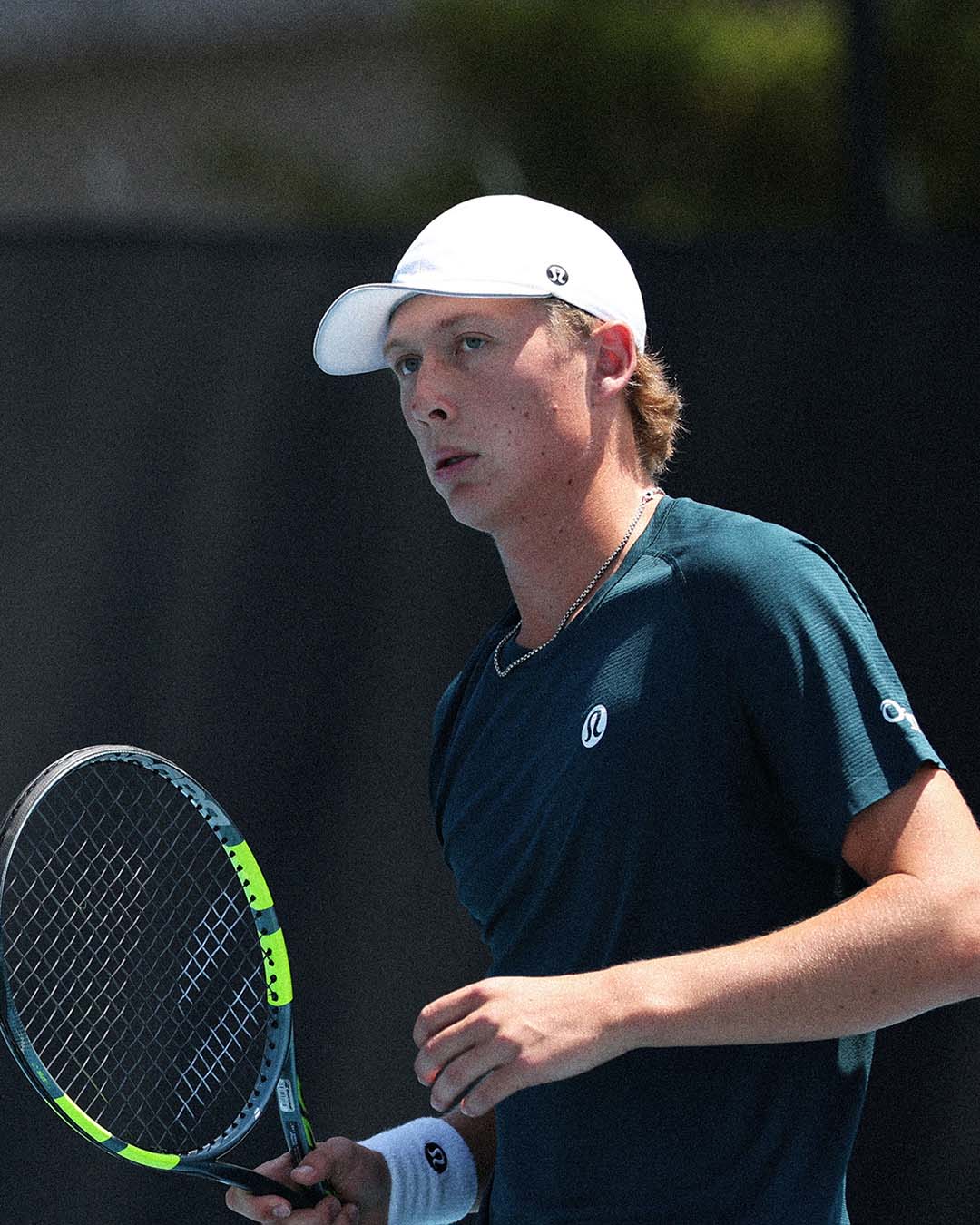
Ethan Quinn's wallet is a tad lighter. // Getty
On the eve of the 2026 Australian Open, after the luck of the draw and before the luck of the netcords, 10 of the top American men’s tennis players had a risk-ready appetite, hungry to let fickle fingers determine their fate once more.
They were full otherwise, having just put down their chopsticks at Nobu in Melbourne’s Southbank neighborhood after a Saturday night dinner. One of them, though, was about to get a bitter dessert: They put 10 credit cards in the middle of the table for what’s become an annual game of credit card roulette.
When the unlucky card was pulled, many around the table flinched: It belonged to 21-year-old Ethan Quinn, who only broke into the top 200 at the start of last season. Though he’s made his way up to 80th in the rankings, he’s spent less time at these high-rolling affairs than any of the rest.
“I was trying to pay for it, to be honest,” Ben Shelton, who has made more than $11 million in prize money alone, told me of when he saw who had lost. “But tradition is tradition, I guess.”
Taylor Fritz, 19th all-time on the ATP’s prize money leaderboard with more than $29 million, felt similarly. “I felt really bad that he lost—with everyone at that table,” Fritz said of Quinn, who is 726th on that all-time list.
Fritz, who recently slipped behind Shelton but has been the highest-ranked American man for most of this decade, has taken on the role of organizing the dinner—“which sucks,” he said of that responsibility—to keep an annual ritual going.
“I’ve tried to kind of branch it out and invite all the guys,” Fritz said. “I don’t have every American guy’s number, and there’s new guys that come up. So I put six or seven of the guys in the group chat—and everyone is invited; I’m getting the big table. Whoever can come, comes.”
When first held around 2018, the dinner was at Chin Chin, a delicious and pretentious Thai restaurant on Flinders Lane. Fritz shifted the venue to Nobu, where he’s mostly kept the tradition going each year. Last year Fritz admitted he “slacked” and didn’t organize it; two years ago the group agreed to split the bill between two players, only for it to land on two of the lowest-earning: 57th-ranked J.J. Wolf and 101st-ranked Aleks Kovacevic.
“I felt awful there, too,” Fritz said.
Quinn told me he was braced for a rough number as he glanced at the bill for the 10-person party at Nobu. The receipt was more than a foot long, including two steaks, seven miso-marinated black cod, 40 wagyu tacos, dozens of pieces of sushi and various other sides. But when Quinn saw the amount—and then converted it into U.S. dollars, which are only about 67 cents on each Australian dollar—he was relieved.
“I was expecting worse: It was $2,500 U.S.,” Quinn told me. “Not as bad as I was expecting. I was expecting 8 grand, to be perfectly honest with you…. No one drank, so that’s kind of what helped.”
What may have especially helped, Quinn said, was a possible 11th dinner guest who was absent: Frances Tiafoe, who skipped out on the annual occasion because he was scheduled to play his first-round match on the opening Sunday and is taking things more seriously lately.
Quinn thanked Tiafoe when he saw him at the tournament.
“I was just like, ‘Dude, if you were there, that bill is going to be three times what it was’—and he thought that was funny,” Quinn said.
Quinn savors having a seat at the table—and getting to make fun of guys who are still well above him in the rankings and earnings. When he sees Tiafoe around this Australian Open, it means making fun of his infamously enormous personal water tankard.
“I feel like I’m pretty comfortable now with a lot of the Americans, and I asked him this week: ‘Oh, did you check your water bottle? Put it business class on the way over here?’ And everyone was laughing. It was fun having that dinner [too], having that full American squad out there. We’re all really close, and it’s just a good time being together with each other.”
Quinn’s loss was bad news, the group knew, for someone else: 23rd-seeded Tallon Griekspoor, who was Quinn’s first opponent. Quinn, who had lost to Griekspoor twice last year, smoked the Dutchman like Gouda: 6–2, 6–3, 6–2.
“Once I stepped foot on court I didn’t think about it at all,” Quinn said of paying back his debt. “I probably would’ve if I lost and walked off the court like, ‘Damn, now I lost and am out $2,500 from a dinner.’”
The first-round win upped Quinn’s prize money for the event by around $50,000, putting him about $47,500 in the black on the trip.
Tiafoe said he had felt “not at all” bad for Quinn for losing—“You’re making money out here, you will be all right”—but enjoyed seeing him win.
“Hence why he got Griekspoor out of the way: He needed to recoup that,” Tiafoe said. “So that’s good.”
Fritz agreed with that assessment.
“He had some extra motivation to win the match today, so that was good,” Fritz said.
Fritz knew how it felt, having lost credit card roulettes twice at the start of his time on tour.
“People need to understand: I took two Ls very early on in my career, too—back-to-back years,” Fritz said. “It all comes around. I told Ethan, ‘Keep coming back every year. You’ll get some free dinners, too.’”