Styles Upon Styles
Styles Upon Styles
The women’s final at Wimbledon is guaranteed to produce a Czech champion.
The women’s final at Wimbledon is guaranteed to produce a Czech champion.
By Giri NathanJuly 10, 2026
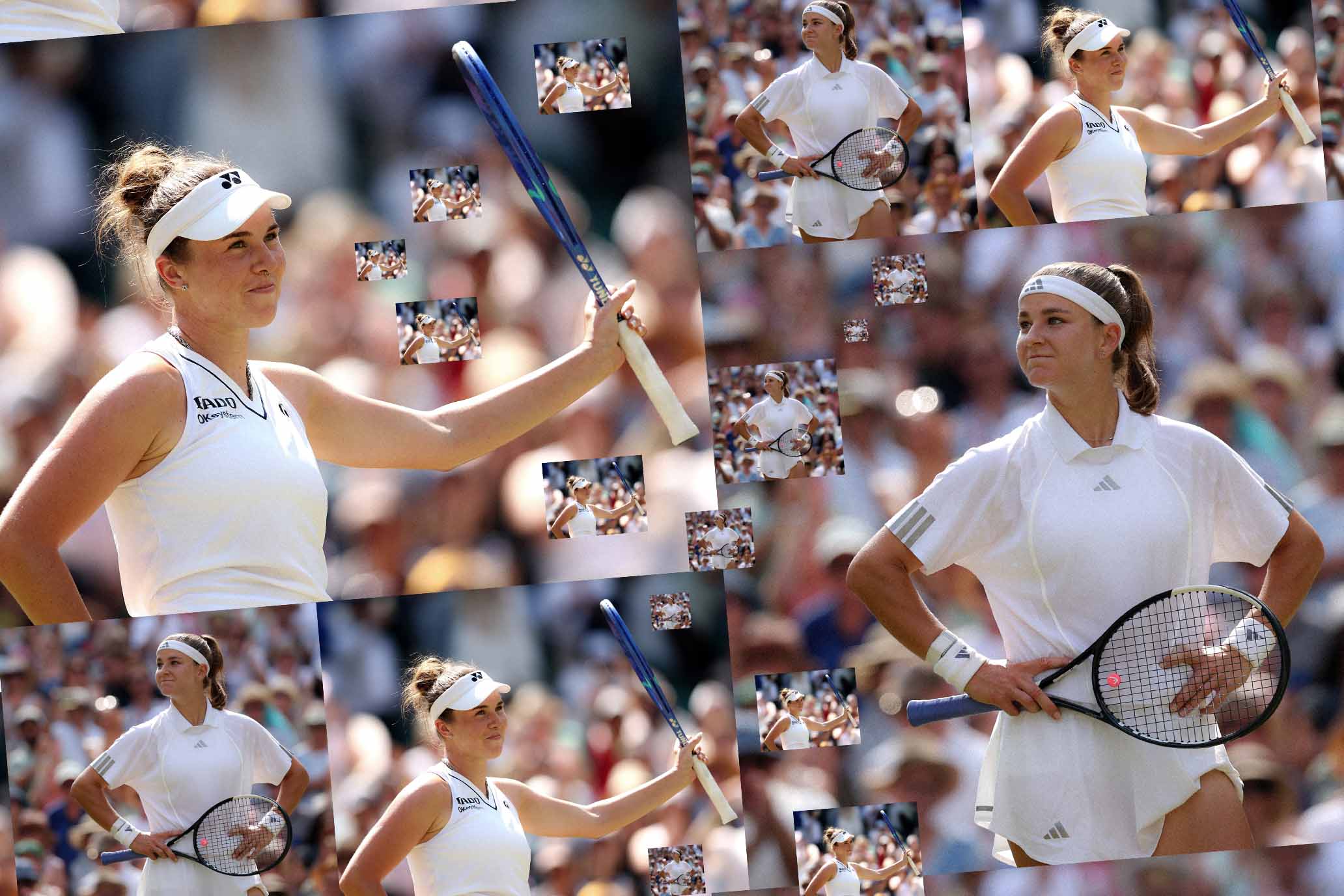
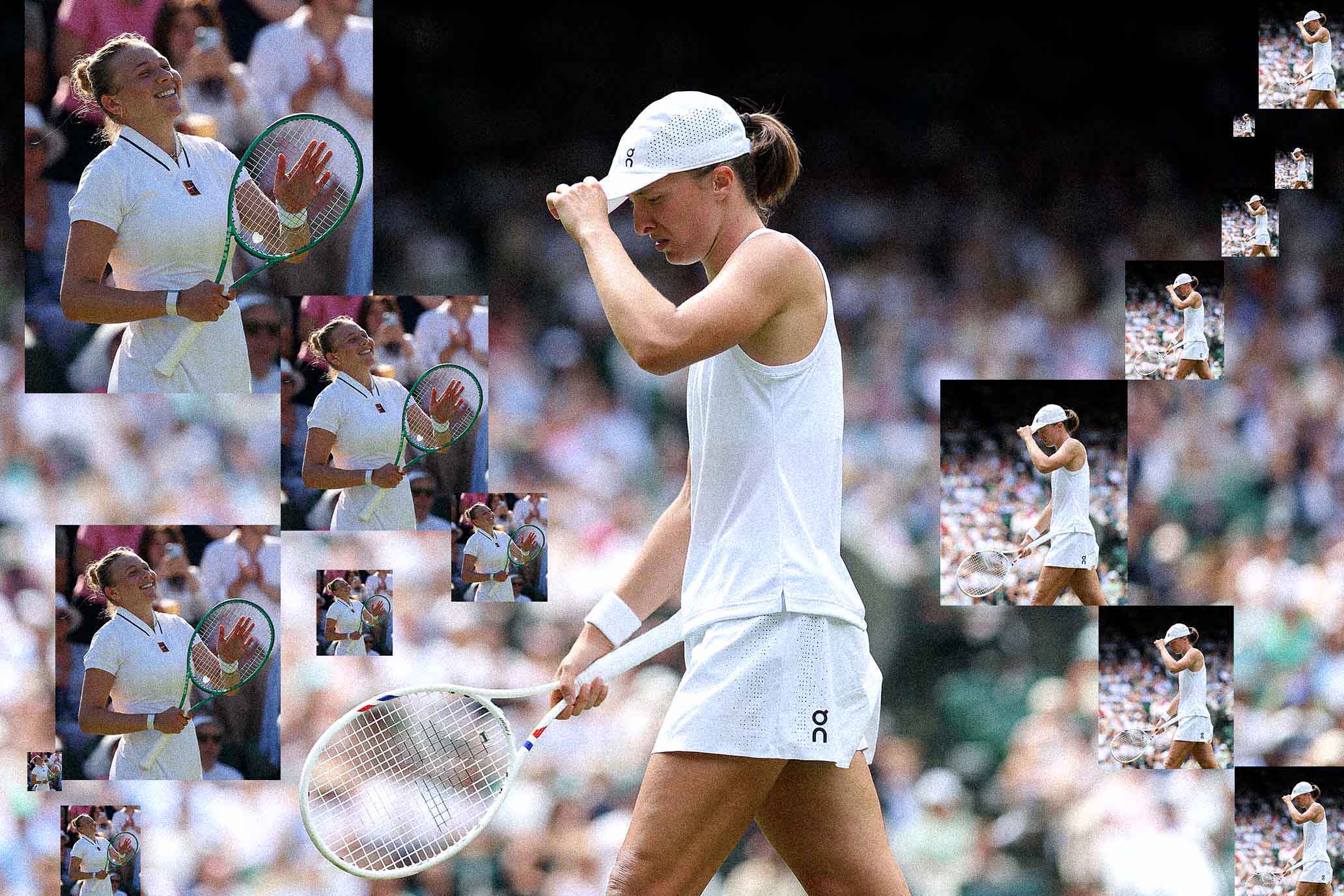
Linda Noskova (left) & Karolina Muchova // Getty
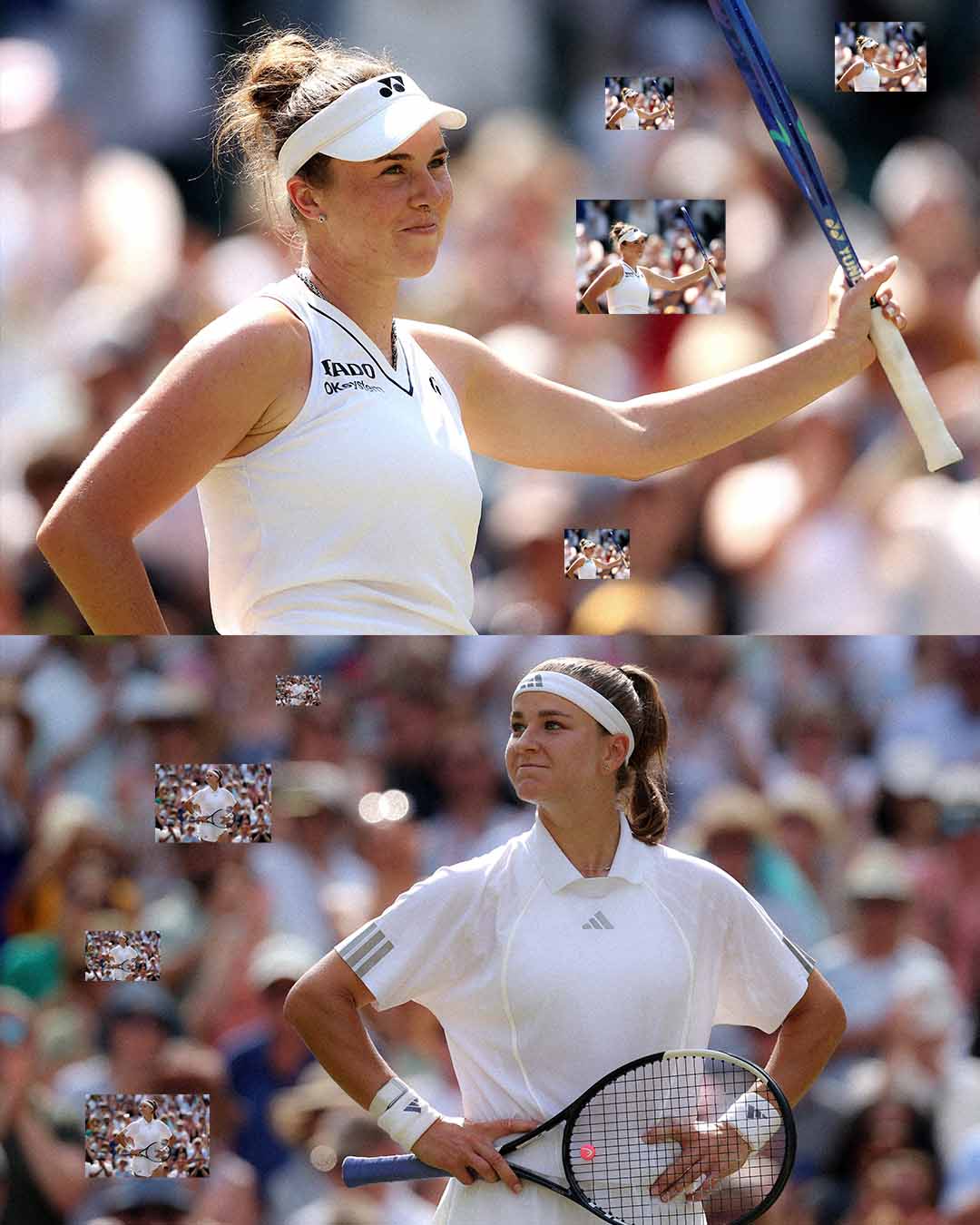
Linda Noskova (left) & Karolina Muchova // Getty
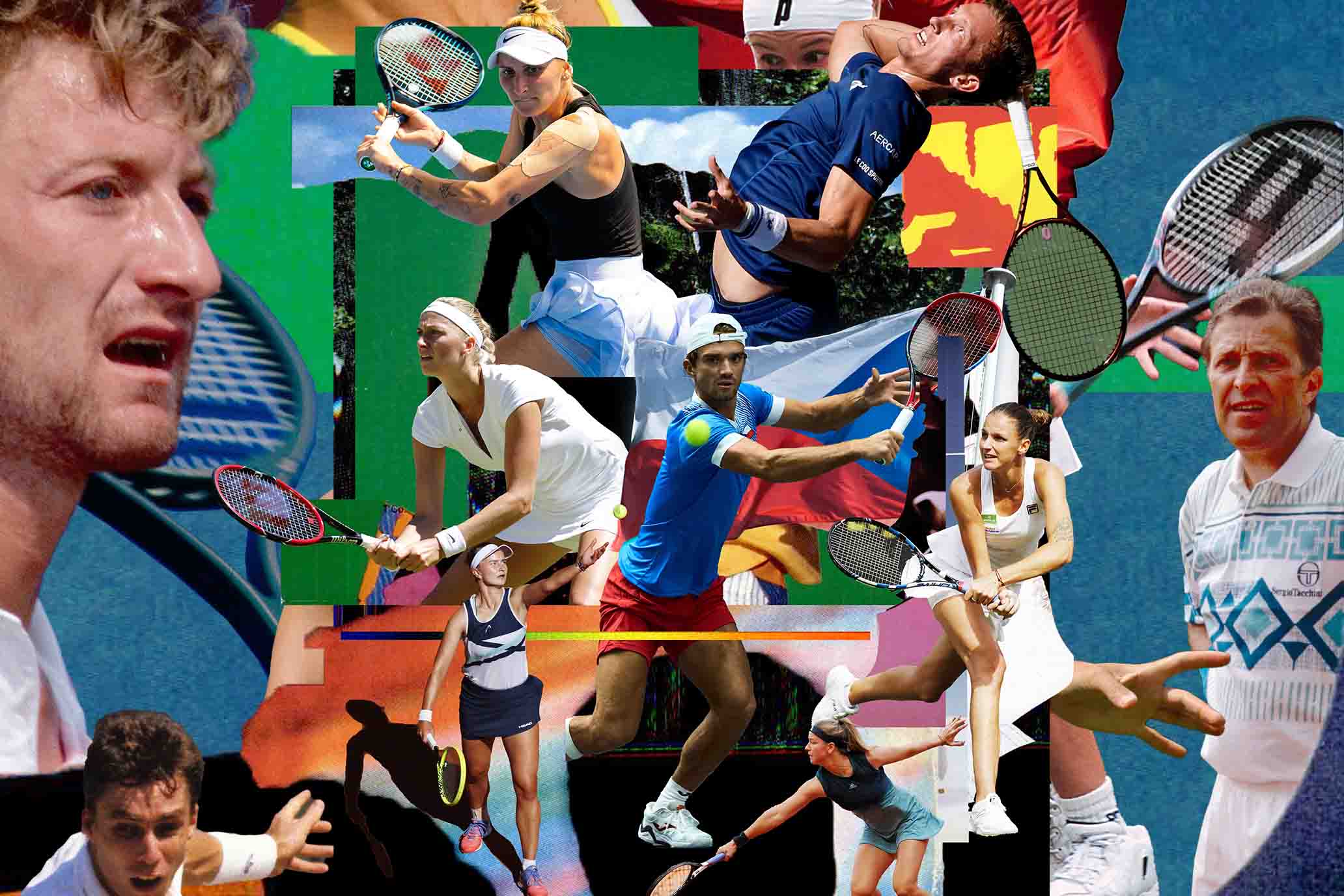
The women’s final at Wimbledon is guaranteed to produce a Czech champion, and she will be the third Czech champion in the past four years. Either 29-year-old Karolina Muchova or 21-year-old Linda Noskova will lift the title at the Slam that has been consistently won by their countrywomen dating back to Martina Navratilova. Both finalists have been asked to account for why their nation of less than 11 million people has overperformed so spectacularly at the grass-court major. It doesn’t sound like anyone has a satisfying explanation. Muchova credited the country’s history of great players, including those a few years above her whose success instilled self-belief in her; she also later admitted that she was tired of getting the question and didn’t really know what else to say. Noskova, much earlier in her career, probably hasn’t yet heard the question as many times and gave it an earnest try: Despite different game styles, the Czech players were all very creative, and “grass allows us to use any side of tennis; serve and volley back in the old days, slices and volleys in this new era.” And she, too, admitted that she always tries to come up with a new answer to this question whenever she’s asked.
I certainly don’t have a better theory than those two. I saw that Tomas Berdych, a 2010 Wimbledon finalist himself, guessed there probably wasn’t a single grass court in Czechia. Muchova said she’d barely gotten much practice on this surface, and that she is in fact allergic to grass, competing only with the help of pills, eye drops, and sprays. (If she wins, I assume she will be skipping the Djokovic-style grass-eating celebration.) I don’t have any grand theories, but the one commonality I observe in all these Czech players is that they all have extremely sound technique on their ground strokes. The speed of play on grass can quickly expose technical weaknesses, but they just keep hitting the ball as clean as ever. And all of them can volley, too. But I think any attempt to connect the dots between these players too neatly and systematically would be misguided. They all come at their success differently, and when it comes to the two finalists, they play quite different brands of tennis.
Muchova’s all-court style enchants everyone. It’s the kind of fluent, feel-based tennis that anyone who’s ever held a racquet has hoped, foolishly, to replicate on court themselves. Her freshly broken four-year streak of losing in the first round at Wimbledon says more about her extensive injury history than her natural aptitude for the surface. Through six rounds she’s looked like a natural, and in particular, the audacity of her volleys separates her from the rest of the tour. Check out the two miracles she performed in the tiebreak of her semifinal against Coco Gauff, one a midcourt pickup from ankle height and the other a diving volley. If you think real tennis is about forward movement and great hands, then you’ve probably been sorely disappointed by the past 15-odd years of professional tennis, but you’re in luck right now, since there’s no better exponent of that style than Muchova. This is old-school grass-court tennis reskinned for the modern age.
That’s not the only style that thrives on grass in 2026, of course, and Noskova presents another archetype: big serve backed up by a first-strike baseline game. She has been the winningest player on grass courts since the start of 2025. And despite her low-key affect, Noskova has been an unmissable talent for a while, having achieved impressive pro results by her mid-teens and broken into the mainstream in 2024 with an upset of then world No. 1 Iga Swiatek at the Australian Open. Earlier in her career Noskova used to be a little wilder in her execution, but she’s since gotten control over her power, and her point construction at Wimbledon has looked smart and relaxed. She also has better hands than I’d realized, which allows her to quickly capitalize on all the advantages she produces from the baseline. By being impossible to break, Noskova has dominated her last three rounds, and the 6–4, 6–4 defeat of Marta Kostyuk in the semifinal was more authoritative than the score line suggests. I suspect she also has a chance to become the first Wimbledon champion with a septum piercing, though if there is somehow a precedent here, please let me know.
Both players won a grass-court title in the lead-up to Wimbledon, too, so they’ve gotten plenty of reps on the surface. Despite only one direct encounter at the pro level—a Muchova three-set win at the 2025 US Open—they played doubles together at the 2024 Paris Olympics and definitely know each other’s games. I expect an emotionally understated but tactically thrilling final, as Muchova tries to change up the pace with her tricks, and Noskova tries to barrel ahead with quick damage. They’ll let the tennis do all the talking.