Withdrawal Season
Withdrawal Season
Our tennis-starved correspondent is suffering.
Our tennis-starved correspondent is suffering.
By Owen LewisDec. 4, 2025
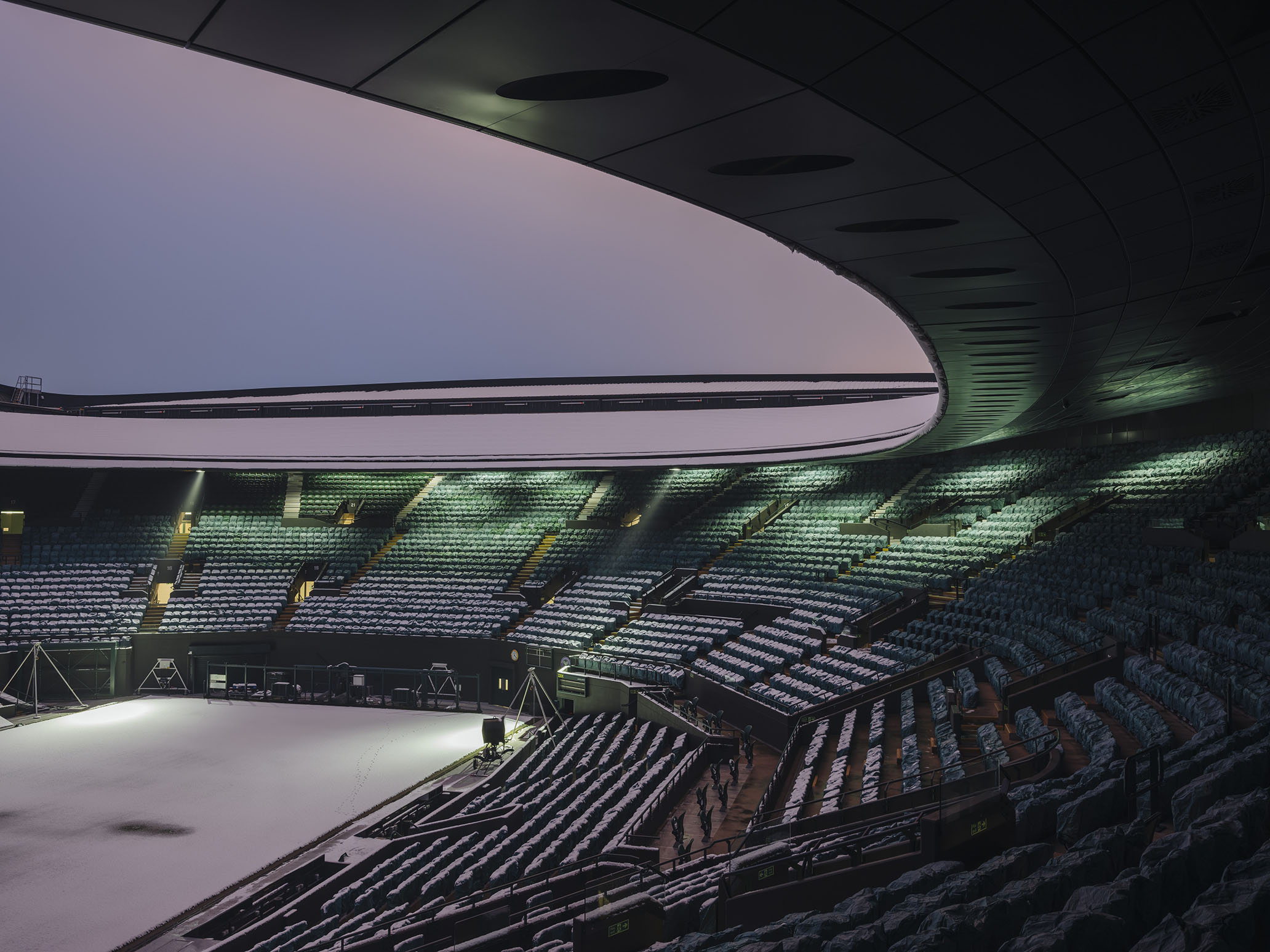
Centre Court, Wimbledon, under a cloak of snow. // Tom Parker
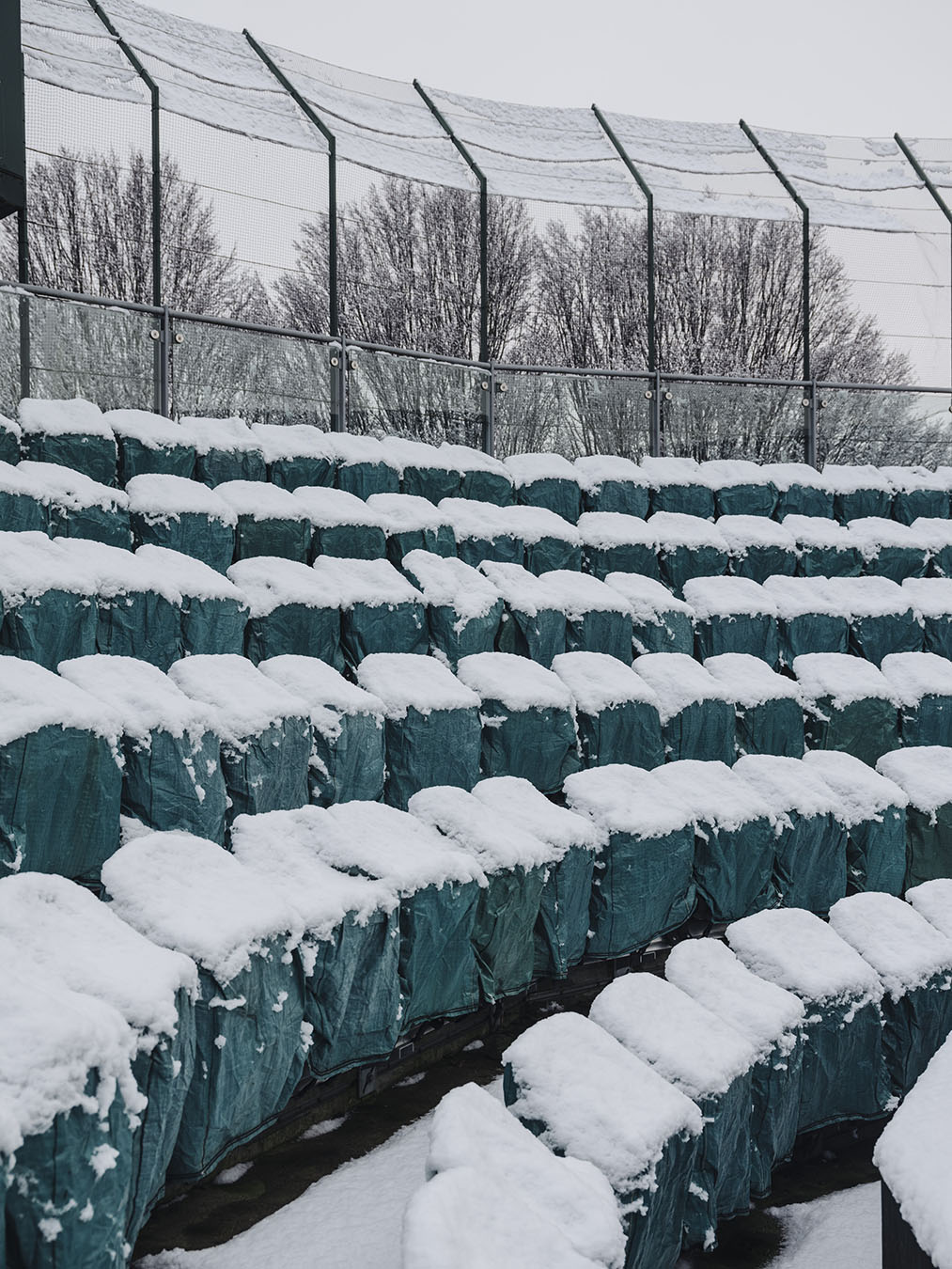
Centre Court, Wimbledon, under a cloak of snow. // Tom Parker
There’s a moment near the end of John L. Parker’s classic novel Once a Runner that’s more poignant than the climactic four minutes of running that precede it. Protagonist Quenton Cassidy has just finished first in the mile race he aspired to win from book’s beginning, chasing down a far more accomplished rival in the last 100 meters and hammering his body into a “solid block of lactic acid” to do it. Once the pain juice sufficiently dissipates to grant him renewed control of his faculties, Cassidy is aimless. In what should be a triumphant moment, waving to the crowd to acknowledge his unlikely victory, Cassidy thinks, I have nowhere to go.
I’ve been thinking about this moment in the aftermath of an even more testing physical accomplishment in my own life: watching the 2025 tennis season, mostly from the comfort of various beds, sofas, and chairs. I enjoyed this season from first ball to last, even the usually boring ATP Finals. Tennis is compelling to watch for the same reasons as other sports—we can live and die with our favorites, scream at moments of excruciating tension, appreciate an unexpected hero’s journey from a previously unknown player. But its greatest charm, the reason it is so fiercely beloved by those who never watch anything else, is that it runs for damn near 11 months of the year. There is always tennis to watch, some tournament, on some continent, in some time zone. There’s even tennis to watch right now, if you can get past the frustrating lack of stakes in the exhibitions top players tend to pack their offseasons with. Such a reliable source of entertainment fosters relationship and routine: checking scores in the morning from tournaments I’m not even watching, opening the Tennis Channel during dead hours of the day, calling a friend after a particularly electric match. With the season over, I lack an adequate substitute on which to spend my time.
Juan José Vallejo, a writer with a gift of observing the more nuanced reasons why tennis points unfold the way they do, once articulated this particular feeling for me, quoting a friend he used to host a podcast with: “Tennis is the best sport for people with addictive tendencies.”
“And it’s true,” Vallejo said, “because it just offers you a continuous supply of the drug.” Vallejo’s framing made me evaluate the nail-biting habit I’d been unable to kick since I picked it up as a kid, and my pattern of rewatching old shows rather than try new ones, through a different lens.
If tennis is a drug to its diehards, the season is something like withdrawal, and a particularly difficult one for we addicts. Six weeks until the Australian Open begins? This is simply too long. Worse, the offseason experience is usually filled with tasteless mush. Without tennis to watch, our habits of checking social media and headlines remain, but the substance at the other end is lacking. Hark! The tennis Redditor who already replies to every single comment on a given page, while complaining about the community half the time, now seems to be arguing with themself via an alt account. Another player has offered a bland take on a podcast, to be seasoned and dressed up into clickbait. Sincaraz fans are debating “who the real No. 1 is” and likely won’t stop until one guy has a canyon-wide lead in points. Someone declares in the YouTube comments section that Stan Wawrinka was better than Andy Murray, actually. A decorated coach is spending his time posting pointless, provocative YouTube Shorts. The best matches, outfits, sound bites, and performances are relitigated endlessly. A vague stat called “performance ratings” circulates the internet, trying to convince you that a 6–4, 6–4 match in which the loser produced a singular (unconverted) break point was not only close but one of the best tussles of the year. I feel as if I’ve gone to bite my nails only to find that there’s nothing left on the backs of my fingertips. In unrelated news, you may send any article ideas you have over the next few weeks to owentennis11@gmail.com, now that I have written this one so early in the offseason. My kingdom for an Australian Open first round instead, even a blowout.
It’s indulgent to wallow in my withdrawal, the known price of this kind of reliance. Yet another feature of the offseason—and general season these days—is discourse about how the tennis calendar is far too long and crowded. We’ve heard a lot to that extent this year, particularly from oft-injured top players. The most commonly suggested solution is to shorten the season, but I wonder if merely reducing the number of mandatory tournaments might help maintain both players and the pleasant omnipresence of the sport that grinds them down. That there is a high-level tennis tournament to watch for 11 months of the year is a gift; what if we could make it 12 and give the players free rein to choose a manageable schedule that works for them? Complaints about the schedule would cease, and fans would feast.
I’ll spend this offseason watching old matches through glazed-over eyes and talking to friends about the happenings of the year. Remember when Mirra Andreeva looked like the best player in the world for about a month? This is not a bad fate—hell, it’s fun at times—even if it is really just a simulation of times in which tennis is actually happening. The months are probably better spent searching for somewhere new to go, something new to do, until our supply returns in January.