
Wanna Bet?
Wanna Bet?
Tennis is sinking into prediction market hell—and Pete Sampras is your guide.
Tennis is sinking into prediction market hell—and Pete Sampras is your guide.
By Owen LewisSeptember 24, 2026
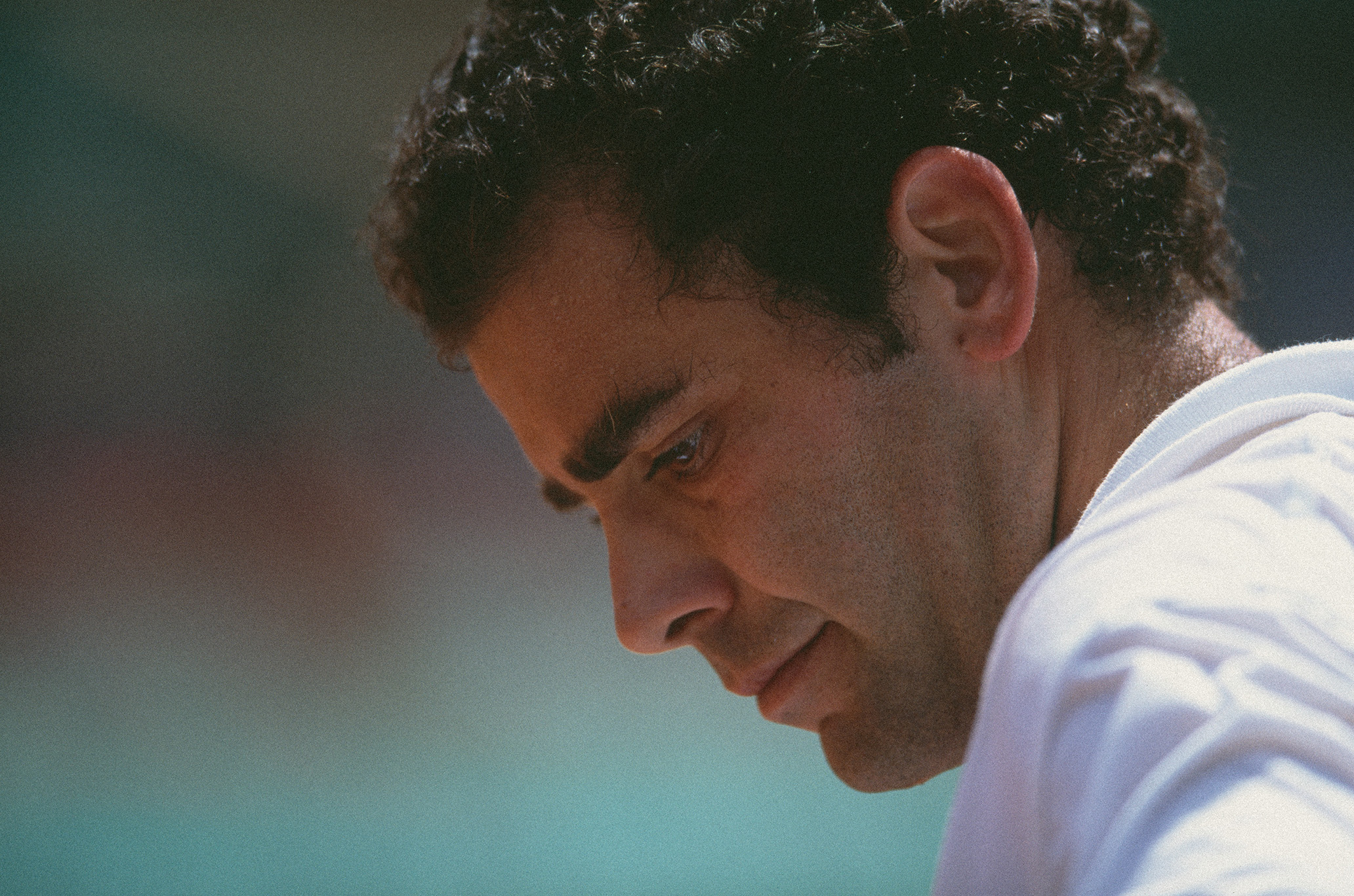
Pistol Pete turns to the dark side. // Getty
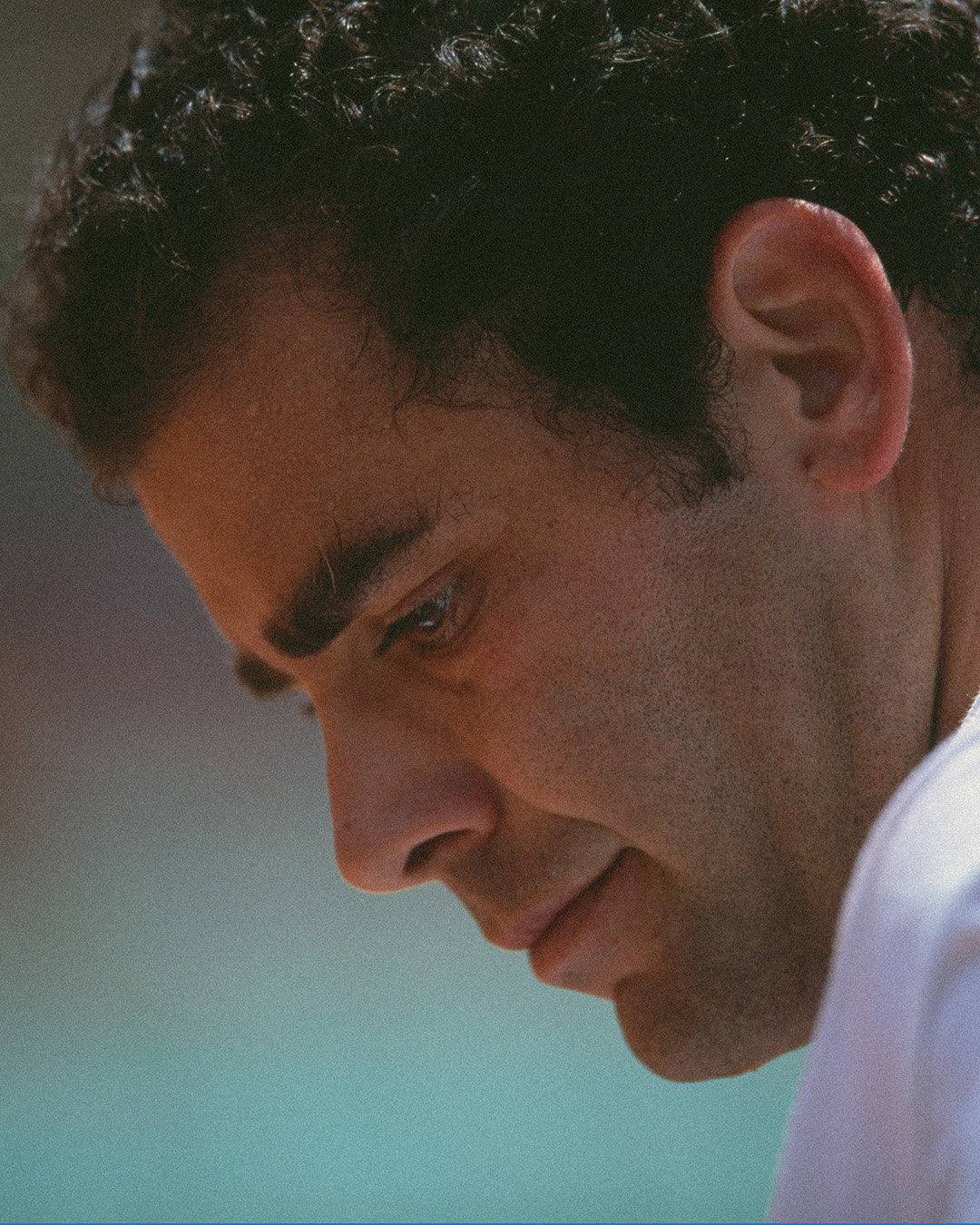
Pistol Pete turns to the dark side. // Getty
Not many athletes have stayed out of the public eye after retirement as well as Pete Sampras. It’s a rare champion who chooses silence over taking every interview in sight, where they spout quotes that clickbait farms quickly aggregate and splash onto graphics. Over the past 20-odd years, Sampras hasn’t approached the spotlight often. He played a couple of exhibitions in the aughts; in one of them, he and Andre Agassi had such a tense exchange that their doubles partners in Roger Federer and Rafael Nadal were visibly uncomfortable. The salt is still feeding various tennis fans. More recently, Sampras took to social media to ask for well-wishes to his wife, Bridgette Wilson, who’d been diagnosed with ovarian cancer late the previous year. But for the most part, Sampras has done more than enough to earn his card to the Michael Jordan club. In some ways, he’s been even more reclusive—no Pistol Pete documentary dropped right after Federer won a 15th major, no sir.
But Sampras’ latest public endeavor suggests he may not be much unlike other celebrities after all. Earlier this month, the US Open announced a partnership with the prediction market Kalshi, on which suckers can risk their money (essentially betting, though the company has insisted their model of “trading” with other users is functionally different) on anything from sporting events to the weather to the results of elections to the status of the Strait of Hormuz. Given the rampant corruption in the wake of legalized sports betting, I’m sure we can all agree that turning events that hold numerous lives in their hands into financial incentives has no possible downside. Clearly Sampras thinks that, because when Kalshi posted about the new Open partnership on social media, the ad was chock-full of old Sampras footage, and who was voicing the ad but the 14-time major champion.
Likely aware of their odious business model (though who can say?), prediction markets are adopting a Trumpian strategy: Flood the zone. It’s vital information that Donald Trump Jr. advises and invests in both Kalshi and Polymarket, and advocates for his father’s government to keep its hands off. LeBron James recently announced a deal with the latter, posting an ad in which a who’s who of celebrities appear, for as little as a second in some cases, some of whom don’t seem to fit into the sports-themed commercial—Emily Ratajkowski? Craig Robinson? Kalshi has its deal with the Open, but to them, even the humble Tennis tweeter is a potential source of marketing. Social media freelancer Bastien Fachan’s feed has been corrupted by Polymarket odds recently, which he posts as if they’re gospel. The queasy logic is easy to read on the part of both company and shill: Get enough people behind this thing, and people will associate Kalshi with their favorite personalities; if you’re just one of many bending over to advertise the prediction market, it’s harder for people to single you out and judge you.
It may be tempting to give Sampras a pass on the assumption that he needs the money from the Kalshi ad to pay for his wife’s cancer treatment, as some online have done, though that assumes he’s (a) broke (prize money made during career: $43,280,489) and (b) had no more ethically sound way to make money. What that dubious grace misses is something that gets increasingly lost as more and more celebrities partner with Kalshi: In a functional society, the company would not exist. Nobody cares about bad press anymore. A net worth that exceeds a billion dollars and a very predictable negative reaction didn’t stop LeBron from hopping in bed with Polymarket. Sydney Sweeney, fresh off multiple agonizing news cycles for dubious commercials, recently went nude to advertise a prediction market that attempted to differentiate itself by only allowing trades on sports. “Sports…sports…sports,” Sweeney repeated. Somehow it sounded like she was saying “You are in hell” by the end of the ad.
The arbiters of the downfall of society have figured out that people have a high tolerance for bullshit. I’m not sure what it would take for a sicko tennis fan to actually stop watching the sport, but at this point we know it’s more than Kalshi partnerships, Mark Petchey insisting on Tennis Channel’s BetMGM desk that Alexander Zverev’s odds to beat Jannik Sinner seem lower than he’d have thought, subscription fees, and now one of tennis’ icons debasing himself by lending his voice to a Kalshi ad. That says something wonderful about the fan’s affection for the game, but it’s also alarming, because those behind these partnerships will recognize that they can push the bar deeper into hell before losing a significant number of fans. At some point those of us who love the sport and want it to get better will have to push back. This might be a good way to start: The next time new USTA CEO Craig Tiley or Sampras ducks into the public eye, someone needs to ask them why they participated in an ad for a company that had to clarify it does not “offer markets that settle on death.”
Vaguely disquieting, Kalshi keeps its vigil over Beverly Boulevard in Los Angeles. // David Bartholow
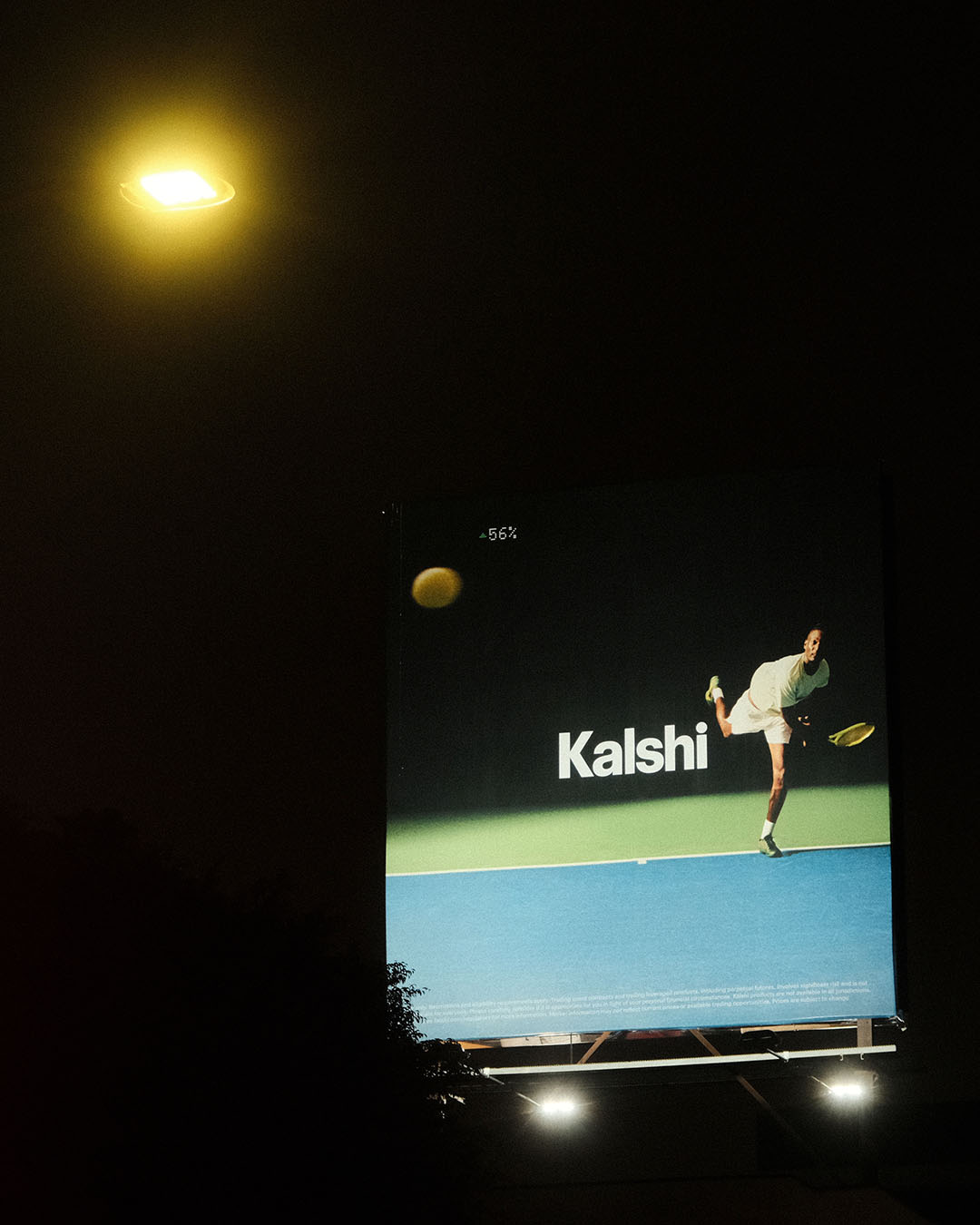
Vaguely disquieting, Kalshi keeps its vigil over Beverly Boulevard in Los Angeles. // David Bartholow

PURE, ORIGINAL TENNIS — SIGN UP!
RECOMMENDED
Zac Farro: Life Preserver
CULTURE & ARTS
Coco Gauff: Prophecy in Progress
ATP & WTA