A Return to Love
A Return to Love
Joe Salisbury comes back from a mental health hiatus.
Joe Salisbury comes back from a mental health hiatus.
By Simon CambersApril 21, 2026
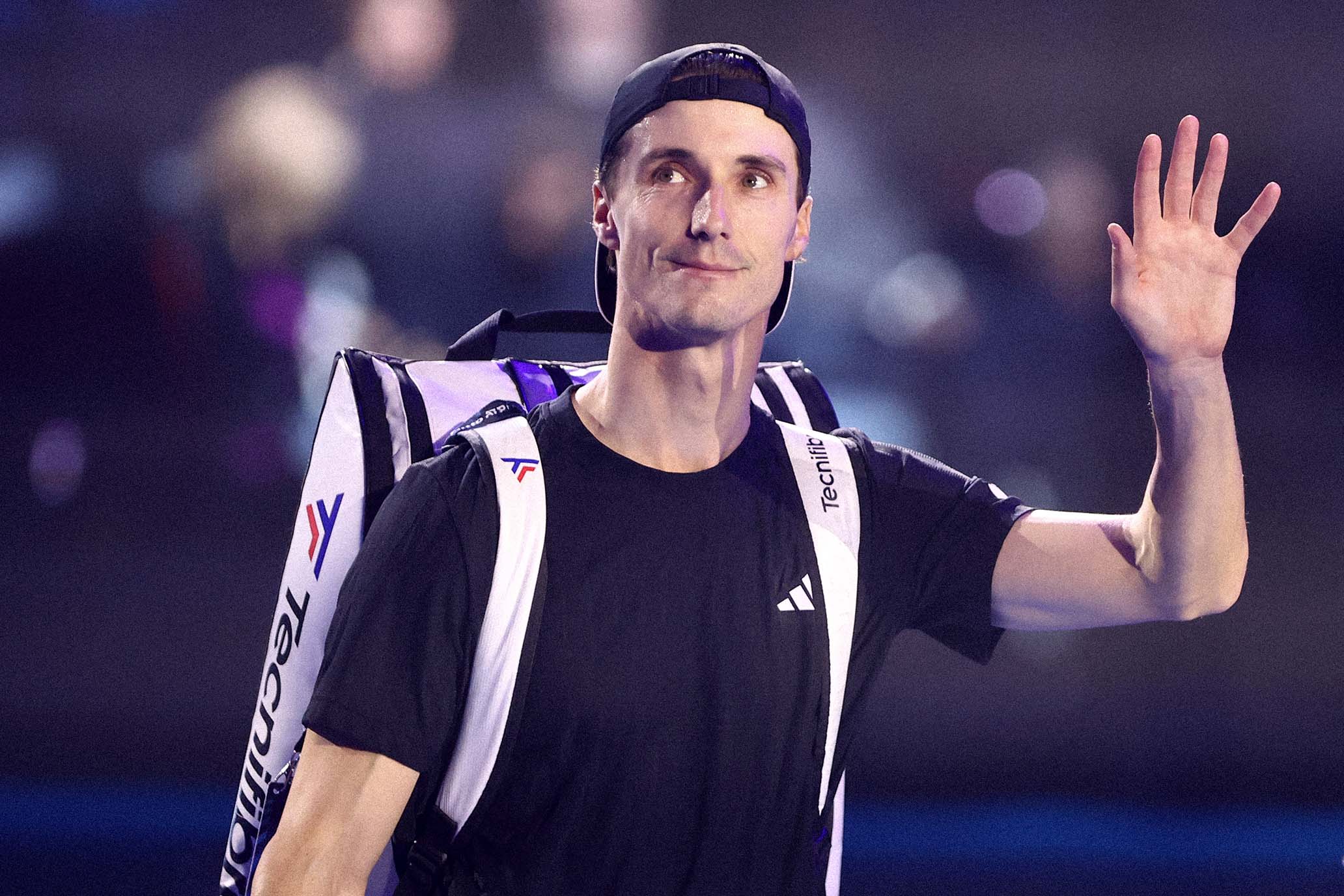
Joe Salisbury at the Tour Finals in Turn last fall, where he made the finals with partner Neal Skupski. // Getty
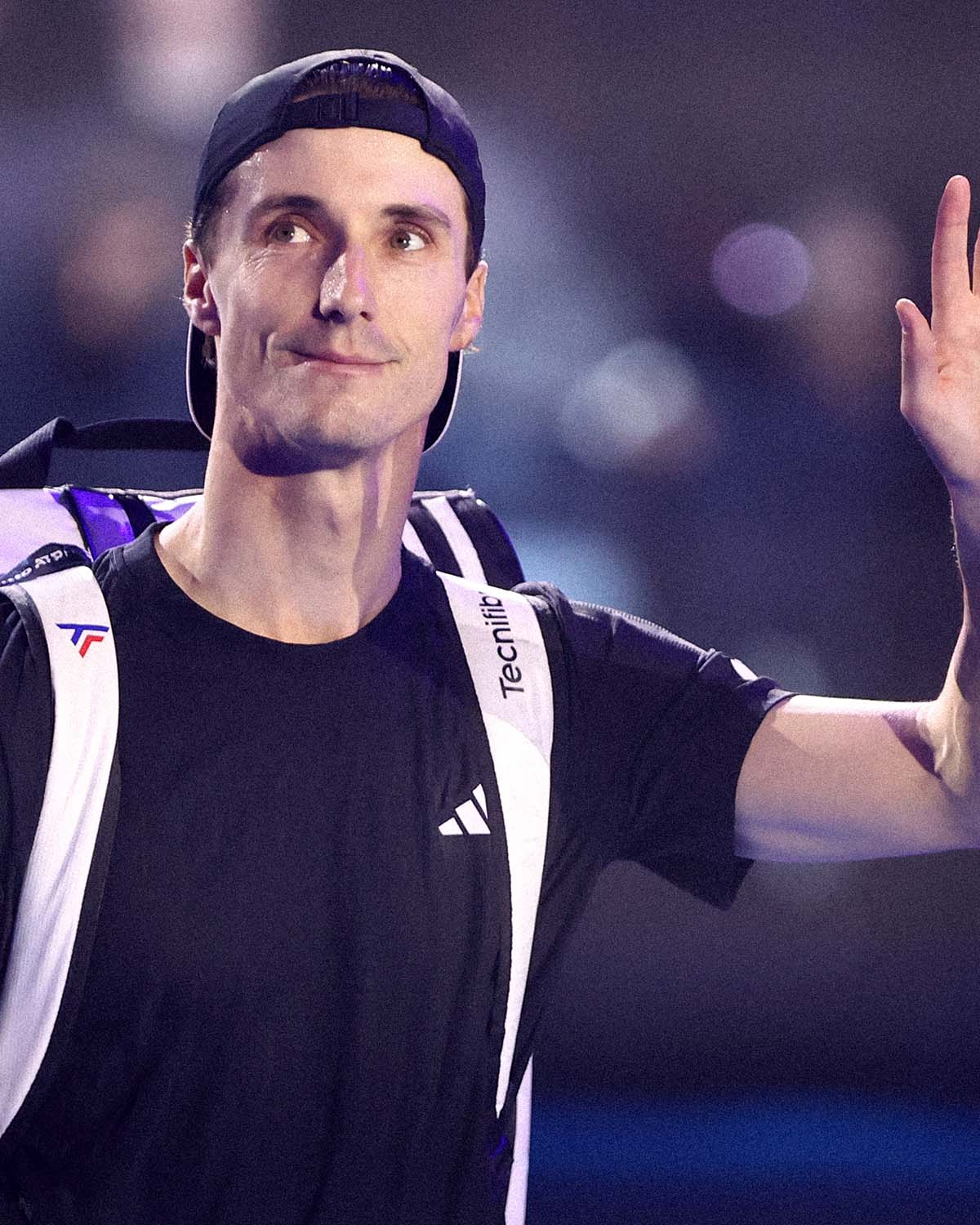
Joe Salisbury at the Tour Finals in Turn last fall, where he made the finals with partner Neal Skupski. // Getty

Last year, Joe Salisbury reached two Grand Slam finals and four other finals on the doubles circuit, including the ATP Finals. The former world No. 1, who has seven majors to his name, was seemingly in top form and excited about his partnership with Neal Skupski, his fellow Briton.
It was at the ATP Finals in Turin, though, that Salisbury revealed something that had apparently been brewing for a while: He was suffering from acute anxiety and would be taking a lengthy break from the sport. It was a revelation that would resonate with many other tennis players, not to mention sportsmen and -women around the world. In an age when there are cameras everywhere and when social media allows fans to access their favorite players more than ever, players are under a lot of stress. And the fact is, you can never tell what’s going on in someone’s mind.
Mental-health-related issues, from depression to panic attacks, anxiety to burnout, are commonplace in society, and Salisbury is just one in a long line of players to suffer. Naomi Osaka, Amanda Anisimova, Bianca Andreescu, Andrey Rublev, Marketa Vondrousova, and Emil Ruusuvouri are among a growing number to detail their challenges.
It was only when Salisbury chatted with the BBC’s Russell Fuller, after the Turin final, that he revealed what he had been going through, detailing episodes of heart palpitations, feelings of dread, and feeling sick to his stomach with fear. Like Osaka and Anisimova before him, he needed a break, and so he did just that, focusing on his personal life—he got engaged to his girlfriend in January—and getting help. Too often tennis is talked up as a “survival of the fittest,” with any hint of weakness frowned upon. Salisbury, who is back on the tour with a new partner in Francisco Cabral, had not originally intended to be so open about his issues but is happy that he did.
“I guess I probably shared more than I was planning to at the time, but I don’t think that was a bad thing,” he said in an interview in Monte-Carlo earlier this month, his first tournament back. “I had a lot of messages of support from people, either just offering support or people saying they’re going through similar things, so I think being honest about things is never a bad thing. Sometimes it frees you up to deal with it and to accept it. I think lots of the time we try to hide the things that we don’t like about ourselves or maybe feel ashamed about. But I think often just being open about these things makes it easier to deal with and often helps other people as well.”
Salisbury didn’t find the actual act of playing tennis difficult; after all, he and Skupski reached six finals last year, and he ended the year ranked No. 10. Instead, it was behind the scenes, often during long periods away from home, where the anxiety ramped up.
“It was mostly around the tennis,” he said. “Often, once I got on the court—you kind of get yourself in a performance state, which is maybe slightly different to your personality and character off the court—often, I would be feeling okay. Not all the time, but it was more just around the tournaments, around the matches, where I’d not be feeling good and had to deal with it.”
Salisbury has tried medication but doesn’t like it. “I did have some, which I got prescribed if I wanted or needed to use it, but I don’t like to, and I’ve only ever tried it a few times, so normally I don’t take it,” he said. Instead, he has turned to experts for help on the mental side, as well as his coaches. Now, though he knows there may be tough patches ahead, he believes this year will be better than last.
“I feel better now,” he said. “I feel good. I feel like I’m more equipped to deal with it and hopefully to overcome it. I think it’s a big thing for me that I want to be able to deal with it and be comfortable with it. It’s probably not something that will ever completely go away, but I feel like it’s a challenge that I want to face and to become happier, kind of on and off the court, with my tennis, and…whether I play tennis for another year, two years, five years, whatever I want that to be, [I want it to be] because I decide that it’s the right time to stop for other reasons, not because of this.”
The support from other players, as well as people inside and outside of tennis, was enormously helpful. Now Salisbury wants to help others who are going through something similar.
“Of course, I’m happy to talk to anyone about it,” he said. “I’ve experienced it for quite a long time and had to deal with it in lots of different situations, and I think I’ve become quite good at managing it. I’d be happy to speak to anybody or to help anybody else that wanted to.”
Salisbury is enjoying the energy that Cabral brings to the court but admits he would like to play with Skupski again at some stage. “I was kind of saying to Neal, it’s up to him. Obviously, he started the year with Christian, and they won the Australian Open, so they are going to stay together for the year. But I really enjoy playing with Neal. So, in the future, maybe we’ll team up again.”