Stress Test
Stress Test
Arthur Fils is up to the task.
Arthur Fils is up to the task.
By Giri NathanApril 20, 2026
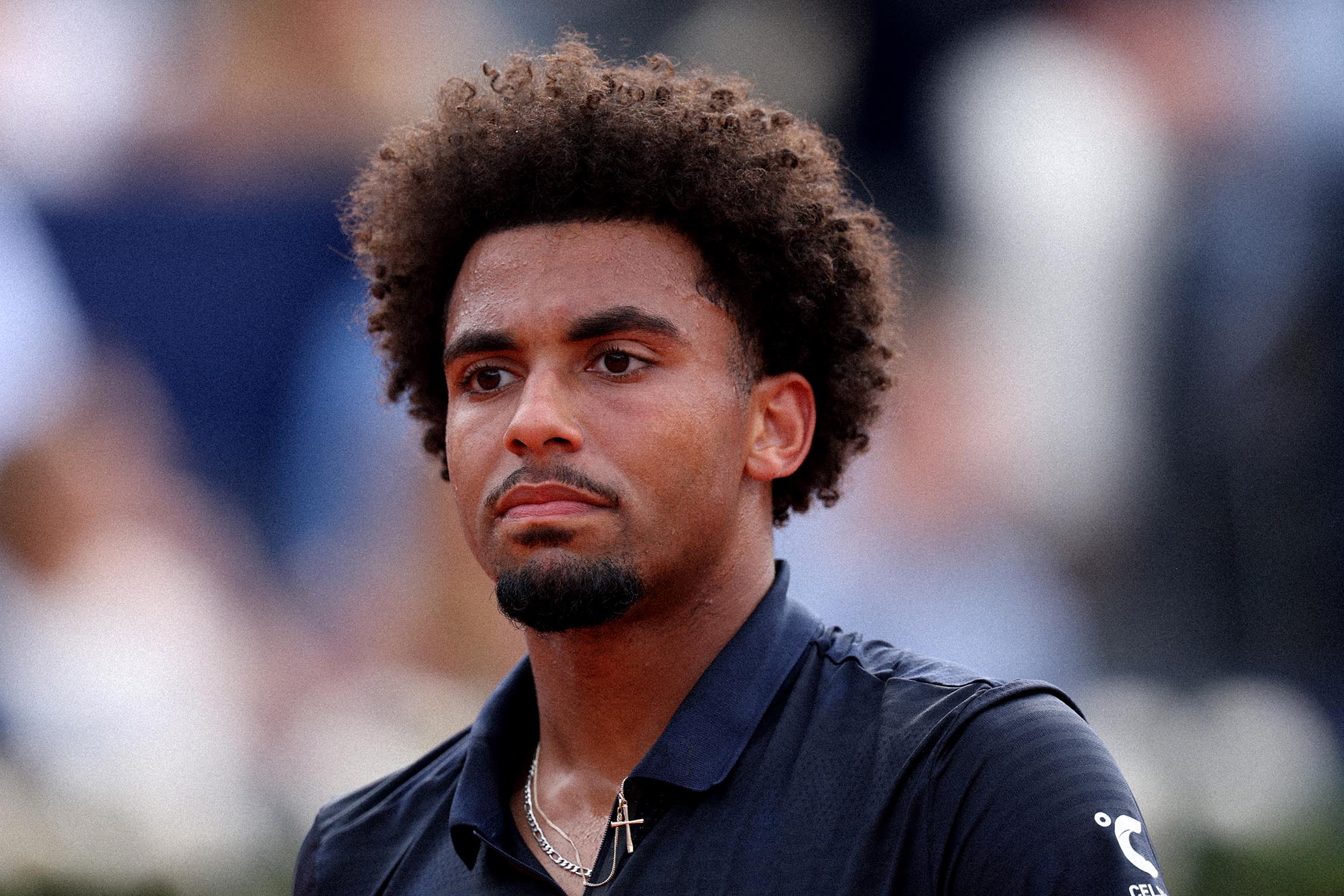
Arthur Fils during the Munich final, in which he defeated Andrey Rublev. // Getty
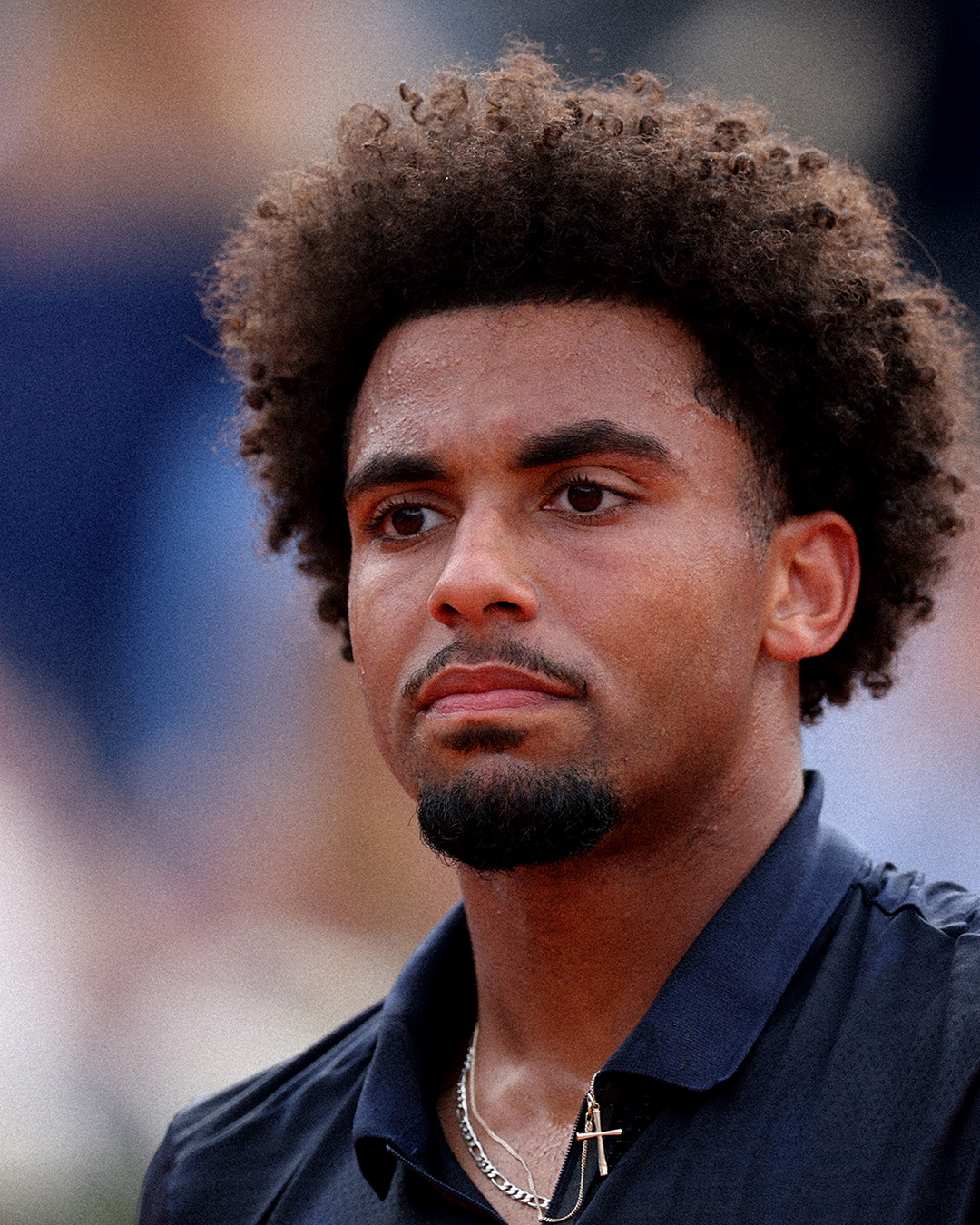
Arthur Fils during the Munich final, in which he defeated Andrey Rublev. // Getty
I’ve seen just one live match at an ATP tournament in 2026, and what dumb luck that it was the Arthur Fils victory over Tommy Paul in the Miami Open quarterfinal. Two of the best all-around athletes in tennis found themselves in a battle with the narrowest margins and the finest shotmaking. Zero breaks of serve, a flurry of 100 mph ground strokes, and to decide it all, a third-set tiebreak, where Fils heroically erased four straight Paul match points and stole the win, 6–7(3), 7–6(4), 7–6(6). Even Miami’s stadium-within-a-stadium, which can often feel so desolate and misshapen, was full of real energy. Easily the best tour match of the year for me and the loudest possible reminder of the talent of the 21-year-old Frenchman.
I needed the reminder because of how long he’d been absent from the court. Fils arrived at Roland-Garros last year at a career-high ranking of No. 14, but also with full awareness that he had a stress fracture in his back. He chose to stick around and win two rounds anyway—his first-ever victories at his home Slam—and only then withdrew from the tournament. Fils had dealt with back issues as a teenager, so it was an injury he felt familiar with, though as he later admitted in an interview with French outlet 20 Minutes, that familiarity might have led him to “skip some steps” in his return to action. After withdrawing in Paris he was back on tour just two months later in Toronto. And after just two matches in Toronto he shut it down again. It would be eight more months before he returned for good.
This time, he gradually built his body back, rushing nothing. And with his team, Fils plotted out ways to make his ultraphysical game style easier on his back—changing certain stances, not overrelying on kick serves—though he said that implementing these changes fully would take time, because he’d been playing a certain way for 15 years. What we’ve seen in the past few months bodes very well for the next 15 years.
Since returning in February, Fils has filled a certain void on the ATP. If the search for a challenger to the Sinner-Alcaraz duopoly feels futile, it’s because the parameters are so ridiculously strict. With their supercharged style of play, Sincaraz have raised the standard of athleticism on the ATP, such that any realistic challenger would need to have both top-end speed and top-end power, two traits that rarely coincide in the same athlete. Scanning the players younger than them, you can see Learner Tien (with the speed but not the power) or Joao Fonseca (the power but not the speed), but in Arthur Fils you can see both at the same time. It’s not even that Fils has played the most convincing matches against the two tyrants of the tour so far, because he hasn’t; it’s that at his best, he possesses the right physical and technical attributes to stress-test them in the years ahead.
Though he’s not quite there yet. Fils returned to tour in February, sporting a forehand with a shortened takeback. In just his third tournament back, he made the final in Doha—where he lost to Alcaraz in 50 minutes, if you needed to throw some ice water on the notion in the above paragraph. But he’s kept up those deep runs at every event since. Quarterfinals in Indian Wells, semifinals in Miami, and now a win in Barcelona, his fourth ATP 500 title. Watching him play the championship match against Andrey Rublev, I could see the gulf between these two as players. Where Rublev is a one-dimensional attack, a world-destroying bweh forehand attached to a serviceable two-hander, Fils did damage on both wings, playing with magnificent shape and moving much better to boot. Watching Fils on clay, in fact, reminded me of the golden days of Dominic Thiem. Can you see it? A fleet-footed RPM monster, never out of the rally, willing to trade body blows until medical death, capable of winners that clear the net by 10 feet. It’s a game style that few are physically stout enough to even attempt, but Fils, at just age 21 and freshly returned from injury, appears to be up to the task. Perhaps he, like Thiem, can occasionally defy the gods of his own era, even if he can’t unseat them completely.