Twists and Turns
Twists and Turns
Jannik Sinner is in the ascendency in his rivalry with Carlos Alcaraz.
Jannik Sinner is in the ascendency in his rivalry with Carlos Alcaraz.
By Owen LewisApril 13, 2026
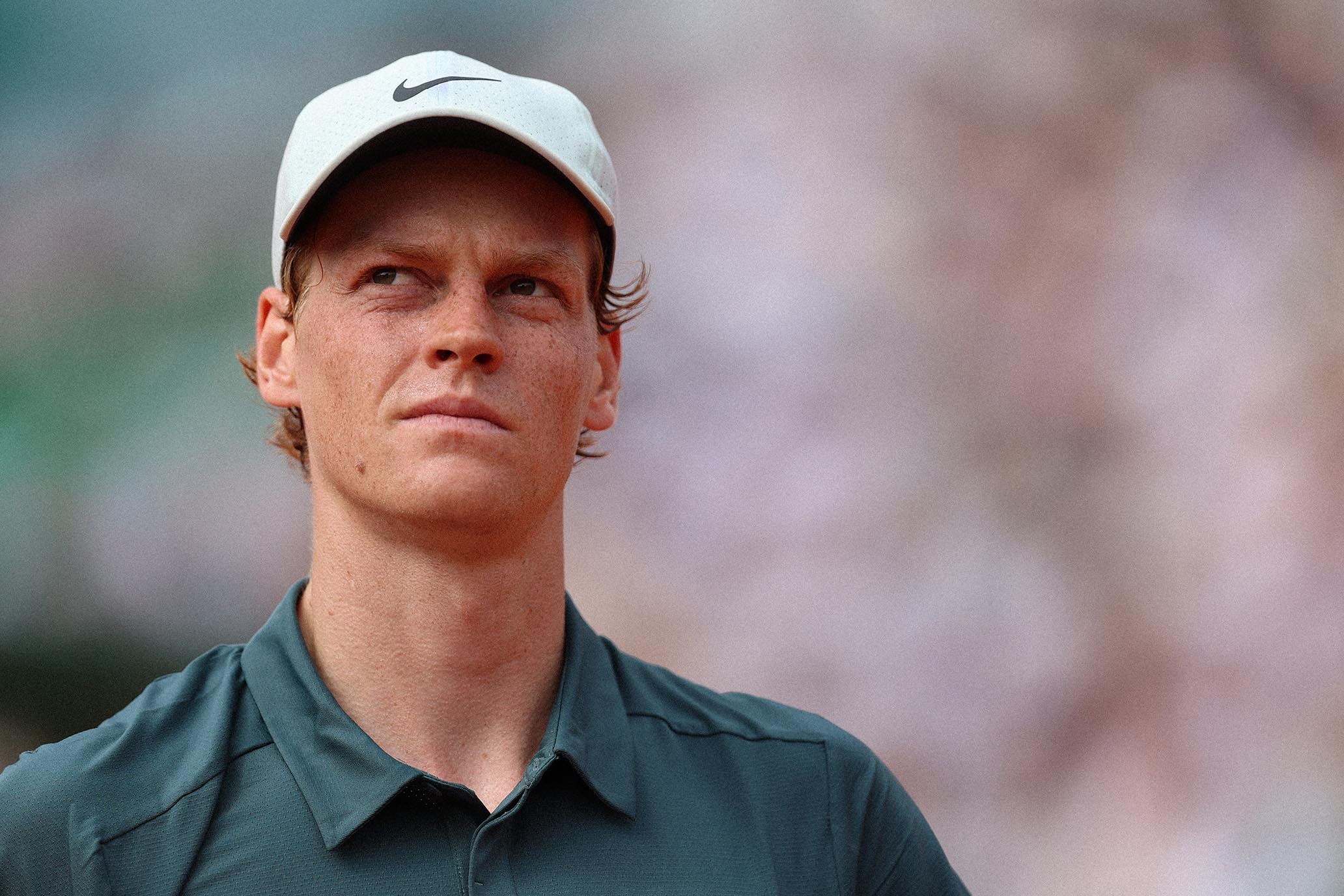
Sinner is a winner in Monte Carlo. // Getty
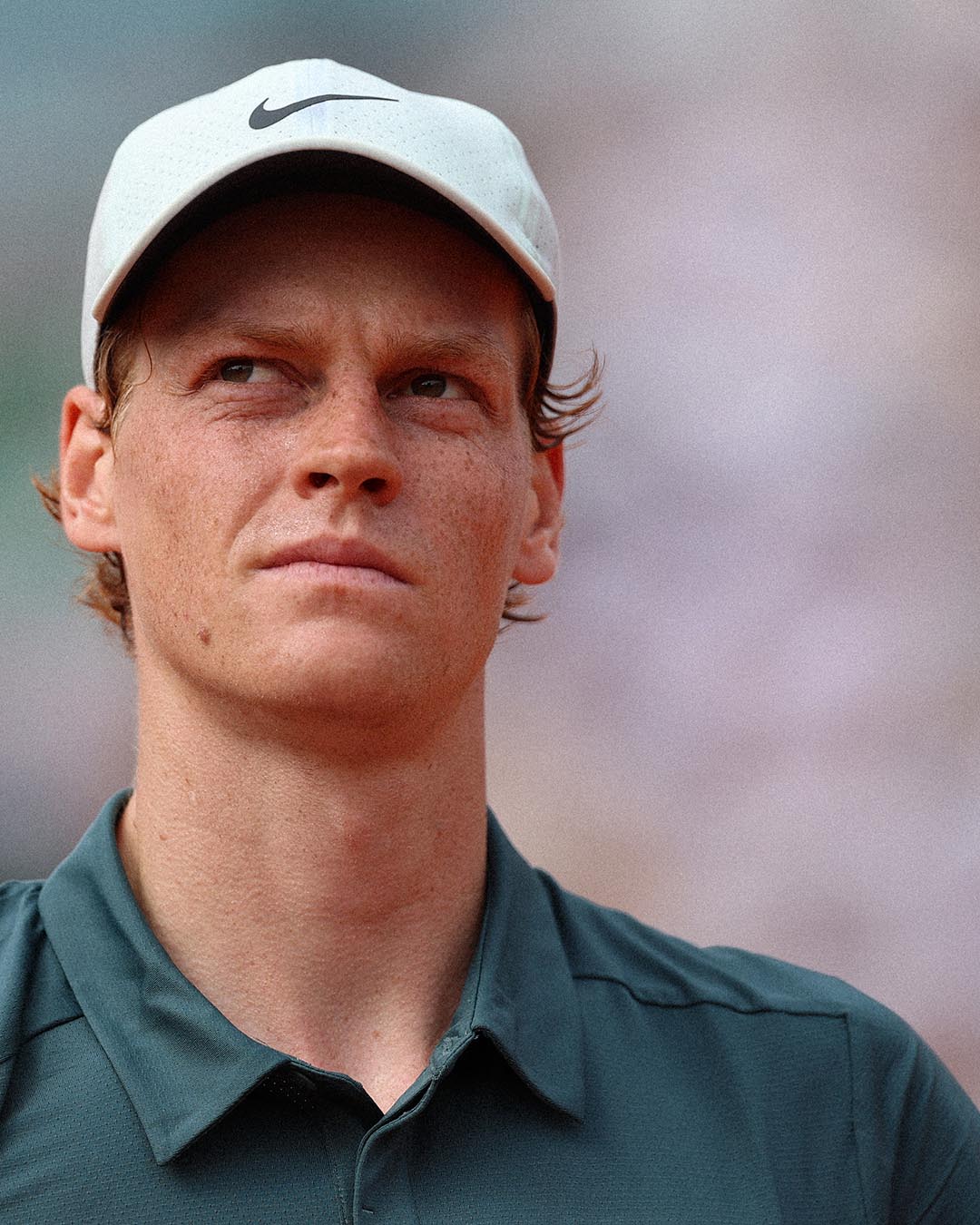
Sinner is a winner in Monte Carlo. // Getty
Of course the weather for the Monte-Carlo final was awful. We’re always hearing about how this is the most picturesque spot on tour, and it’s hard to argue. On the Tennis Channel this week, we were greeted on changeovers by wide shots of the swaying Mediterranean sea shining with a blue to rival the Australian Open’s hard courts, enveloping the Monte-Carlo Country Club tennis courts embedded into the cliffs. It feels appropriate that after all that view porn, and all the hype for 2026’s first Carlos Alcaraz–Jannik Sinner summit, the day itself was overcast and viciously windy. Teach us to get too excited. The anticipation was inescapable—the last Sincaraz meeting on clay was the 2025 Roland-Garros final, a match you may have heard about—but nothing changes the mood like a stiff breeze blanketing our tennis.
Still, if not the Roland-Garros final’s equal, the Monte-Carlo final was a worthy sequel. Sinner’s 7–6 (5), 6–3 win was closer than the score and added plenty of subplots to the best rivalry of the era. A theme in this rivalry is Sinner underperforming on serve, even as he improves the shot to alarming levels. That continued today—he made 51 percent of first serves—but a new pattern is emerging of Sinner scrapping his way to wins over Alcaraz despite subpar serving. (And as Alcaraz made sure to point out in his postmatch presser, during the tiebreak, Sinner made all six of his first serves.) Jannik also pummeled Carlos’ backhand until it wilted, and hung tough through what felt like a thousand love–30 and 15–30 holes on serve. After Alcaraz beat him from three match points down in Paris last year, Sinner had lost five straight to his rival, many of them thanks to deranged Carlos comebacks. Ten or so months later, his resilience has borne fruit.
I thought a lot about their last match, at the ATP Finals, yesterday. Sinner won it 7–6 (4), 7–5, but I didn’t read much into it because Alcaraz tweaked his hamstring when the match was still young and even. Now I’m wondering if the players did draw a lot on what happened that day. The points in the Monte-Carlo final looked very different—slow clay here, fast hard there—but the major beats of the matches were the same. Sinner narrowly escaped being broken at 5–6 in both first sets before winning them in tiebreaks, and won both second sets from a break down. Carlos has had the mental edge in the rivalry for a couple years now; he’d be down 9–8 in the head-to-head instead of leading it 10–7 were it not for his match point saves. Jannik might have taken it from him.
I wrote recently about how Sinner’s style tends to strip his matches of their drama and entertainment value, given the lack of available solutions for the puzzle called “an unyielding storm of nearly perfect serves and ground strokes.” But Alcaraz has always been the lone opponent against whom Sinner’s gears begin to shriek and spark. You saw it early. Sinner, unbreakable in his semifinal, unceremoniously dropped his opening service game. With a break point in hand at 4–4, Sinner missed a forehand by a mile. (I heard the thud of Alexander Zverev punching a wall.) Jannik found his first serve late in the set and masqueraded as Ivo Karlovic for a while, repeatedly thundering service winners in the tiebreak. At 6–4, he blasted a bomb down the T; Alcaraz was so far back on the return that I couldn’t see him when he made precarious contact. The return floated delicately down the middle of the court from its invisible sender, barely over the net and short in the court, there for the pummeling. Sinner somehow netted it.

Yet Alcaraz, he of the match point saves, the winner of all three of his tiebreaks on clay against Sinner in 2025, offered a thank-you gift bigger than the original present by double-faulting the set away on the next point. You can rationalize most shockingly bad tennis shots if you try hard enough: That Alcaraz return at 4–6 was really quite low, and Sinner does get tight against his rival. Alcaraz was probably spooked by the threat of Sinner’s backhand return at 5–6, not wanting to get speared by a down-the-line winner like the one Jannik had hit a few games earlier. Still, when Alcaraz’s serve landed long, I was shocked.
And the second set! When Alcaraz broke serve at 1–1 with one of those points that only he can play (look at that blue blur on the far side of the court; how does he run like that?), it felt like a turning point. It felt like we were now headed for a four-hour thriller, the kind that people who couldn’t watch would insist was one of the best matches ever after checking out the highlights. (Those of us who really did watch would annoyingly remind them of all the forehand unforced errors.) Instead, the comeback never quite got off the ground. Alcaraz streaked to 40–love at 2–1 but let Sinner drag him into a drawn-out succession of deuces; though Carlos held, it gave Jannik the confidence not to flag. Sinner’s crunching forehands didn’t let Alcaraz have another game for the rest of the match, leaving him with a groaning grocery list of missed opportunities from this match to obsess over. Typically Alcaraz is the one dishing the list out. Blame the weather, maybe, but it feels like Sinner is in the ascendancy in the rivalry.
It’s interesting, both players’ inability to shake the other. “We aspire to be as good as him and hopefully one day be better than him, but at the moment we’re chasing Carlos, and we’ll continue to do that,” Darren Cahill said of Sinner after the 2024 Australian Open. Two years and change later, Sinner’s still chasing, except he’s now three major titles behind instead of one. (Though Sinner has gained ground in other areas, like weeks at No. 1 and Masters 1000s.) Then there’s Alcaraz—he’s inflicted pretty much the maximum imaginable amount of pain upon Sinner during their rivalry, dating back to their very first match in the Challenges, which Alcaraz won from 3–0 down in the third set. And still Jannik keeps throwing improved versions of himself at Carlos and vacuuming up any tournament in which they don’t play each other with ease. He’s now won four straight Masters 1000s, with the Tour Finals thrown in for good measure, dropping just one set across all those runs. He’s the first to win Indian Wells, Miami, and Monte-Carlo (Sunshine Triple? Wind Triple?) since Novak Djokovic. He also happened to grab the No. 1 ranking back from Carlos with this win.
After a brutal loss to Djokovic in Melbourne and a puzzling one to Jakub Mensik in Doha, Sinner has won 17 straight and is back in the driver’s seat ahead of Roland-Garros, which he’s said is his biggest goal of the season. He’ll want revenge over Alcaraz for the heartbreaking loss there in 2025 and the merely nauseating one in 2024. He can also prevent his rival from winning a third straight major, after Alcaraz swiped his US and Australian Open titles. If he can’t, you can imagine the press conference: “I think Jannik did a great job to get to No. 1. He won Indian Wells, Miami, and Monte-Carlo.”

PURE, ORIGINAL TENNIS — SIGN UP!
RECOMMENDED
The Long Rally
The Hobby