Prophecy in Progress
Prophecy in Progress
Despite the pressure, the former phenom closes the gap.
Despite the pressure, the former phenom closes the gap.
By Carole Bouchard
Sept. 17, 2026
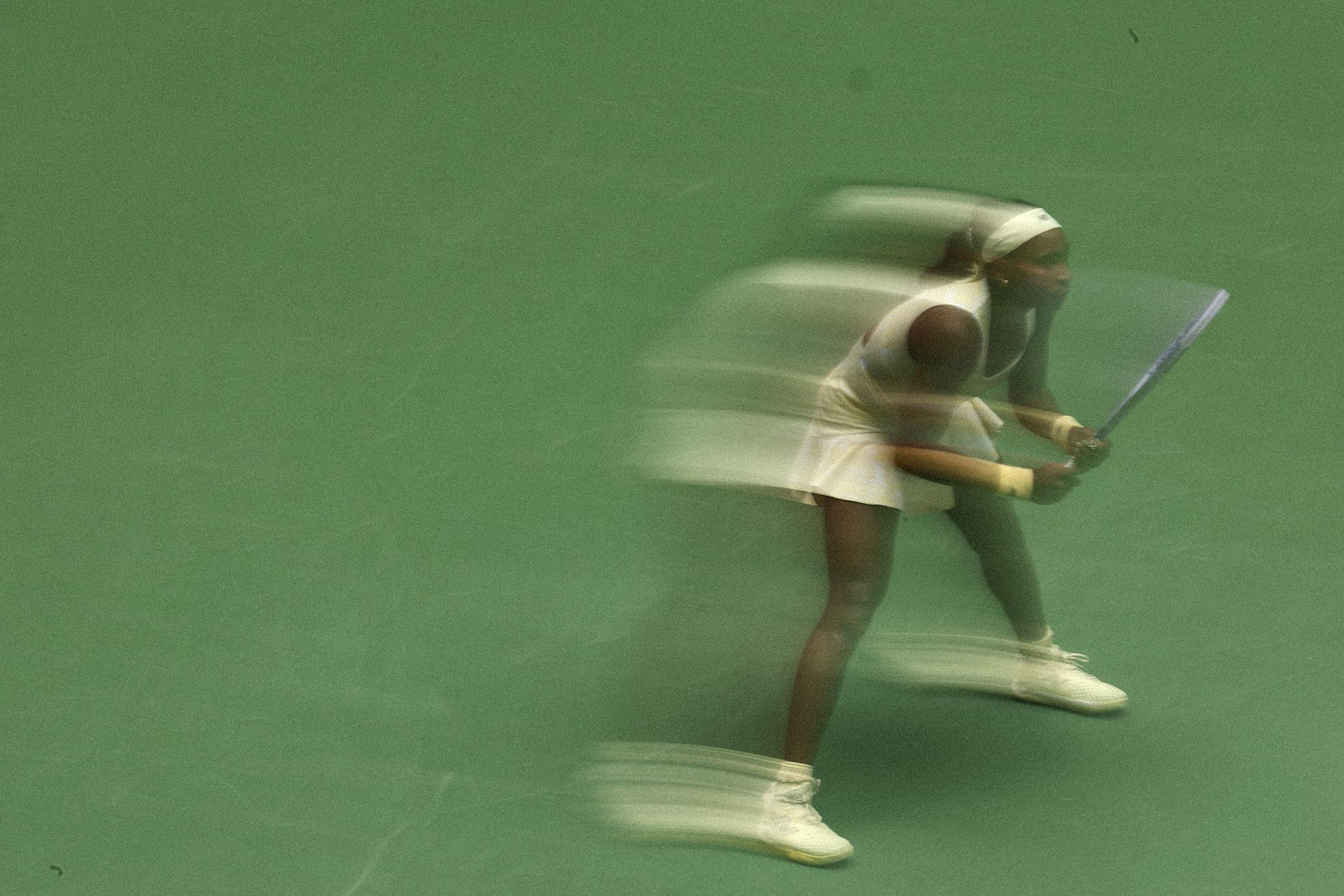
Coco's game is coming in to focus. // Getty
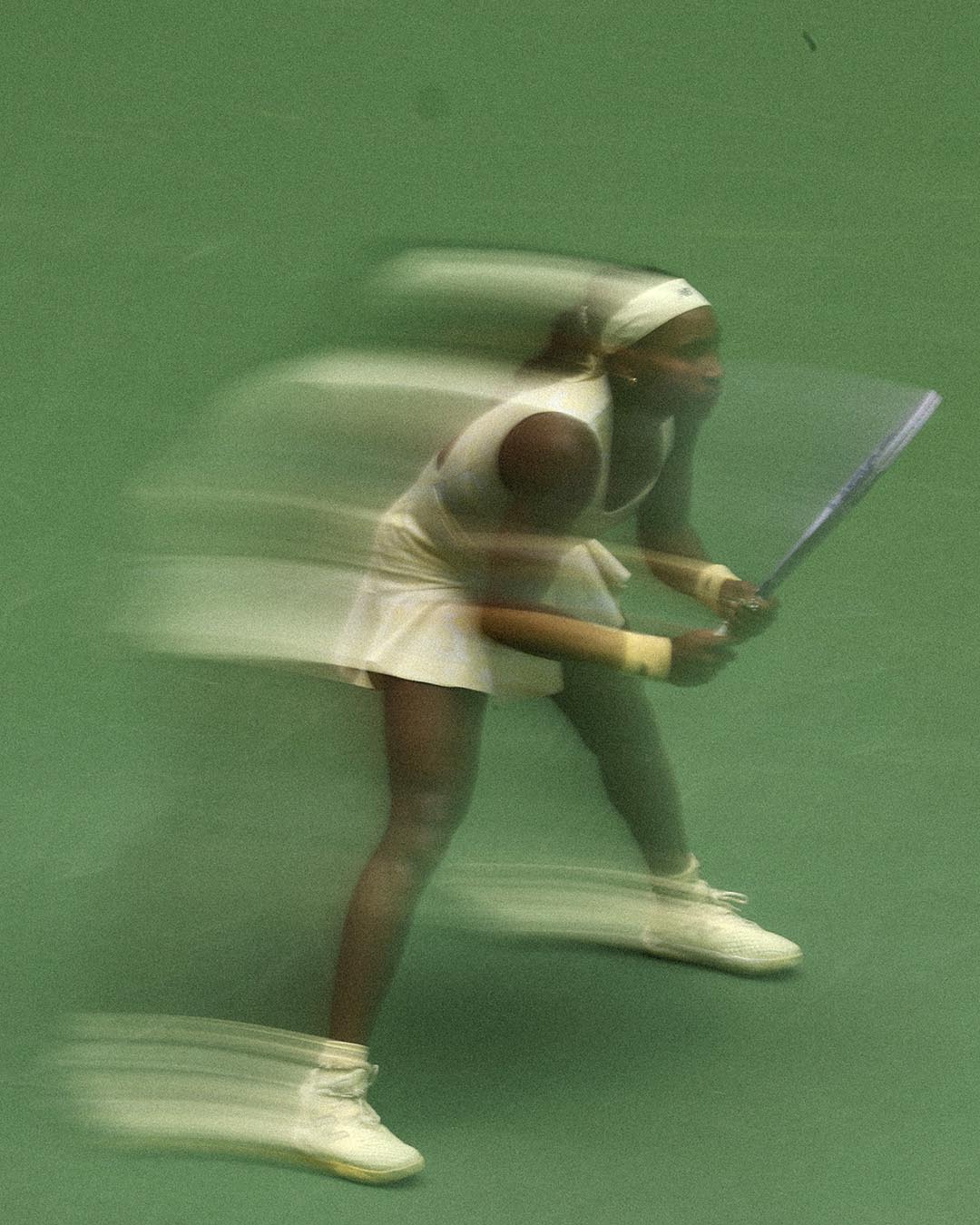
Coco's game is coming in to focus. // Getty
Coco Gauff is the Chosen One, but the prophecy is taking its sweet time to bear fruit—not that things have been going all that badly. Touted for greatness since she stepped onto the Wimbledon stage as a 15-year-old phenom, she just might be the game’s biggest name at 22. Given the outsize expectations, when Gauff’s serve and forehand started to betray her along the way, the WTA economy got a bit twitchy, and adjustments were made. Now the just-completed Grand Slam season leaves us with two truths: Gauff has significantly closed the gap between her and the Rybakinas and Sabalenkas of this world, but nevertheless the wait goes on.
By any metric, Gauff’s career is already a success. She won her first Slam—the US Open—at 19, at a time when people had been impatient for major results for years. Fans were still wondering what was wrong with her game when, at 21, she won her second, this time at Roland-Garros in 2023. By then Gauff had already won the WTA Finals and a slew of WTA 1000s, so why wasn’t she ranked No.1 yet? For the past couple of years, it’s been all about her serve and forehand struggles, despite the big trophies collected on the way. She won at Roland-Garros, outraged at her game and playing through gritting teeth. Finally, this year she did what she had to do to complete the puzzle: She fixed that serve. Gauff hired biomechanics expert Gavin McMillan, the man who got Aryna Sabalenka’s career back on track, and she went to work. We saw the tears and the setbacks, from getting three games out of Elina Svitolina in the quarterfinals in Melbourne to losing to Anastasia Potapova in the third round in Paris.
If you look at Gauff’s season and especially her Grand Slam season, you might be tempted to say there’s been no progress and that it might even be a step backward because there’s been no major titles. But I’ll strongly disagree because since Wimbledon, it has been the best Coco Gauff I’ve seen play the game, finally in control and executing the flashier brand of tennis she always envisioned for herself. She was fascinating on the grass until she missed that match point in the semifinals against Karolina Muchova, hitting through everything, serving without shaking, and unlocking a net game that will be a game changer. She’s so good there! It was like watching her have an epiphany and swing free again. “Hate me or love me, you can’t deny the progress that’s been made this tournament,” she said.
She proved things were really clicking by winning the title in Cincinnati. Gauff, the defender, found the key to go from “You shall not pass” on that bridge to “Let me kick you out of here real quick.” She entered that US Open as the favorite, and now here’s hoping that losing won’t blur her tennis reality. A year ago, against an on-form Elena Rybakina, Gauff would have been obliterated. This year, she closed the gap. She has never been closer to turning into the player the sport and its insanely high standards have been waiting for.
“This US Open will be about going back and seeing what I can improve on and what I need to try to implement in the Asian swing. I want to be a consistent player. I want to give myself as many opportunities to lift a trophy,” she said after the loss. “I think I played almost every match on my terms. The worst was maybe the quarterfinal where I fell back into some old habits [12 double faults!], but I was able to switch that. It’s confidence to continue to improve. I’m looking at the other semifinalists: They’re older than me. I’m just trying to think of how much work I put in, how far I’ve come, and now I’m excited to keep putting the work in and see where I’m at at 24, 25, and where my game can take me. Hopefully it will be on the winning end of matches like this.”
Don’t freak out, I have time has always been Gauff’s message to tennis. It also takes time to digest the technical work she’s been doing. She’s just 22. So 2026 might be a Slamless season for her, but she looks way more on track to Grand Slam regular glory now than a year ago with the Roland-Garros trophy in hand. Her game is now standing tall on its own. It’s easy to understand why we care about Coco Gauff’s on-court success: Tennis needs Coco Gauff to win more and more often. She knows it. Everybody in the game knows it, her rivals included. The game cannot afford for the Gauff prophecy to misfire. It’s a lot of pressure on one’s shoulders—unless Alexandra Eala and Victoria Mboko come to share the weight of it all.
If you want to build an ideal tennis scenario, you end up with Coco Gauff; it’s that simple. Her charisma and how outspoken she’s been for years on issues that her peers refuse to touch, even with a pole, are bringing Gen Z, media, and all the luxury brands to the WTA yard. Fans are descending in a frenzy on stadiums to watch her play, then descending on social media to talk about her, her brand deals, her magazine covers, her win, or directly to her. In off-court earnings, she was, for 2025, the most bankable female player out there, overall only beaten by Jannik Sinner and Carlos Alcaraz. It’s still the case in 2026 if you look at Serena Williams’ Forbes comeback as a unique circumstance. In the interview room, nobody talks better than she does. She overshares, she jokes, she has perspective, she suffers openly, she doubts, she fights back, she brags when she wishes. She’s real, and it works. So when tennis searches for a face and a voice, it falls on Coco Gauff before anyone else.
Gauff and her team have done everything right to follow that Chosen One playbook. She built the social media following, the media coverage, and the reputation, got bigger than tennis, made all the money, turned CEO and investor, went to Hollywood, got brands to design collections for her, wore the high fashion, and so became one of the professional athletes out there whose voice matters and scales. And yet, a crumble remains in the machine, because she doesn’t get all the wins she’d need for it to match her status. Tennis doesn’t get to see Gauff, its best business case and the leader it’s dreaming of, enough as a dominating force fighting for titles and winning them all season long, and building strong rivalries and storylines.
The WTA, hoping to be saved by the U.S. market after both China and Saudi Arabia’s deals have deflated, needs Coco Gauff’s prophecy to turn real. She’s the symbol, the blueprint, the fairy tale, the inspiration, the bridge to the mainstream, and all of the above. Nobody put this much weight on Sabalenka, Rybakina, or even Swiatek’s shoulders despite their résumé, but Gauff gets it all. Unfair, but also makes sense. The game has always needed to turn Gauff into its poster child, and so you look at the 2026 version of Coco Gauff like, damn, so close… Of course, it’s too much pressure on the champion she already is, and it says more about the state of tennis (business plan) than Gauff’s development speed. Yet prophecy and legacy need trophies, so this Major-less 2026 ain’t ideal, but what if it was the year that spurs the book of tales?