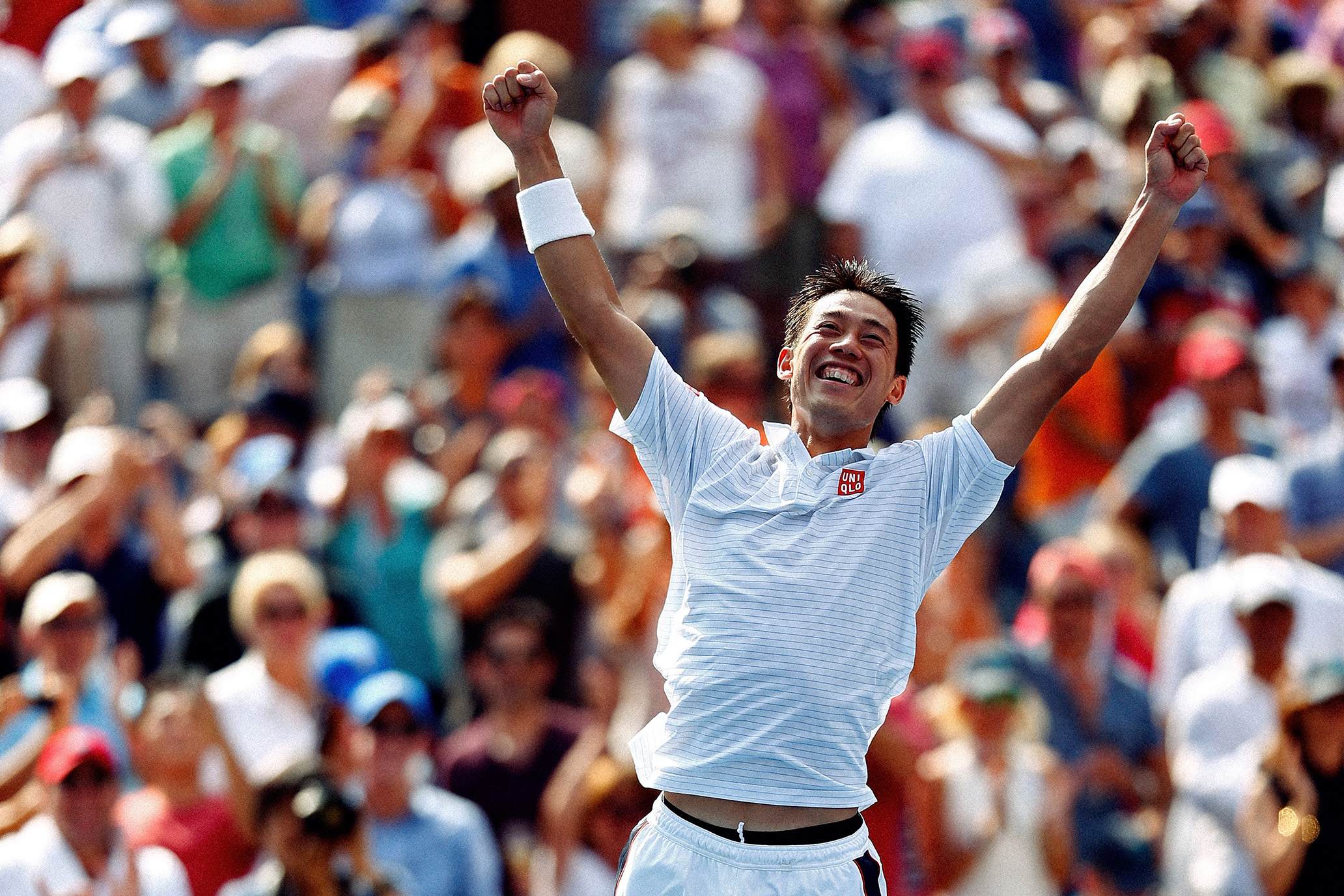
Seasonal Affect
Seasonal Affect
Like an autumn cold, the Post-US Open Blues have arrived.
Like an autumn cold, the Post-US Open Blues have arrived.
By Owen LewisOct. 2, 2026
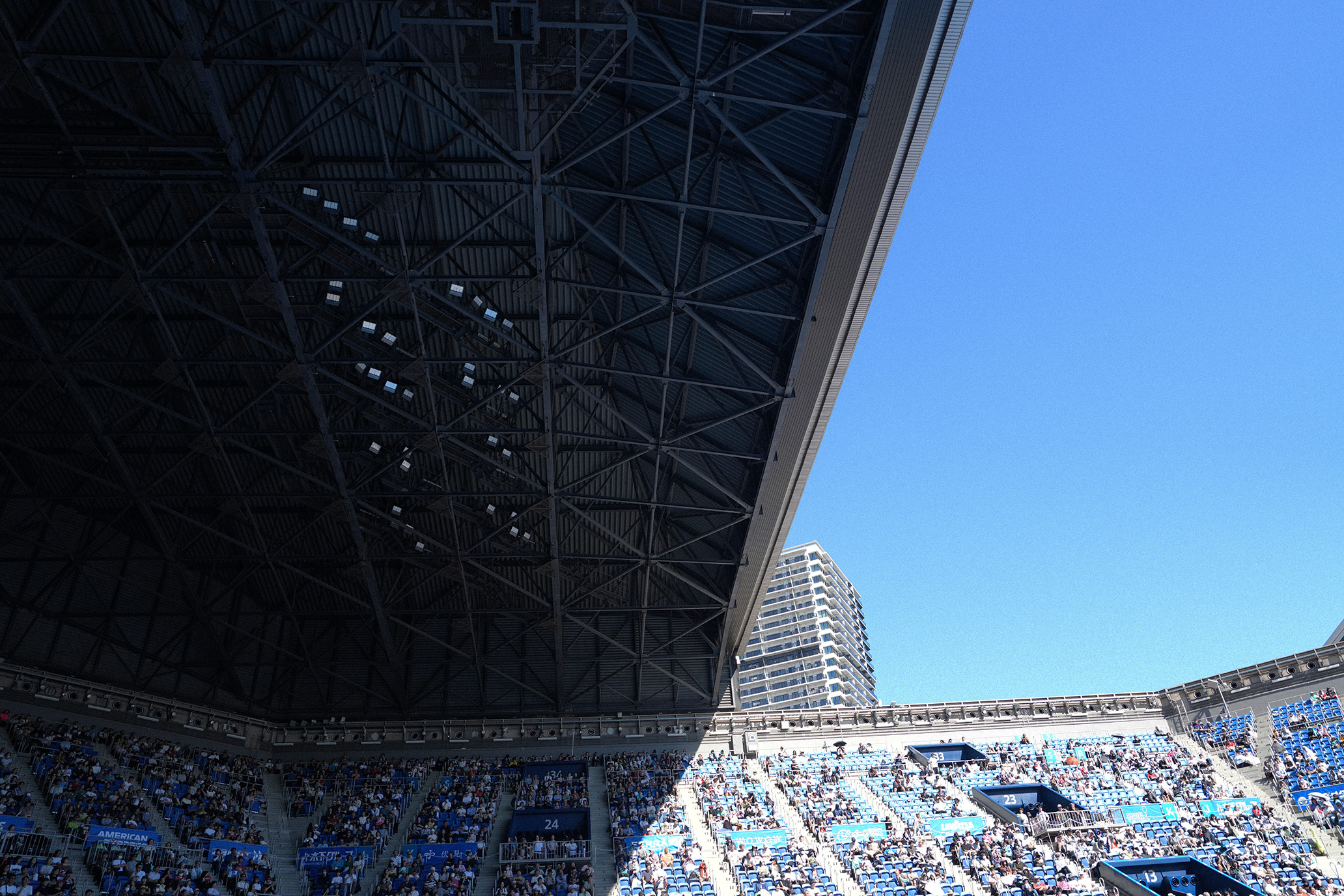
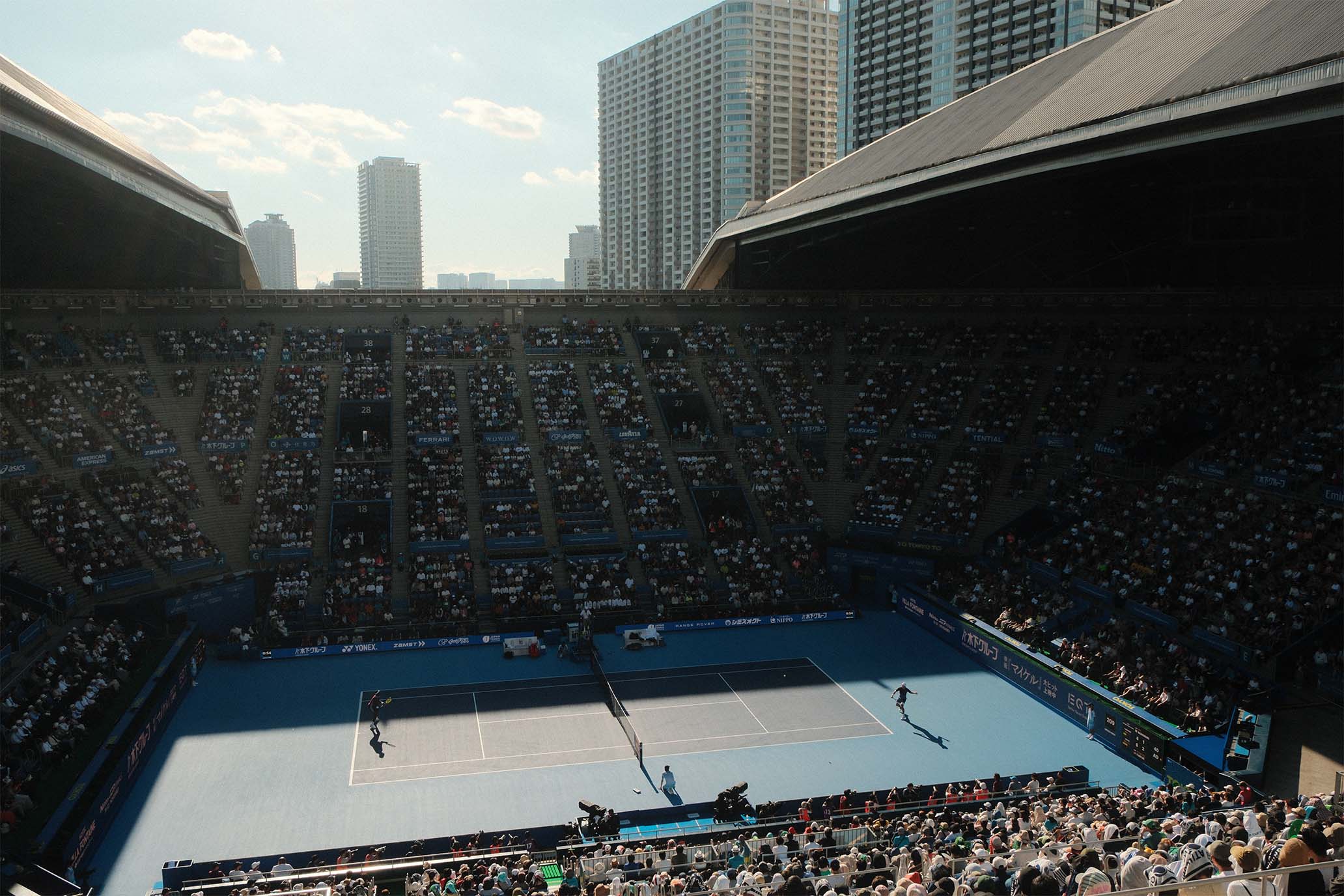
The roof is closing on the 2026 season. // David Bartholow, Tokyo
How it can feel waking up in the middle of the night to watch the Asian swing. // David Bartholow
It feels a bit scandalous that the tennis season extends beyond the US Open. This month’s WNBA playoffs, and then the NBA after it? Players are free once their postseason run ends, should they even qualify: You’ve lost your shot at the big prize, go rest up in Cancun, try again next season. Likewise with the MLB, the NFL, the NHL. I myself take most of the year off from exercise. The Open is the last of the year’s four majors, so there’s a world in which the tour hibernates till January, then rouses to get ready for the next big one, in Melbourne. Having covered the 15-day extravaganza that was this year’s Open myself—by the end, I felt like I’d stayed too long at a party—I can attest that everybody involved deserves a long break.
Alas, tennis gonna tennis. We’ve got the Beijing Open this week (WTA and ATP), with almost all of the top women in action, and a few of the dudes. Carlos Alcaraz is playing the Japan Open. After that, we’ve got Wuhan (WTA), Shanghai (ATP), Ningbo (WTA), Tokyo (WTA), and (takes deep breath) Almaty, Lyon, Brussels, Vienna, and Basel (all ATP). That only takes us to the start of November, by the way, at which point a bevy of indoor tournaments awaits.
Is anyone else a little exhausted? I’ll watch these tournaments, don’t get me wrong. (Readers of this fine newsletter know how I feel about the offseason.) But I think it’ll be with the kind of detached obligation that accompanies the last days of school in a year I’m ready to be done with. The shiniest trophies are distributed, the injuries are many, and the wanting wells of motivation and health make it hard to know how much meaning to ascribe to any result. Not that there aren’t things to watch for. Alcaraz matches remain precious this early in his comeback from more than four months off, Novak Djokovic is on constant puke watch, there’s the possibility of a match—please, God, just one match—between Aryna Sabalenka and Iga Swiatek. But the stakes are lower and weirder now than at any other point in the season.
There’s extra pressure to enjoy October, since the indoor swing is consistently the gnarliest watch of the season. I like to play on those courts—my limp forehand suffers from conditions like “outside,” my serve dies valiantly under “sun”—but they tend to flatten what’s interesting about the professional game. Indoor tournaments further amplify the already formidable power of a serve, thanks to both the controlled conditions and the quick, skiddy bounce of the courts. Sometimes an indoor court is bizarrely molasses-slow. I’m a slow-court apologist—watching the defensive player immediately neutralize their opponent’s offense at Laver Cup last week, forcing the eventual victor to employ patient attrition, was a nice change of pace from the serve-plus-one meta these days—but so deep in the overlong season, forcing players to work that hard to kill points feels sadistic.
So the quicker stuff is necessary, if not especially stimulating. I clock in, watch exhausted players trade service winners with mild disinterest for the first hour, perk up a bit for the tiebreak (the equivalent of lunchtime), then coast through the rest of the day. Sometimes you get the sense that the players are doing the same thing. In the past 16 years, the Paris Masters have produced the following: serve-and-volleyer Michael Llodra as a semifinalist; Denis Shapovalov as a finalist; Jack Sock as a champion. The tournament hosted the first ATP-level Sincaraz match in 2021, won by Carlos, who proceeded to lose in the next round, from 5–0 up in the second set, to Hugo Gaston and a rabid French crowd. He is 3–4 at the tournament since then and most recently crashed out in his opening match despite being in the middle of the finest patch of form of his career so far (the surface happened to be, for no apparent reason, clay-slow last year). At least here on the East Coast the sun is bright and the days are long. Wake me up in January.

PURE, ORIGINAL TENNIS — SIGN UP!
RECOMMENDED
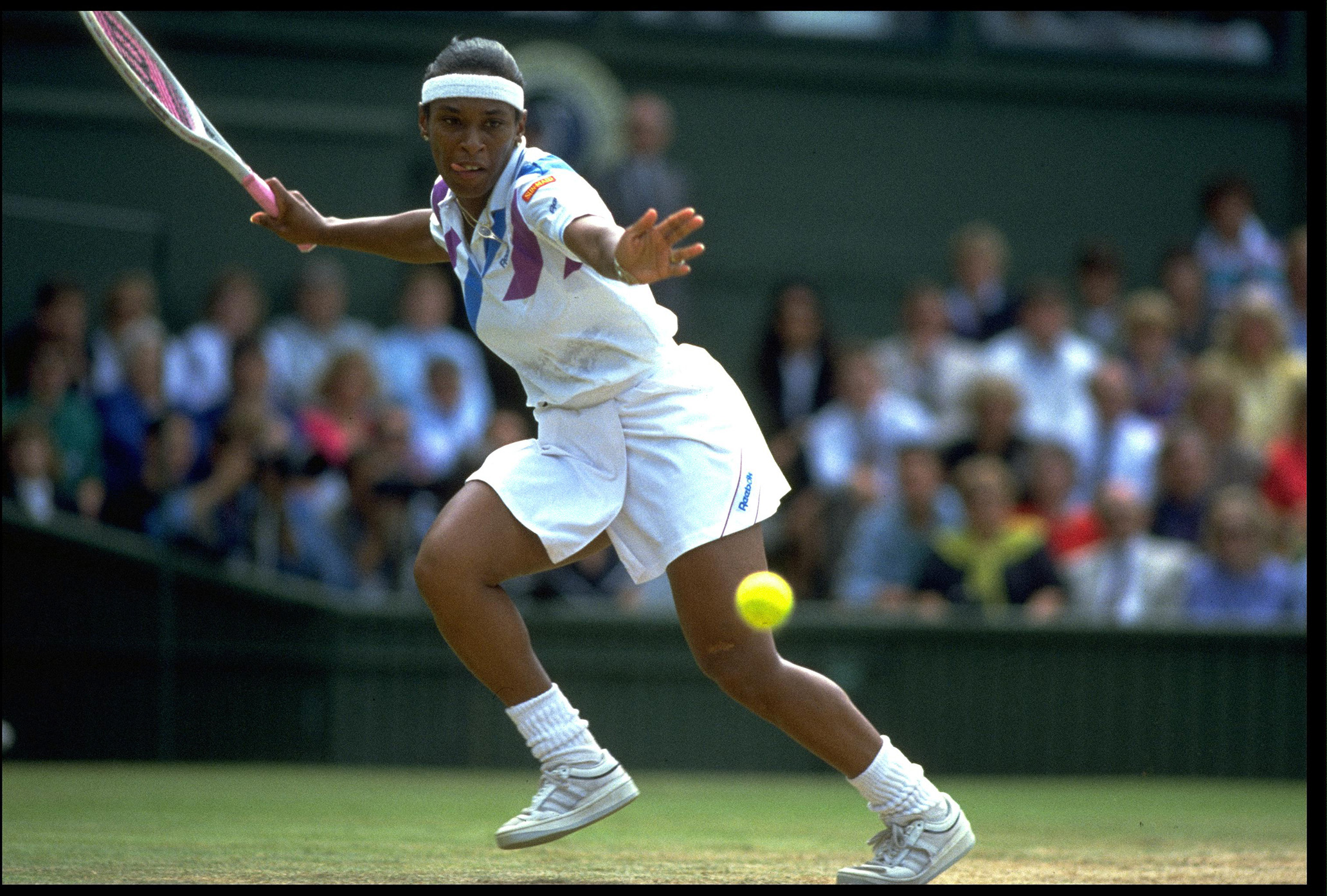
Review: Coco Gauff’s “The Zina Effect”
FILM REVIEWS
Postcard from the Japan Open
JAPAN OPEN