The Stanimal's Last Stand
The Stanimal's Last Stand
There was nowhere to hide against peak Wawrinka.
There was nowhere to hide against peak Wawrinka.
By Giri NathanAug 28, 2026
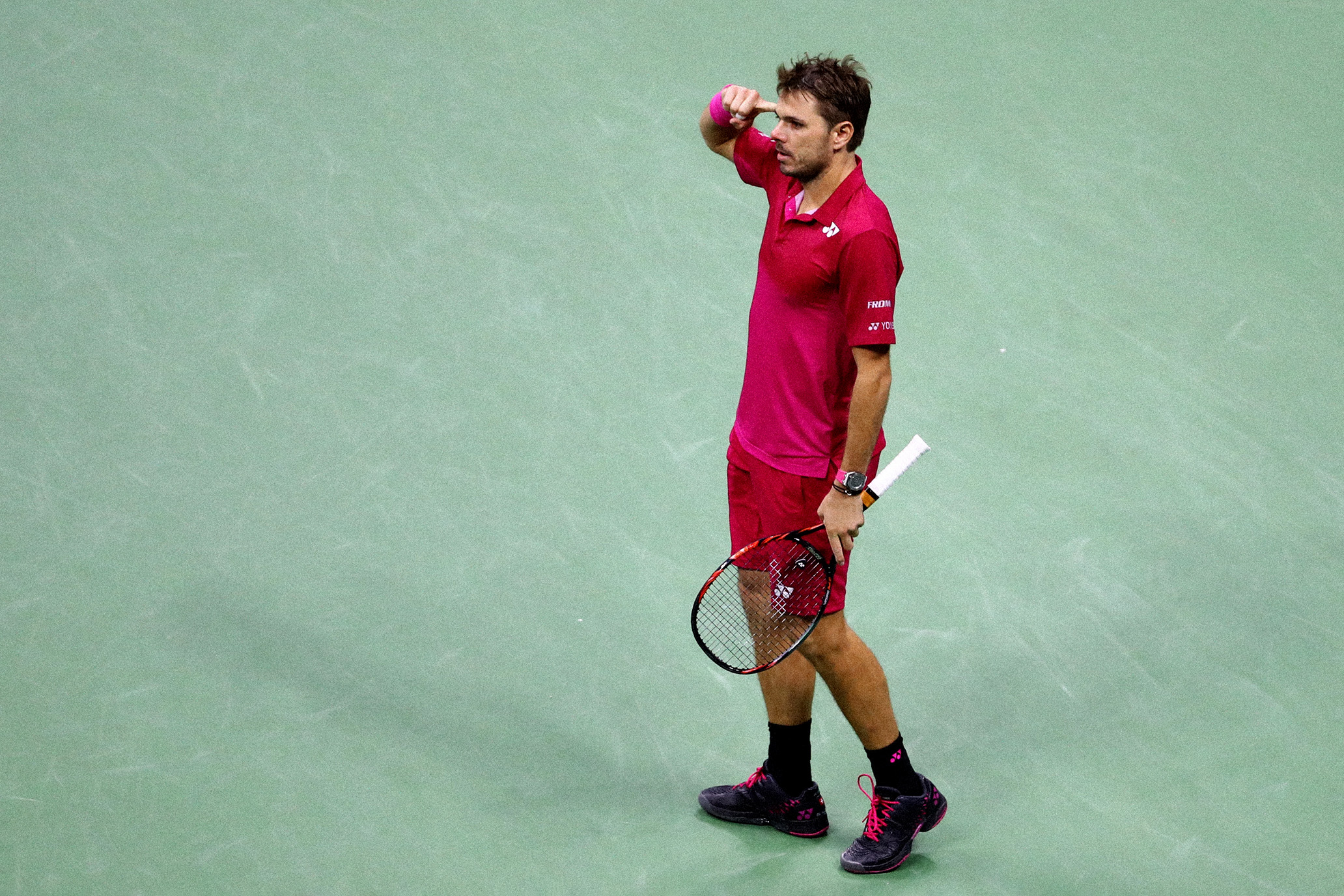
Stanimal instincts during the 2016 US Open final. // Getty
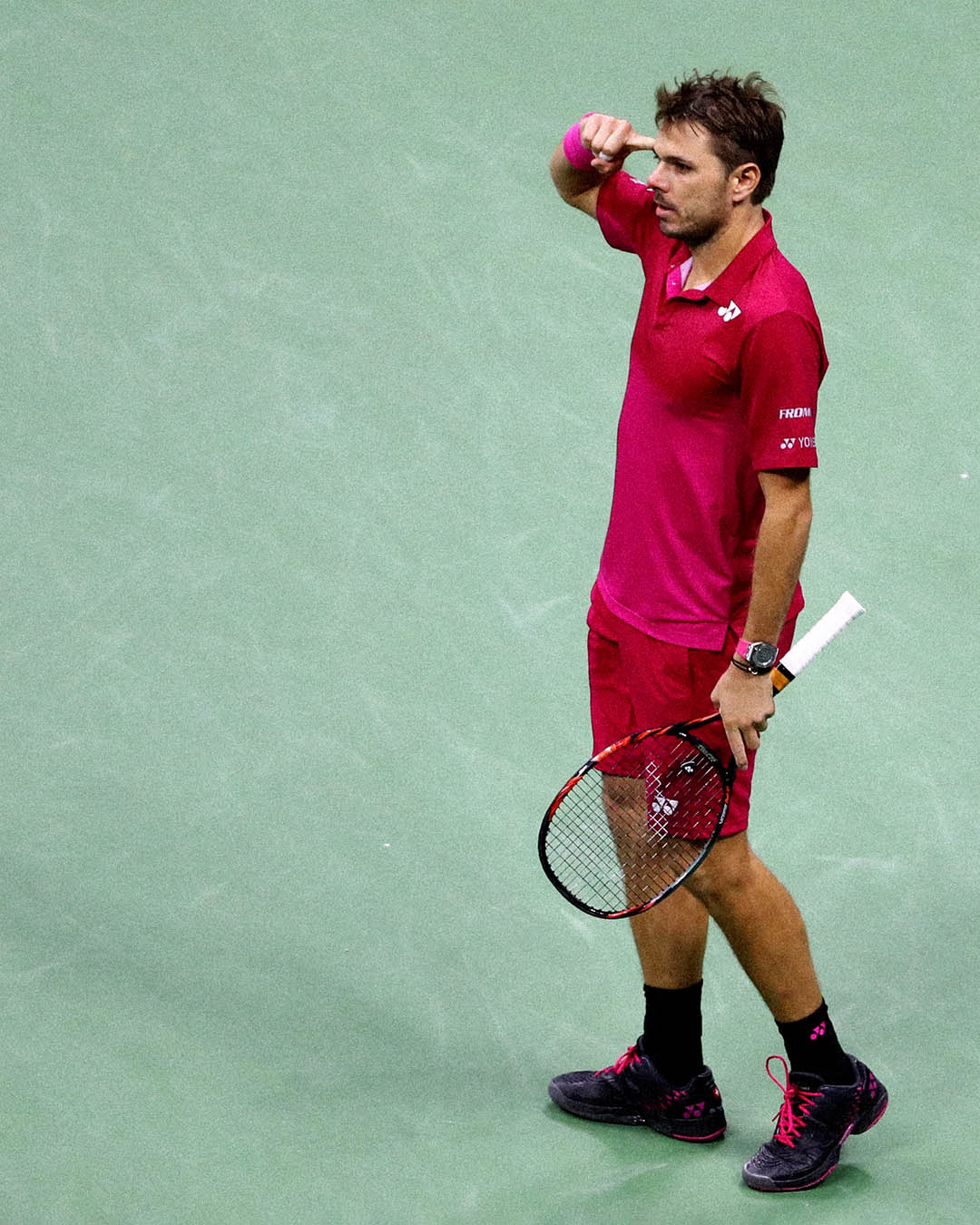
Stanimal instincts during the 2016 US Open final. // Getty
The wild card system is too goofy and corrupt as a whole for me to get too torn up about any particular decision. That said, I was half-tempted to join in on the call for justice over Stan Wawrinka’s snub heading into this year’s US Open. For the 41-year-old, who won this title exactly a decade ago and will retire at season’s end, this was the last possible Slam appearance to cap off a legendary career. This year he’d already played the other three: a wild card at the Australian Open, direct entry at Roland-Garros, and another wild card at Wimbledon. And he’d acquitted himself pretty well across all three appearances, advancing to the third round in Melbourne and playing a first-round thriller in London. Was he really going to be denied a farewell in New York, where he won the last of his three Slams and went 46–16 overall? The decision seemed puzzling.
On Saturday, the USTA announced that it was awarding its last main draw wild card into men’s singles to Patrick Kypson, the unsuspecting 26-year-old American getting caught in the crossfire. After the snub, Wawrinka posted a goodbye to New York, describing how the city used to overwhelm him, coming from “a small farming village in Switzerland,” but he grew to love it and felt “some of the strongest emotions of my career here.” Then on Wednesday, Kypson withdrew from the tournament, after qualifying had already started and before the draw had been set, freeing up the wild card to go to Wawrinka and quieting the backlash. With all due respect to Kypson and his undisclosed injury, we can all agree that this was a righteous outcome. Stan had to play this Open and complete the Slams this year. Wawrinka was, above all else, a Grand Slam player. Famously, his best-of-five record is 180–86 (or a 67 percent win rate), compared with his best-of-three tour-level record of 409–305 (or a 57 percent win rate). He was a player of rugged physicality, constructed for the long haul, and though he sometimes started a match shaky, the format gave him time to find his top level.
Sure, it wasn’t a level that he summoned consistently week to week, or sustained for all that many years, having been a late bloomer. And frankly, the sample might be confined to a handful of matches, which have taken on mythical status. But it does seem like peak Stan Wawrinka was about as high a level as we’ve seen in this century of men’s tennis. Purple-faced, lightly disheveled, bully ball off both wings. I’m talking infamous plaid shorts Stan, bulldozing his way through the 2015 Roland-Garros final in abbreviated pajamas, hitting so heavy that his one unsightly textile became synonymous with tennis divinity. It was apt that his final Roland-Garros kit this year paid homage to those shorts, running that same print along the placket of his shirt. Few championship performances will be remembered like that one.
At his best, Stan gave opponents no refuge. It was as if he heard his more famous contemporaries were perfecting “power baseline” and he decided to take those two words as literally as possible. At a time when one-handed backhands were already thinning out, and when its practitioners were often resorting to slice to cope with the incoming heavy ball, Wawrinka stayed slugging. He liked to chip a return, but everything else was getting sent back with pace, even those difficult above-the-shoulder balls that bothered his countryman Roger. And even balls in the deuce court that he liked to take inside out, as peak tennis nerd Chris Eubanks once pointed out in conversation with Andy Roddick. Inside-out one-handed backhand, as damaging as a forehand? I am certain we’ll never see another shot like it. Nobody could hit through the defense of Novak Djokovic like a redlining Stan, jabbing at his own temple. He saved much of his best tennis for Novak, including that US Open final exactly a decade ago, which Wawrinka arrived at so nervous that he cried just before the match—and still won in four. Now he gets one last shot in New York. In the first round he’ll get Matteo Berrettini, who defeated him in a four-tiebreak thriller at Wimbledon. If he makes it through that round, it’ll likely be Djokovic who retires him from the Slams forever.
PURE, ORIGINAL TENNIS — SIGN UP!
RECOMMENDED
The Long Rally
The Hobby