Ad Out
Ad Out
Book Review: The Open Era by Edward Schmit
Book Review: The Open Era by Edward Schmit
By Justin KirklandJul 7, 2026
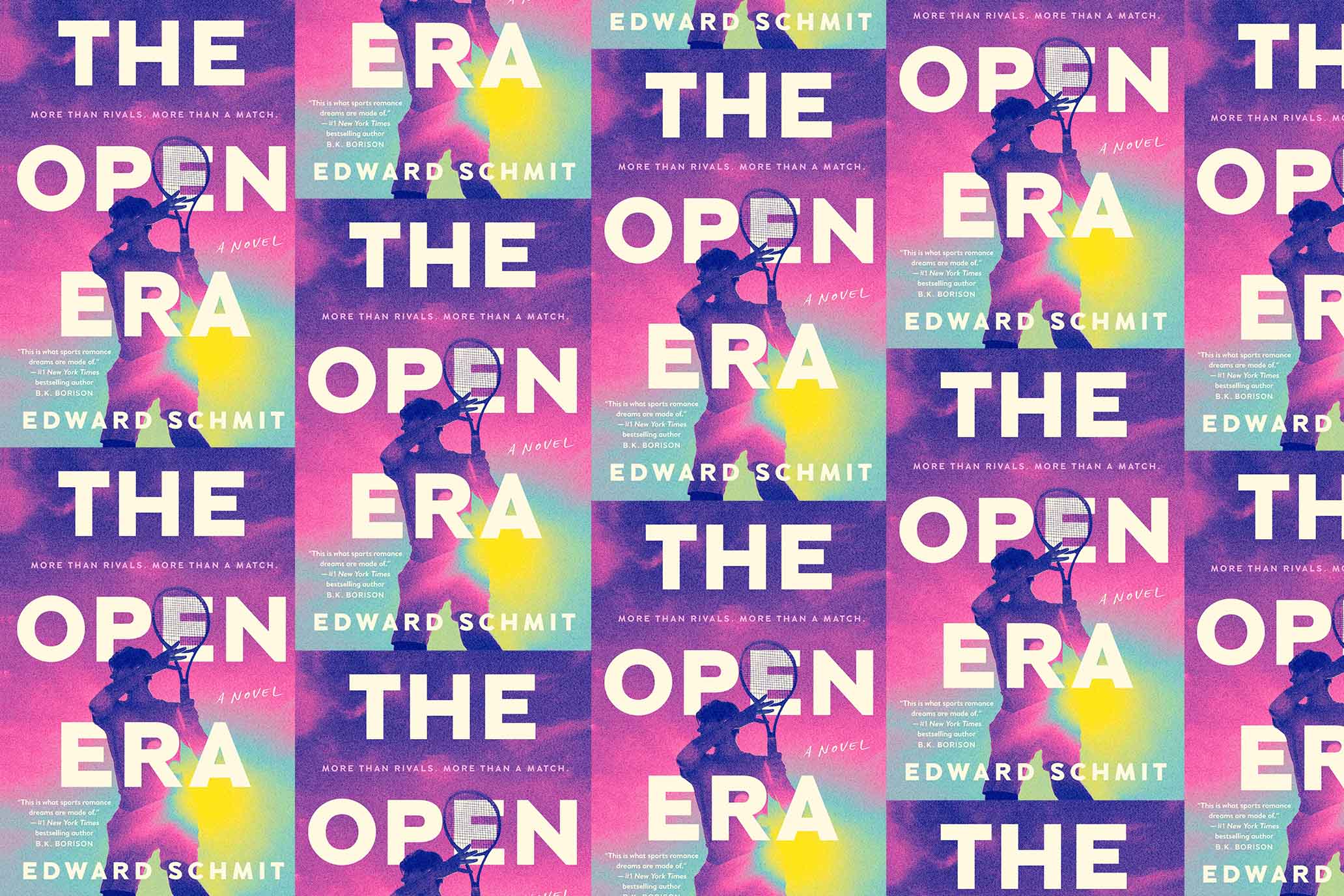
Courtesy of Berkeley/Penguin Random House.
Courtesy of Berkeley/Penguin Random House.
To say that sports-themed, men-loving-men (MM) novels are having a moment would be an understatement. Following the success of Rachel Reid’s Game Changers series that inspired Heated Rivalry, publishers and fans alike have been feral for the next great intersection of intimacy and athleticism. But as it turns out, two soccer balls and a pair of pushed-back thighs do not a novel make. Perhaps one of the biggest takeaways of the niche genre’s moment in the spotlight is that it actually takes quite the skillful hand to balance sport and sensuality.
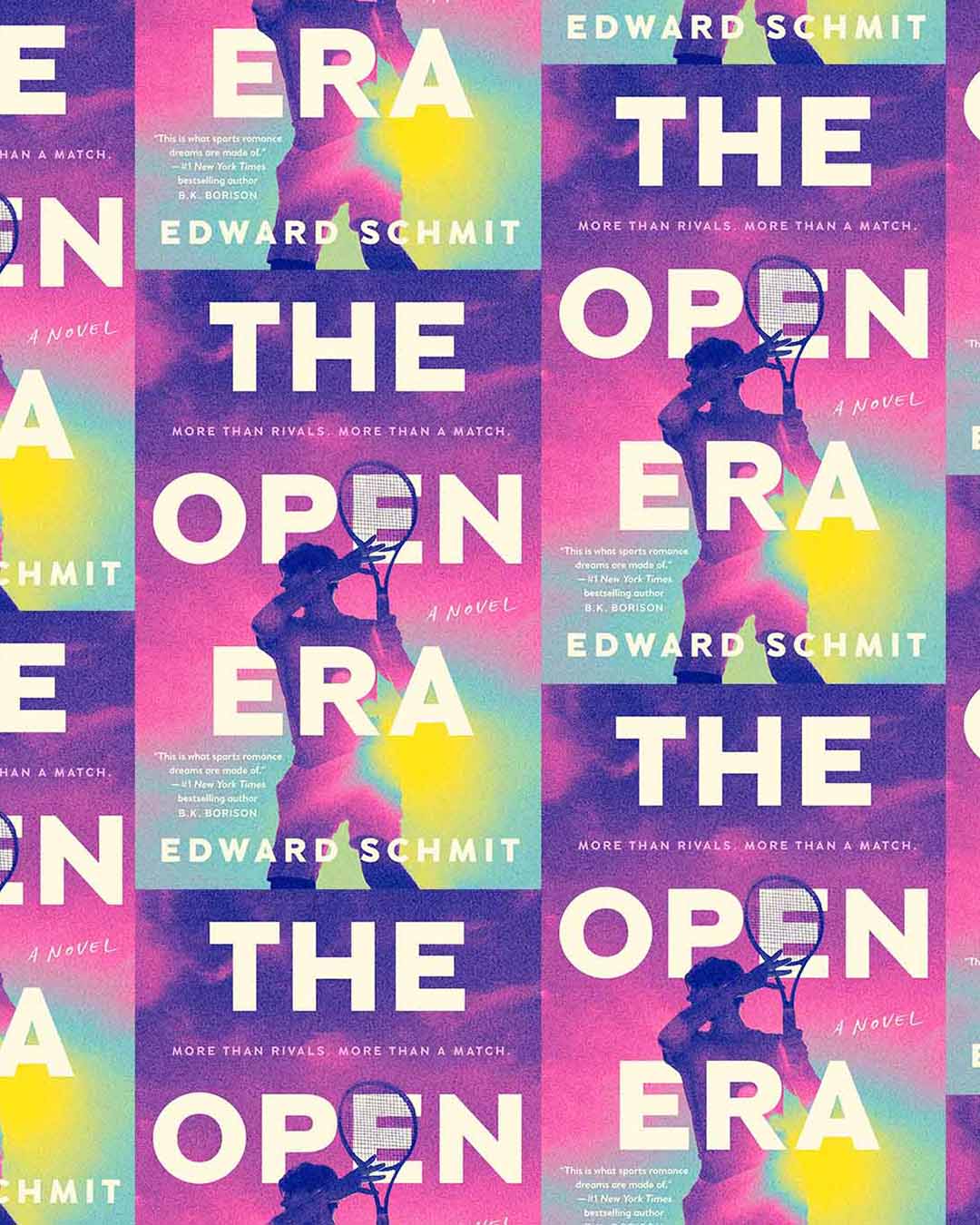
Edward Schmit takes a swing at giving tennis its big summer love story with the release of his debut novel, The Open Era, released June 2. Following up-and-coming tennis player Austin Hardy, the first chapter immediately drops readers into the heat of the US Open as Austin faces off against world No. 2 Diego Cruz, from Mexico. But by the end of chapter 1, it becomes clear that the pressures of the US Open are only one facet of the drama. Austin is at once the first openly gay male contender at the US Open and a qualifier on a hot streak, which makes him a viral sensation and a newly minted media darling, and, oh yeah—Diego kissed him two days before the match. Austin has a lot going on.
Far and away, what sets The Open Era apart from so many of its contemporaries is how evident it is that Schmit loves not just the sport of tennis but the culture. The vibes of the locker room, the pageantry of high-end sponsorships, the hot-and-cold relationship between players and the press; those small details are what immerse us in The Open Era, drawing a fascinating dichotomy between its two key players. We spend the majority of our time with Austin, admiring Diego, who seemingly has the tennis world around his finger. But on the other side, we get inklings of Diego, quietly longing to feel the same self-acceptance Austin does. That tension constantly vibrates below the surface.
Schmit approaches The Open Era as an “already out” story, as opposed to the “coming out” tales readers have come to expect. Austin isn’t someone who is reckoning with his sexuality so much as he’s navigating what it means for everyone else to reckon with it as his fame grows. There’s this adage in the queer community that you never stop coming out, and Austin’s story is no exception as he faces a maelstrom of curiosity about his sexuality and standing within the sport. And what sport offers a better backdrop for that struggle than tennis?
One of the most compelling aspects of The Open Era is seeing Austin navigate such a public moment (and Diego, a private one) in a notoriously lonely sport. Of all the novel’s ruminations on mental health, Schmit manages to capture this one particularly well. Tennis players have this quirky oddness about them—wunderkinds whose undeniable brilliance often comes at the price of normal teenage years. While other kids were experimenting and making mistakes, these two were practicing serves and shuffling from service line to baseline. Even Austin points out that tennis players largely spend their time with their teams or a small group of other players.
Schmit zeroes in on that experience, specifically when it comes to Diego. In one early scene, Diego sweetly leaves his Nintendo Switch behind in Austin’s room so the two of them can play Super Smash Bros. later. It’s a light touch that offers another perspective of his character—I mean, this is the world No. 2! One of the most dominant athletes in the world! And yet, the most intimate pieces of his character are revealed in these vulnerable, if not boyish, moments.
That said, much like Austin’s inaugural Slam, The Open Era isn’t without its occasional stumble. Schmit tries to juggle a lot, to varying degrees of success. The novel’s strongest moments are in its extremes, whether those are the nuanced, quiet moments between Austin and Diego or when the novel is firing at a breakneck pace, both on court and in the bedroom. But occasionally, those moments are undercut by a surge of emotion that feels added on for emphasis. There are times when Austin is mean to his team to the point of being cruel (not for naught, he’s also ranked deep in the 200s, so the lack of grace isn’t exactly endearing). He also has a specific love of the word “dick” when referring to Diego’s penis. In an attempt to underline an emotion, Schmit unknowingly crosses it out.
The Open Era, much like Austin, shows a lot of promise (which is good, because the novel is clearly angling for a series of its own. Maybe a competing love interest at the Aussie Open? A throuple for clay season?). Even with the small quibbles, Schmit closes out his first set in the genre with an imperfect, but decisive, win—not because the sex was impossibly hot or the tennis was elite, but because it’s clear that he’s a fan, writing about a sport that he loves. And frankly, if you’re not starting from that point, you shouldn’t be on the court to begin with.