Let the Winners Fly
Let the Winners Fly
Amanda Anisimova and Aryna Sabalenka prepare for a slugfest.
Amanda Anisimova and Aryna Sabalenka prepare for a slugfest.
By Giri Nathan
September 5, 2025
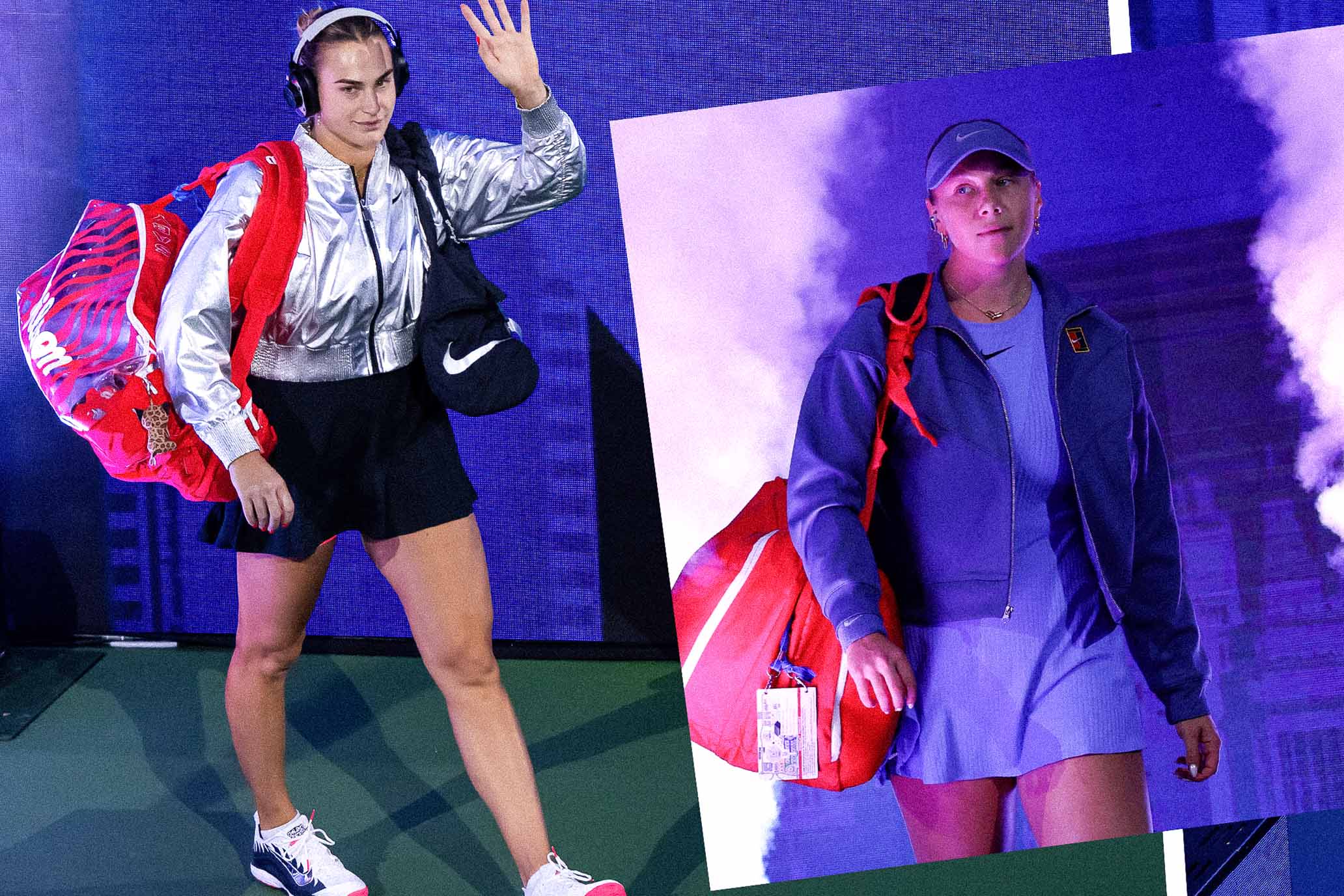
Amanda Anisimova and Aryna Sabalenka before their semi-final matches. // Getty
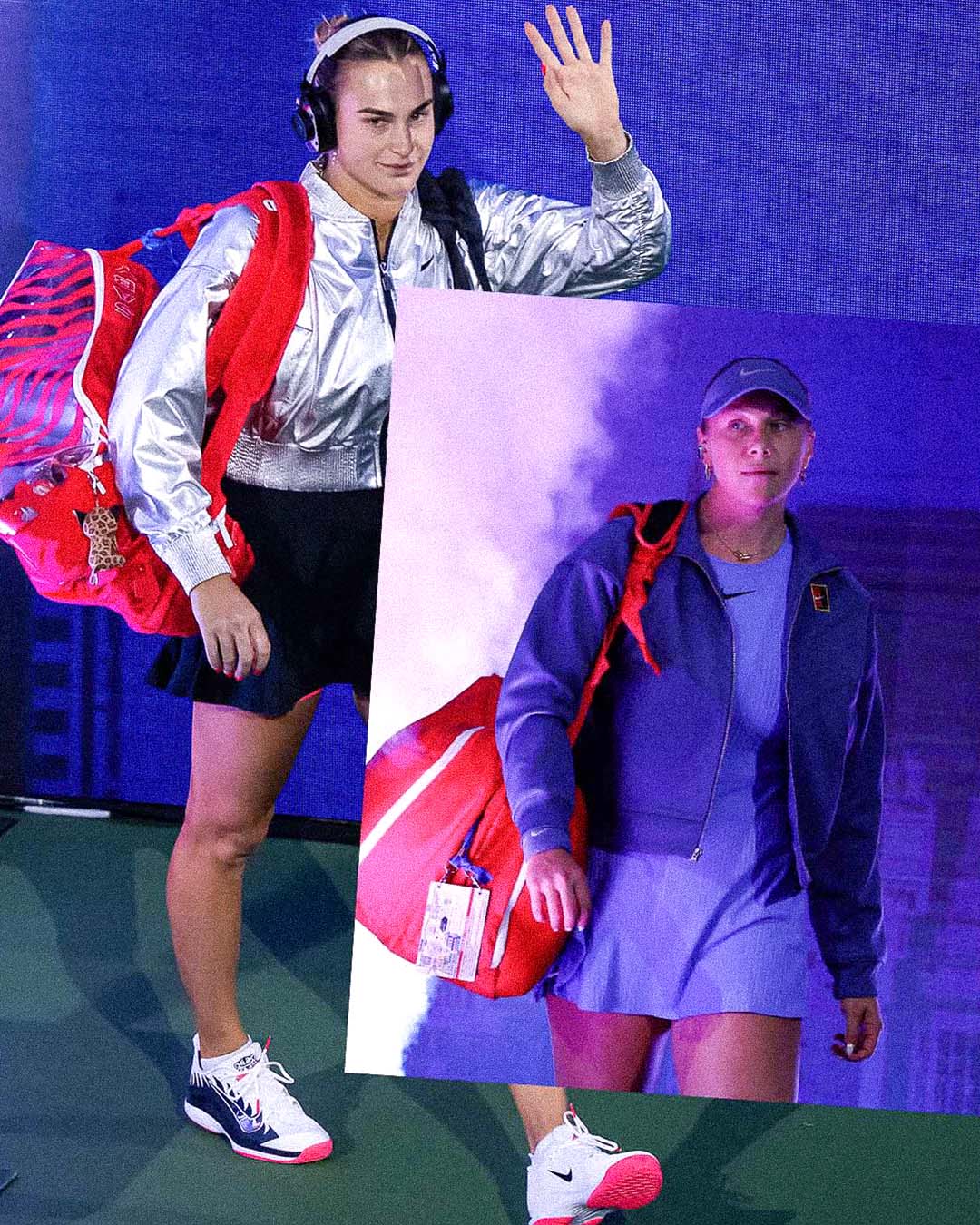
Amanda Anisimova and Aryna Sabalenka before their semi-final matches. // Getty
Quite often this semifinal Thursday is the best day of tennis that the US Open has to offer. And this one might have been the best of all Thursdays in recent memory. Two three-setters, both high-quality, and both a little nervy in the best ways.
After Aryna Sabalenka went down a set against Jessica Pegula, I began to wonder if she was on course to have the greatest Slamless season of all time. Top player in the world, deep runs at all four majors, and…none of the biggest titles to show for it? But she soon corrected her course. In truth this matchup always looks pretty comfortable for her. During a mid-match interview, Pegula’s coach, Mark Knowles, made a comment to the effect that Sabalenka appears to enjoy hitting the clean ball that comes off Pegula’s racquet.
I have always had that same impression, and it’s admittedly not so subtle a thing to pick up on, given the 7–2 head-to-head in Sabalenka’s favor heading into this match. She has the obvious advantage in offensive weaponry, and those flat, low, consistent shots from Pegula that perturb so many other opponents only seem to aid Sabalenka’s rhythm. Pegula barely put a foot wrong in the deciding set, in which she lost only four points on her serve, and somehow still lost the match—as she herself wryly observed, alongside a selfie with a post-loss Honey Deuce. There’s not all that much Pegula could have done differently in this matchup, and it must be frustrating, but to her credit, she made the defending champ work hard until the last ball, even as Sabalenka sweated through some flubbed match points.
Better still was the second match, a long shoot-out between Naomi Osaka and Amanda Anisimova. On paper this was a match for people who like to see the tennis ball get thoroughly mashed, and the reality was everything we’d been hoping for, plus some. Both players have the power to end points at a whim, and both seemed to grasp the nature of the matchup: Whoever first surrendered a sizable patch of open court was going to lose the point. This was not to be a match won in slow, grinding rallies. Second serves were feasted upon at all times. Sometimes so aggressively that, for long stretches of play, it looked as though the server was somehow at a disadvantage. One Osaka return came in so fast it toppled Anisimova onto her back; Anisimova, for her part, won a startling 66 percent of points when facing second serves.
The scoreboard was tight from start to finish—they split the first two sets in tiebreaks—and the pressure was inescapable. At one point, Anisimova bonked herself on the head quite hard with the racquet, and at others, Osaka chucked hers around the court. Anisimova loosened up in the match’s waning moments, though, reeling off those eerily pure backhands that are her singular stamp on the game, and she managed to serve out the match. This semifinal was the clearest sign that both players, who had stepped away from tennis for personal reasons, have completed their journeys back to the very top of the sport. Now the WTA has been blessed with some high-profile rivalries that we couldn’t have anticipated this time last year, or that we did not expect to ever be so relevant again. Saturday’s final is one of those: Anisimova versus Sabalenka, a rematch of their Wimbledon semifinal, and the epitome of first-strike tennis. Let a thousand winners fly.